

 Peržiūrėti realybėje
 Pasidalinti
 Dalintis
 Išsamiau

 Atsisiųsti
 Panašūs eksponatai
 Rentgeno nuotrauka
 Automatinė diorama
Boy with a Flute
 Acrylic On Canvas
- WallArt
- Baroque Portraiture
 1720
1720 42.0 x 33.0 cm
 Hermitage muziejus
 Skaityti daugiau
Rankų darbo aliejinės reprodukcijos
Rankiniu būdu tapytas aliejus ant droblio jūsų pageidaujamame dydį ir rėmuose – mūsų menininkų darbas pagal užsakymą. ( Pirkti spaudinį Pirkti vaizdą)




P118B $10

P118H $10

P118W $10

P438Z $10

P508JH $12

P508YH $12

P805H $10

P805Z $10

P919BZ $10

P919G $10

P919XJ $10

P959ZH $10

P968JZ $12

W106C $8

W218G $10

W218JH $8

W218Y $10

W307PJ $10

W316G $10

W316PJ $8

W316Y $10

W398PJ $8

W4111J $10

W500HY $15

W500JH $15

W692G $12

W849H $8

W940BG $15

W953PJ $8




Pasirinkite iš mūsų nustatytų dydžių, atitinkančių originalaus meno kūrinio proporcijas.

Galite įvesti savo matmenis, kad jie atitiktų konkretų rėmą ar erdvę. Jei pasirinktas dydis neatitinka originalaus paveikslėlio proporcijų, mes arba apkropsime meno kūrinį, arba papildysime tapybą rankomis dažytい elementais. Prieš pradėdami gamybą, jūsų patvirtinimui atsiųsime skaitmeninį maketą.
Atkreipkite dėmesį, kad ekrane rodomas vaizdas neatspindi tikrojo apkarpymo ar papildymo. Tik maketas tiksliai parodys galutinę kompoziciją.
Nors galima rinktis ir individualius dydžius, rekomenduojame pasirinkti matmenis iš nustatytos sąrašo, kad būtų išlaikytos originalios proporcijos.
Gavus užsakymą, OriginalUniqueArt.com komanda susisieks su klientu el. paštu dėl instrukcijų ir pateiks maketo pavyzdį.
Pristatymas visame pasaulyje () per 3–4 savaites, o ne įprastai – per 5 savaites. (29 rugpjūtis). Kokybė lieka nepakeičiama.

Nemokamas greitasis pristatymas visame pasaulyje

Aukštos kokybės lininis drobė

Pilnas siuntimo draudimas

Muitinės mokesčių grąžinimo garantija

Tikro spalvų atitikimo garantija

60 dienų grąžinimo politika (tik esant gamyklinėms defektams)

100% pinigų grąžinimo garantija

Nuolaida už kelias reprodukcijas
 Stiklo variantas prieinamas tik pasirinkus dydį iki 110 cm

Boy with a Flute
Reprodukcijos technika
Reprodukcijos matmenys
-


Galutinė kaina
$ 300
Benedetto Luti’s “Boy with a Flute”: A Masterpiece of Pastel Elegance
The Florentine artist Benedetto Luti (1666–1724) stands as an extraordinary figure in Baroque art, particularly renowned for his pioneering use of pastel—a technique that would profoundly influence subsequent generations of painters. While biographical details remain somewhat sparse, Luti’s artistic journey was undeniably shaped by the vibrant cultural landscape of Florence, where he absorbed the legacy of Renaissance grandeur and embraced burgeoning creative impulses. His relocation to Rome marked a pivotal moment in his career, propelling him into the epicenter of Baroque innovation and establishing him as an artist celebrated not merely for technical prowess but for audacious experimentation—a willingness to transcend established conventions and explore uncharted artistic territories.A Portrait Steeped in Symbolism
“Boy with a Flute,” painted circa 1720, exemplifies Luti’s distinctive approach to portraiture. Unlike the opulent grandeur often associated with Baroque commissions, this piece exudes understated elegance—a hallmark of Luti's stylistic signature. The subject is depicted in meticulous detail: a young boy seated against a muted wall backdrop, holding a flute poised delicately near his mouth. This seemingly simple composition belies a wealth of symbolic significance. The flute itself represents musical artistry and intellectual contemplation—themes frequently explored by Baroque artists as expressions of humanist ideals. Furthermore, the boy’s gaze directly engages the viewer, fostering a sense of intimacy and inviting reflection on themes of youthfulness, innocence, and aspiration.Technique: Pastel – A Revolutionary Medium
Luti's brilliance lay not only in his compositional vision but also in his masterful manipulation of pastel—a medium he championed as a final artistic finish. Prior to Luti’s breakthrough, artists predominantly utilized oil paints for portraiture, resulting in canvases characterized by rich textures and vibrant hues. Pastel offered an entirely different aesthetic experience—one defined by luminosity, softness, and ethereal delicacy. By applying pigment mixed with chalk or powdered pastel onto prepared paper, Luti achieved unparalleled tonal subtlety and nuanced color gradations that surpassed the capabilities of oil paint. This innovative technique allowed for a captivating illusion of depth and luminescence, capturing fleeting expressions of emotion with remarkable precision.Historical Context: The Rococo’s Delicate Influence
“Boy with a Flute” emerged during the transitional period between Baroque and Rococo styles—a moment when artistic sensibilities were shifting toward greater refinement and ornamentation. While Luti firmly rooted his work in Baroque principles, he undeniably absorbed influences from the burgeoning Rococo movement, which favored pastel hues, asymmetrical compositions, and playful decorative motifs. This fusion of stylistic elements underscores Luti’s artistic adaptability and demonstrates his ability to synthesize disparate traditions into a cohesive visual language—a testament to his enduring legacy as an innovator who reshaped the contours of European art history.Emotional Resonance: Capturing Transient Beauty
Ultimately, “Boy with a Flute” transcends mere representation; it embodies Luti’s profound understanding of human psychology and his capacity to evoke emotional resonance within the viewer. The painting's muted palette—dominated by shades of blue and white—creates an atmosphere of serenity and contemplation—reflecting the boy’s serene demeanor and conveying a sense of timeless beauty. Through meticulous attention to detail and masterful tonal control, Luti captures not only the physical appearance of his subject but also his inner spirit—a feat accomplished with remarkable sensitivity and artistic conviction. This enduring masterpiece continues to inspire admiration for its elegance, subtlety, and profound emotional impact.- Artist: Benedetto Luti
- Year: 1720
- Medium: Pastel on Paper
- Location: Hermitage Museum
- Boy with a Flute by LUTI, Benedetto – Web Gallery of Art
- Benedetto Luti – Artists Database
- Boy with a Flute – Artworks Database
- File:Boy with the flute Benedetto Luti (1720).jpg – Wikimedia Commons
Susiję straipsniai

Baroko Šedevrai: 10 Menų Simbolių, Apibūdinusių Epoką | OriginalUniqueArt
Atraskite 10 baroko šedevrų, kurie apibrėžė epoką! Karolis Rubenzas, Berninis ir kiti meistrai – jų kūriniai, istorijos bei spalvos. Aukščiausios kokybės dailės reprodukcijos ir interjero įkvėpimas OriginalUniqueArt.com. Išnagrinėkite visą kolekciją internete!

Baroko Dramatizmas: Elegancijos ir Emocijų Įnešimas į Šiuolaikinius Interjerus
Atraskite baroko dramatiškumą! Meno konsultacijos, rankų darbo reprodukcijos ir patarimai, kaip įnešti eleganciją bei emocijas į jūsų interjerą su OriginalUniqueArt.com. Kokybė garantuota!
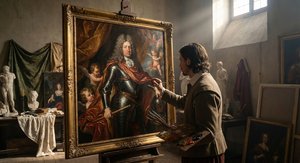
The Grandeur of Baroque Portraiture: Power, Emotion & Artistic Innovation
Explore the grandeur of Baroque portraiture! Discover Rubens, Van Dyck & the masters of 17th-century art. Uncover symbolism, techniques & lasting influence. Expert insights for collectors and enthusiasts.

Baroque Classicism: The Grandeur of Order and Drama in 17th-Century Art History
Explore the profound elegance of Baroque Classicism. Discover how 17th-century masters synthesized dramatic emotion with classical order through the lens of the Counter-Reformation and the works of legends like Carlo Maratta and Andrea Sacchi.

The Subtleties of Pastel: A Comprehensive Exploration of Technique, History & Emotional Resonance
Explore the captivating world of pastel art! Discover its rich history, Impressionistic masters like Degas, emotional power & unique techniques. Find museum-quality reproductions at OriginalUniqueArt.


.jpg)