
 Pasidalinti
 Dalintis
 Išsamiau
 Vadovas

 Atsisiųsti
 Panašūs eksponatai
 Automatinė diorama
 问答
问答 Statistika
Torso


 Skaityti daugiau
Šiame puslapyje rodomas meno kūrinys yra saugomas autorių teisių įstatymais, todėl neturime teisės legaliai kurti ar parduoti jo identiškos reprodukcijos. Ši apsauga užtikrinama remiantis tokiais tarptautiniais susitarimais kaip Bernės konvencija ir pagal nacionalines įstatymų nuostatas, įskaitant tas, kurias nurodo JAV autoriškos teisės įstatymas – 17-asis skyrius.
Šis metodas visiškai atitinka autorių teises, nes jame nėra saugomo kūrinio kopijavimo ar dubliavimo. Tai yra kūrybinė reinterpretacija – naujas paveikslas, kurį įkvėpė originalas, tačiau kuris nėra jo identiškas.
Giclée / Meno spausdinimas
Muziejų lygio „giclée“ arba drobos spausdinimas: greita gamyba ir lankstios apdailos parinktys. ( Pirkti rankų darbo tapybą Perejti prie skaitmeninių vaizdų)




































Pasirinkite iš mūsų nustatytų dydžių, atitinkančių originalaus meno kūrinio proporcijas.

Įveskite jums reikiamą plotį ir aukštį, kad atvaizdas derėtų prie jūsų rėmo ar sienos. Spausdiną galima tik sumažinti, bet nepadidinti virš originalaus paveikslėlio dydžio, todėl keičiant proporcijas, dalis vaizdo prarandama. Prieš spausdinimą atsiųsime jums skaitmeninį maketą patvirtinimui. Šioje puslapio nuotraukoje matomas pjūvis nėra tikslus – jį rodo tik maketas.
Pristatymas visame pasaulyje () per 2 weeks, o ne įprastas 4/5 savaičių laikotarpis. (8 lapkritis)

Nemokamas greitasis pristatymas visame pasaulyje

Aukštos kokybės lininis drobė

Pilnas siuntimo draudimas

Muitinės mokesčių grąžinimo garantija

Tikro spalvų atitikimo garantija

100 dienų grąžinimo politika (tik esant įtaigoms)

100% pinigų grąžinimo garantija

Nuolaida dideliems užsakymams
 Stiklo variantas prieinamas tik pasirinkus dydį iki 110 cm

Torso
Giclée / Meno spausdinimas
Reprodukcijos matmenys
-


Bendroji kaina
€ 72
A Sculptural Embrace: Barbara Hepworth’s ‘Torso’
Barbara Hepworth's “Torso,” created in 1928, isn’t merely a depiction of the human form; it’s an embodiment of movement and quiet contemplation. This remarkable sculpture, rendered in the rich, dark tones of mahogany wood, immediately draws the viewer into its world – a world where form and space intertwine with a profound sense of stillness. Hepworth, a pivotal figure in the development of modern sculpture, masterfully eschews traditional representation, opting instead to capture an essence, a feeling, rather than a literal likeness. The piece speaks volumes about her pioneering approach to abstraction, prioritizing the inherent qualities of materials and the interplay between positive and negative space.
The Language of Form: Technique and Material
Hepworth’s technique is characterized by subtractive carving – a painstaking process of carefully removing material from a solid block of wood to reveal the desired shape. This method, demanding immense skill and patience, allows her to coax forth organic forms that seem to grow naturally from the raw material. Notice the subtle variations in texture across the surface; these aren’t simply cosmetic details but rather evidence of the sculptor's hand, each ridge and curve a testament to the physical act of creation. The choice of mahogany is particularly significant. Its deep, resonant color provides a dramatic backdrop for the sculpted form, while its grain adds layers of visual complexity – hints of light and shadow that dance across the surface. The smooth, polished finish further enhances the tactile quality of the piece, inviting viewers to imagine running their hands along its contours.
Roots in Modernism: Context and Influences
“Torso” emerged during a period of intense artistic experimentation and a rejection of academic traditions. Hepworth was deeply influenced by movements like Abstraction-Création, which sought to explore the fundamental qualities of form and material. Her work reflects this spirit of innovation, moving away from representational art towards a more conceptual approach. The sculpture’s emphasis on geometric shapes and its exploration of negative space align with the broader trends of early 20th-century modernism, where artists were increasingly interested in reducing forms to their essential elements. Hepworth's time spent studying Italian Renaissance sculpture also informed her work, particularly her understanding of classical anatomy, which she then reinterpreted through a distinctly modernist lens.
A Study in Quietude: Symbolism and Emotional Resonance
While “Torso” avoids overt symbolism, it possesses a powerful emotional resonance. The pose itself – a relaxed yet alert stance – suggests a state of contemplative awareness. The smooth curves and flowing lines evoke a sense of grace and fluidity, while the solidity of the wood grounds the form in the physical world. There’s an inherent vulnerability in the exposed torso, inviting viewers to contemplate themes of beauty, strength, and mortality. It's not a celebration of physicality but rather an exploration of the human condition – a quiet meditation on the essence of being. The sculpture’s timeless quality speaks to its ability to connect with viewers across generations, offering a moment of stillness in our increasingly frenetic world.
Reproductions and Display
A high-quality reproduction of “Torso” can bring the spirit of this iconic work into any space. Consider framing it within a simple, elegant setting to allow the sculpture’s form and texture to take center stage. The rich tones of the wood will complement a wide range of interior design styles, from minimalist modern to classic contemporary. When selecting a reproduction, prioritize materials that accurately capture the depth and nuance of Hepworth's original work – archival-quality prints on textured paper are ideal for achieving a truly authentic effect.
Klausimai ir atsakymai
Kiek harmoningai dera „Torso“ – Barbara Hepworth spalvos?
„Torso“ spalvų harmonija yra apibūdinama kaip Strong Color Unity.
Kokia „Torso“ – Barbara Hepworth emocinė nuotaika?
„Torso“ – Barbara Hepworth perteikia Reflective emocinę nuotaiką.
Kaip galiu įsigyti „Torso“ – Barbara Hepworth spausdinį?
„Torso“ galima įsigyti kaip aukščiausios kokybės spausdinys ant medžio siuvinėjamų audinių arba archyvinio kanvas tipo popieriaus. Užsakymus galite pateikti Kūrinio spausdinimas aukščiausia kokybe puslapyje, pasirinkdami jūsų pageidaujamą dydį.
Autoriaus biografija
ankstyvasis gyvenimas ir išsilavinimas
dame barbara hepworth, žinomą anglų menininko ir skulptūrinės formos meistrinė, gimė 1903 m. sausio 10 d. Wakefield, Yorkshire. Savo meninę kelią pradėjo studijuodama Leedso dailės mokykloje nuo 1920 m., o vėliau, laimėjęs apylios stipendiją, nuo 1921 m. iki diplomui įgauti 1924 m. studijavo Londone, prestižiniame Karališkajame meno kolegyje (RCA).meninė karjera
- dame barbara hepworth kūryba yra modernizmo, o ypač šiuolaikinės skulptūros pavyzdys. ji buvo viena iš retų moteriškų menininkių, pasiekusi tarptautinę pradinę svarbą.
- 1933 m. kartu su ben nicholson, paul nash ir kitais, ji bendrakūrė „Unit One“ meno judėjimą, siekdama Britanijos mene sujungti surrealizmą ir abstraktumą.
- hepworth ankstyvųjų darbų savybė buvo abstraktumas bei jos dalyvavimas Paryzuje veikiančiame meno judėjime „Abstraction-Création“.
pastebimiausi darbai ir parodos
- oval form (trezion), bronzinė skulptūra, yra Kimbell meno muziejaus kolekcijoje Fort Worth, JAV. (matyti OriginalUniqueArt)
- two forms, skulptūra, rodoma The Hepworth Wakefield muziejuje, Wakefield, Jungtinėje Karalystėje. (matyti OriginalUniqueArt)
- totem, marmurinė skulptūra, taip pat yra „The Hepworth Wakefield“ kolekcijos dalis. (matyti OriginalUniqueArt)
paliktis ir muziejų kolekcijos
barbara hepworth kūryba yra plačiai pripažinta, o jos skulptūros bei tapybos darbai sudaro įvairių pasaulio muziejų kolekcijų dalį. The Hepworth Wakefield, pavadintas menininko vardu, saugo daugybę meistriškų kūrybinės vertės pabrėžiančių šedevrų, įskaitant ir pačios hepworth darbus. (sužinokite daugiau apie The Hepworth Wakefield OriginalUniqueArt svetainėje)išvados
dame barbara hepworth novatoriškas darbas moderniojoje britų skulptūroje paliko neištriniamą žymą meno pasaulyje. jos paliktis ir toliau įkvepia tiek menininkus, tiek meno entuziastus, o jos kūriniai išlieka įrodymu apie jos kūrybinę dvasią ir meninę genijų. daugiau apie barbara hepworth wikipedia
Barbara Hepworth
1903 - 1975 , Jungtinė Karalystė
Trumpa informacija
- Artinis Stilius Ar Kryptis: Modernizmas, Abstrakcija
- Gimimo Data: 1903-01-10
- Gimimo Vieta: Wakefield, JK
- Menininkai, Paveikę Šį Meno Kūriją:
- Henry Moore
- Ben Nicholson
- Mirties Data: 1975-05-20
- Tautybė: Britų
- Vardas Ir Pavardė: Barbara Hepworth
- Šio Meno Kūrėjo Paveikti Buvę Menininkai Ar Kryptys:
- Abstraction-Création
- Unit One
- Žinomos Kūriniai:
- Oval Form (Trezion)
- Two Forms
- Totem
Susiję straipsniai

The Enduring Form: Exploring Themes & Techniques in Sculpture Across Historical Periods
Explore the rich history of sculpture from ancient masterpieces to contemporary innovations. Discover key techniques, influential artists & investment potential for discerning art collectors.

Bronze Sculptures That Defined Art History | OriginalUniqueArt
Journey through art history with our Top 10 bronze sculptures! Explore masterpieces by Rodin, Michelangelo & more. Discover stories behind iconic statues and find museum-quality reproductions for your home decor at OriginalUniqueArt.com.

The Enduring Form: Sculpture Across History, Technique & Emotional Resonance
Explore the rich history of sculpture with OriginalUniqueArt. Discover key techniques, influential artists & investment potential for discerning collectors. Expert insights into valuing and collecting timeless masterpieces.

Bronze Age to Modern Masters: 10 Sculptures That Redefined Art | OriginalUniqueArt
Journey through art history with 10 legendary bronze sculptures – from Michelangelo's David to Rodin’s Thinker. Explore the stories, techniques & timeless beauty of these masterpieces. Find museum-quality reproductions & elevate your home decor on OriginalUniqueArt.com.
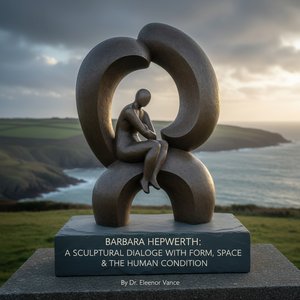
Barbara Hepworth: A Sculptural Dialogue with Form, Space & the Human Condition
Explore the profound world of Barbara Hepworth's sculpture. Discover her artistic evolution, iconic forms, and lasting influence on modern art. A guide for collectors & enthusiasts.


