Abstraction-Création Surrealism · 1962
Prototype for (Barbara Hepworth, 1962)
Barbara Hepworth (1903–1975) sukūrė Prototype for . Šis kūrinys datuojamas 1962 m. Šis kūrinys priklaulo Abstraction-Création Surrealism kieruliui. Pagaminta naudojant Sculpture Bronze. Eksponatas saugomas The Hepworth Wakefield Wakefield, Jungtinė Karalystė.
- 1962
- Sculpture Bronze
- The Hepworth Wakefield

 Rankinio darbo aliejinės imitacijos paveikslas
 Pasidalinti
 Dalintis
 Informacinė l lapelė


 Atsisiųsti
 Panašūs eksponatai
 Automatinė diorama
 问答

 Statistika
Prototype for , trumpai
- Pavadinimas
- Prototype for
- Autorius
- Barbara Hepworth (1903–1975)
- Dizainere/is gimęs
- Wakefield, Jungtinė Karalystė
- Data
- 1962
- Mediumas
- Sculpture Bronze
- Kur galima pamatyti
- The Hepworth Wakefield, Wakefield, Jungtinė Karalystė
- Judėjimas
- Abstraction-Création Surrealism
- Tema
- sculpture, abstraction, organic form, british art, modernism, geometric holes
Ką vaizduoja Prototype for ?
A Pioneer's Vision: Examining Barbara Hepworth’s Prototype for ‘Winged Figure’
Barbara Hepworth (1903–1975), a transformative figure in British sculpture and art history, stands as an emblem of modernist innovation. Born in Wakefield, Yorkshire, her journey began with formative studies at Leeds School of Art before culminating in a prestigious scholarship to the Royal College of Art, where she honed her craft alongside contemporaries like Ben Nicholson and Paul Nash – artists united by a fervent desire to forge a new path for British art amidst the burgeoning Surrealist movement. Hepworth’s artistic trajectory wasn't merely about replicating reality; it was about distilling emotion and concept into tangible form, prioritizing abstraction as a vehicle for conveying profound ideas.The Birth of Form: Conceptual Sculpture and Early Experimentation
Hepworth’s groundbreaking approach to sculpture emerged from the Unit One Art Movement she co-founded in 1933. This collective sought to synthesize Surrealist principles with abstract expressionism, rejecting representational art altogether in favor of exploring the subconscious and conveying inner states through geometric shapes and textures. The “Prototype for ‘Winged Figure’” exemplifies this ethos perfectly—a testament to Hepworth’s unwavering commitment to conceptual exploration before translating it into physical sculpture. Created between 1961 and 1962, this piece represents a crucial step in Hepworth's artistic evolution, demonstrating her meticulous process of refining ideas through preliminary models.Technique and Materiality: Exploring Texture and Negative Space
Hepworth’s distinctive technique involved carving wood – primarily elm – using pneumatic chisels to create hollow forms that emphasized negative space as much as positive mass. This method allowed her to sculpt shapes that seemed to defy gravity, capturing the essence of movement and dynamism while simultaneously conveying a sense of stillness and contemplation. The resulting sculptures possessed an extraordinary tactile quality—smooth surfaces juxtaposed with rough-hewn textures—creating visual and sensory experiences that resonated deeply with viewers. Examining the “Prototype” reveals the precision required to achieve this remarkable effect, highlighting Hepworth’s mastery of material manipulation.Symbolism and Emotion: Representing Flight and Spiritual Resonance
The "Winged Figure" sculpture isn't merely an aesthetically pleasing form; it carries significant symbolic weight. Hepworth herself described her work as “a way of trying to express the feeling of being alive,” reflecting a broader preoccupation with capturing the spiritual dimension of existence within abstract art. The wing-like protrusions—characteristic of Hepworth’s oeuvre—suggest upward movement, aspiration, and liberation from earthly constraints. Moreover, the hollow interior embodies emptiness and openness, inviting contemplation on themes of transcendence and inner harmony. This piece speaks to an enduring fascination with exploring profound emotional truths through visual language.Legacy and Influence: Shaping Modern Sculpture
Barbara Hepworth’s influence extends far beyond her own lifetime, shaping the course of modern sculpture and inspiring generations of artists. Her pioneering exploration of abstraction—coupled with her unwavering dedication to conceptual rigor—established a paradigm for sculptural practice in the mid-20th century. The “Prototype for ‘Winged Figure’” stands as an enduring reminder of Hepworth’s visionary spirit and her profound contribution to artistic innovation, securing her place among the most celebrated sculptors of her era. Its continued presence within collections like The Hepworth Wakefield ensures that Hepworth's groundbreaking aesthetic continues to captivate audiences worldwide.Kuriame muziejuje eksponuojamas karya Prototype for ?
The Hepworth Wakefield
Wakefield, Jungtinė Karalystė
The Hepworth Wakefield: Skulptūros ir šviesos šventovė Įsikūręs pietinėje Calder upės pakrantėje, Wakefield, Vakarų Yorkshire, „The Hepworth Wakefield“ yra daugiau nei tiesiog galerija; tai architektūrinė išraiška ir įžanga į Barbaros Hepworth palikimą – britų modernizmo šviesos šventė, kuri iki šiol nepraryja savo įkvėpimo jėgų. 2011 m., po David Chipperfield Architects kūrybos, šis pastatas tapo savo pavadinimo įžymos atspindžiu: paprastumu, elegancija ir giliu ryšiu su aplinkine gamta. Architektūrinis stebinys: David Chipperfield zaprobuoti dešimties trapezo formos blokų galerija yra apgaubta pigmentuotu betonu – tai revoliucinis medžiagos pasirinkimas, kuris vienu metu atspindi pramoninį Wakefield paveldą ir puoselėja stilingą modernų estetiką.


Prototype for dididraudžios kokybės vaizdai

Protected by copyright: these files are for personal reference, not a licence to republish.
Barbara Hepworth, Prototype for (1962), The Hepworth Wakefield.
Atsakimai į klausimus apie Prototype for
Kur galima pamatyti „Prototype for“ – Barbara Hepworth originalą?
Kūrinys „Prototype for“ – Barbara Hepworth rodomas The Hepworth Wakefield, Wakefield, Jungtinė Karalystė. Muziejaus informacija nuoroda į originalą, o ne į reprodukciją.
Kuriem metais buvo sukurta „Prototype for“ – Barbara Hepworth?
„Prototype for“ – Barbara Hepworth sukurtas 1962 m.
Kokia technika sukurta „Prototype for“ – Barbara Hepworth?
Barbara Hepworth kūriniui „Prototype for“ panaudojo Sculpture Bronze techniką. Ši technika apibrėžė originalaus kūrinio medžiaginę prigimtį.
Kokios temos atsispindi kūrynioje „Prototype for“ – Barbara Hepworth?
„Prototype for“ – Barbara Hepworth temos apima sculpture, abstraction, organic form, british art, modernism, geometric holes, hepworth. Kartu jie apibendrina šio kūrinio tematiką.
Ar „Prototype for“ yra viešosios teisės kūrinys?
Kalbant apie autorišką teisę, „Prototype for“ yra vis dar saugoma autorineje teisėje.
Kas sukūrė „Prototype for“?
„Prototype for“ priskiriamas Barbara Hepworth.
Kokio meno kryžmės dalis yra „Prototype for“ – Barbara Hepworth?
„Prototype for“ – Barbara Hepworth priklauso Abstraction-Création Surrealism stiliui. Ši dailės kryptis suteikia kūriniui stilistinį kontekstą.
Kokio Barbara Hepworth kūrybos laikotarpio priklauso „Prototype for“?
Barbara Hepworth kūrybos enceklopedijoje kūrinys „Prototype for“ priskiriamas Mature Period laikotarpiui. Šis etapas leidžia palyginti jį su kitais šio autoriaus kūriniais.
Kokia buvo Barbara Hepworth amžius sukuriant „Prototype for“?
Kai 1962 m. buvo sukurta „Prototype for“, Barbara Hepworth – gimęs 1903 m. – buvo 59 metų amžiaus.
Apie šį menininką, Barbara Hepworth

1903–1975, Jungtinė Karalystė
Barbara Hepworth
Early Life, Family and Training Barbara Hepworth was born on 10 January 1903 in Wakefield, West Riding of Yorkshire, England. She was the eldest child of Gertrude and Herbert Hepworth. Her father worked as a civil engineer for the West Riding County Council, a background that provided a practical, structural foundation to her upbringing. This early environment in Yorkshire shaped the spatial awareness that would later define her approach to three-dimensional form.
Taip pat Barbara Hepworth darbai
 Barbara Hepworth with the plaster of Figure for Landscape and a bronze cast of Figure (Archaean), November 1964.1964
 Spring (Arts Council Collection)1966
 Hollow Form with White Interior1963
 Prototype for Mrs A.R.T. Richards (Quita)1924
Esdai apie Prototype for
 Geometrinės Abstrakcijos Šedevrai: 10 Kūrinių, Pakeitusių Meną | OriginalUniqueArt.comAtraskite 10 geometrinės abstrakcijos šedevrų – nuo Mondriano iki Malevičiaus! Sužinokite apie Piet Mondrian, Kazimir Malevič ir kitus meni…
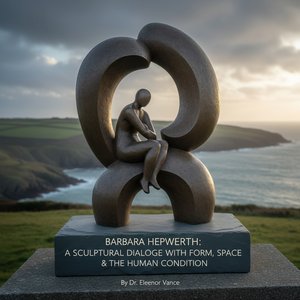 Barbara Hepworth: A Sculptural Dialogue with Form, Space & the Human ConditionExplore the profound world of Barbara Hepworth's sculpture. Discover her artistic evolution, iconic forms, and lasting influence on modern …
 Geometry with Purpose: Distinguishing Suprematism from ConstructivismMaster the differences between Suprematism and Constructivism with our expert guide. Discover the soul of the Russian avant-garde now.