

 Peržiūrėti realybėje
 Pasidalinti
 Dalintis
 Išsamiau

 Atsisiųsti
 Panašūs eksponatai
 Rentgeno nuotrauka
 Automatinė diorama
Eagle with Snake
 Southwestern Native American Art
 1930
1930 29.0 x 36.0 cm
 Skaityti daugiau
Įsigykite aukštos skiriamosios raiškos, patobulintą skaitmeninį vaizdą, gerokai pranašesnį už internetinę peržiūrą.
Kiekvieną failą mūsų specialistai kruopščiai paruošia naudojant pažangias technologijas ir profesionalų rankinį retušavimą. Užtikriname, kad kiekvienas vaizdas pasižymėtų išskirtiniu aiškumu, tikslia spalvų atspalviu ir smulkiomis detalėmis.
Baigiamas failas el. paštu pristatomas per 72 valandas; jis optimizuotas nedelsiant naudojimui profesionalioje, redakcinėje ir spausdinimo aplinkoje. Tai ta pati kokybė, kuria pasitiki aukščiausios klasės dizaino studijos, leidyklos ir galerijos.
Skaitmeninis vaizdas
Atsisiųskite didelės raiškos failą asmeniniam naudojimui, spausdinimui ir kūrybiniams projektams. ( Pirkti spaudinį Pirkti rankomis tapytą paveikslą)
Kiekvieną skaitinio vaizdo užsakymą papildė
Profesionalus skaitmeninis pristatymas, garantuotas
Pasirinkę OriginalUniqueArt.com, jūs ne tik gaunate paveikslėlį – jūs gaunate profesionaliai patobudintą skaitmeninį kūrinį, sukurtą itin tikniai ir užtikrinantį pasitenkinimą. Štai viską, kas automatiškai pritékia jūsų užsakymui:

Greitas siuntimas el. paštu
Jūsų aukštos raiškos skaitmeninis vaizdo failas bus išsiųstas jums el. paštu per 72 valaudas nuo užsakymo – paruoštas naudojimui be jokių papildomų veiksmų.

Skaitmeninis failas su dirbtiniu intelektu
Jūsų meno kūrinys profesionaliai optimizuojamas naudojant pažangius dirbtinio intelekto įrankius ir rankinį redagavimą, užtikrinant maksimalią detalę, aiškumą ir spalvų tikslumą.

Nemokamas visam laikui pakartotinis siuntimas
Atsitiktinai ištrytikote ar praradote savo failą? Nebijokite – bet kuriuo metu atsiųsime jį jums vėl nemokamai.

Jokio importo mokesčio – niekada
Mėgaukitės savo meno kūriniu akimirka – skaitiniai failai visada yra neapmokestinami, todėl nereikės mokėti muitinės, mokesčių ar pristatymo mokesčių.

Spalvų tikslumo garantija
Naudodami profesionalią įrangą ir spalvų valdymo sistemas, užtikriname, kad jūsų skaitmeninis vaizdas kuo tiksliau atspindėtų originalias spalvas.

60 dienų pasitenkinimo garantija
Jei nebuvate patenkinti savo skaitinio vaizdo, per 60 dienų jį pertaisysime arba grąkinsime 100% sumą – be jokių klausimų.

100% pinigų grąžinimo garantija
Nepat 만족inti? Gaukite visą sumokėtą sumą per 60 dienų nuo skaitmeninio failo gavimo – be jokių papildomų klausimų.

Nuolaidos dideliems užsakymams
Pirkti 3 nuotraukas – pasiūla 10% - Pirkti 5 – pasiūla 15% - Pirkti 10 ir daugiau – pasiūla 20%. Puikiai tinka kūrybiniams projektams, galerijoms bei agentūroms.
Autoriaus biografija
Awa Tsireh: A Pioneer of San Ildefonso Painting
Born in 1898 into the heart of the San Ildefonso Pueblo, Awa Tsireh (also known as Alfonso Roybal and Cattail Bird) emerged as one of the most significant figures in Southwestern Native American art. His journey was not one of formal academic training—he left school after grade school—but rather a deeply rooted apprenticeship within his culture, honed through observation, familial tradition, and the guidance of influential mentors. This self-taught approach, combined with a keen eye for detail and a profound connection to Pueblo cosmology, shaped an artistic style that remains both strikingly modern and profoundly evocative.
Early influences were subtle yet formative. His mother, Alfonsita Martinez, was a skilled potter, and Awa Tsireh is believed to have learned the fundamentals of design and imagery directly from her work. His uncle, Cresencio Martinez, further nurtured his artistic sensibilities by creating watercolor paintings depicting dances and animals—a practice that provided Awa Tsireh with invaluable experience in capturing movement and narrative within a small format. Crucially, he benefited from the instruction of Elizabeth Willis DeHuff, an educator who recognized his talent and offered him access to paints and paper, fostering a nascent artistic voice.
A pivotal moment arrived in 1917 when American artist William Penhallow Henderson, captivated by Awa Tsireh’s burgeoning skills, painted a portrait of the young artist. This image, now held by the New Mexico Museum of Art, stands as a testament to Henderson's recognition of Awa Tsireh’s potential and marked the beginning of his exposure to the wider art world. Alice Corbin Henderson, William’s wife, became a devoted patron, championing his work and providing him with essential resources, including access to high-quality materials and studio space.
The Intersection of Tradition and Modernism
Awa Tsireh's artistic development was characterized by a fascinating dialogue between traditional Pueblo aesthetics and the burgeoning modernist movement in America. He skillfully blended geometric patterns—a hallmark of Pueblo design—with bold colors, simplified forms, and a distinctly linear style. This synthesis created a visual language that was both deeply rooted in his cultural heritage and refreshingly contemporary.
His work frequently depicted scenes from daily life within the Pueblo community: ceremonial dances, hunting expeditions, and intimate moments of family interaction. These subjects were rendered with remarkable precision and symbolic depth. Awa Tsireh’s use of color—particularly vibrant reds, yellows, and blues—was particularly striking, creating a dynamic visual experience that drew viewers in. He was not simply documenting reality; he was translating it into a powerful visual language imbued with spiritual significance.
A Diverse Artistic Practice
While primarily known for his watercolors, Awa Tsireh’s artistic practice extended far beyond this medium. He demonstrated remarkable versatility, working in silver and gemstone art, creating intricate jewelry and decorative objects. His silversmithing skills were particularly noteworthy, reflecting a deep understanding of form and texture. Newspaper articles from the early 1930s consistently described him as a painter, silversmith, and even a dancer—a testament to his multifaceted talents and his ability to seamlessly integrate different artistic disciplines.
A significant chapter in Awa Tsireh’s career unfolded during the summer months when he sought employment at Garden of the Gods Trading Post in Colorado Springs. This extended period of residency provided him with a steady income, access to a wider audience, and opportunities to refine his craft. The trading post became a hub for Native American artists from across the Southwest, fostering a vibrant exchange of ideas and techniques.
Legacy and Recognition
Awa Tsireh’s work gained increasing recognition throughout the 1930s and 40s, culminating in exhibitions at prestigious venues such as the Arts Club of Chicago and the Museum of Modern Art in New York City. His paintings were celebrated for their originality, technical skill, and profound connection to Native American culture. The Smithsonian American Art Museum currently holds a significant collection of his works, ensuring that his artistic legacy will continue to be appreciated for generations to come.
His influence extends beyond the realm of art history. Dr. Edgar Lee Hewett, a pioneering anthropologist and museum director, played a crucial role in supporting Awa Tsireh’s artistic development, providing him with studio space and advocating for his work within the broader cultural community. Awa Tsireh's story exemplifies the power of patronage, mentorship, and the enduring value of preserving and celebrating Native American artistic traditions.
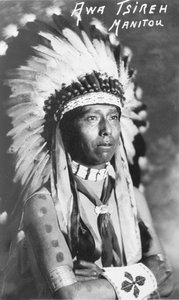
Awa Tsireh
1898 - 1955
Trumpai apie šį kūrėją
- Artistic Movement Or Style: San Ildefonso Self-Taught
- Artists Or Movements Influenced By This Artist: ['Modernism']
- Artists Who Influenced This Artist: ['Elizabeth DeHuff']
- Date Of Birth: February 1, 1898
- Date Of Death: March 30, 1955
- Full Name: Awa Tsireh (Alfonso Roybal)
- Nationality: American (Pueblo)
- Notable Artworks:
- Running Horse
- Deer Dancer
- Place Of Birth: San Ildefonso Pueblo, NM

