Basque pilgrimage (Aurelijus Arteta)
Aurelijus Arteta (1879–1940) sukūrė Basque pilgrimage. Pagaminta naudojant Oil.
- Oil

 Peržiūrėti

 Rankinio darbo aliejinės imitacijos paveikslas
 Pasidalinti
 Dalintis
 Informacinė lLapelė


 Atsisiųsti
 Panašūs eksponatai
 Rentgeno spindulių nuotrauka
 Automatinė diorama
 Klausimai ir atsakymai

 Statistika
Basque pilgrimage, trumpai
- Pavadinimas
- Basque pilgrimage
- Autorius
- Aurelijus Arteta (1879–1940)
- Autorius gimęs
- Bilbao, Ispanija
- Technika
- Oil
- Laikotarpis
- Modern
- Tema
- people
Ką vaizduoja Basque pilgrimage?
A Celebration of Basque Spirit
In the evocative masterpiece Basque Pilgrimage, the legendary Spanish painter Aurelio Arteta invites us into a moment of profound communal joy. The canvas unfolds as a vibrant tapestry of human connection, capturing a large gathering of people nestled within a lush, verdant field. As one gazes upon the scene, there is an immediate sense of movement and life; figures are scattered across the landscape, some seated peacefully upon the grass while others engage in the rhythmic grace of dance. The atmosphere is thick with the spirit of festivity, punctuated by the delicate glint of wine glasses held aloft and the casual presence of bottles and bowls that suggest a shared feast. It is not merely a depiction of a social event, but a soulful tribute to the enduring strength of community traditions.
Arteta, a master of blending the structural clarity of Cubism with the emotive depth of Social Realism, employs a technique that breathes life into every subject. The composition is meticulously balanced, guiding the eye through the undulating crowd and across the scattered elements of the picnic. His brushwork, while grounded in a certain monumental solidity characteristic of his style, manages to capture the ephemeral lightness of a summer afternoon. The interplay of light and shadow across the various textures—from the soft blades of grass to the diverse fabrics of the attendees' clothing—creates a sense of three-dimensional presence that makes the scene feel almost tangible to the viewer.
Symbolism and Cultural Resonance
Beyond its surface beauty, Basque Pilgrimage serves as a poignant window into the cultural identity of the Basque region. During an era marked by significant socio-political shifts in Spain, Arteta turned his gaze toward the foundational rhythms of rural life. The pilgrimage itself acts as a powerful symbol of shared faith, heritage, and the cyclical nature of tradition. Each figure in the painting represents a thread in the larger social fabric, contributing to a collective narrative of resilience and togetherness. The presence of food and drink is not merely incidental; it symbolizes the bounty of the land and the ritualistic importance of breaking bread as a community.
For the discerning collector or interior designer, this artwork offers much more than aesthetic appeal. It provides an emotional anchor for a space, bringing a sense of warmth, stability, and historical depth. The painting’s ability to evoke nostalgia while celebrating the vitality of life makes it a timeless addition to any curated collection. Whether placed in a grand salon or a quiet study, a high-quality reproduction of this work serves as a conversation piece that honors the artistry of the early 20th-century Spanish Modernist movement and the unbreakable bonds of human fellowship.
Basque pilgrimage dididraudžios kokybės vaizdai

Viešoji domenė: suregalis mirė 1940 m.
Kiti dydžiai, iškarai ir citavimo informacija →Aurelijus Arteta, Basque pilgrimage. Viešoji domenė
Atsakimai į klausimus apie Basque pilgrimage
Kokia technika sukurta „Basque pilgrimage“ – Aurelijus Arteta?
„Basque pilgrimage“ – Aurelijus Arteta technika – Oil. Kopijos siekia atkartoti šios technikos vaizdą.
Ką vaizduoja „Basque pilgrimage“ – Aurelijus Arteta?
Darbos „Basque pilgrimage“ temos yra people.
Ar „Basque pilgrimage“ yra viešosios teisės kūrinys?
Autorių teisių statusas kūriniui „Basque pilgrimage“ – Aurelijus Arteta: kūrinys priklauso yra viešosios erdvės dalis – jo autorinė teisė pasibaigusi. Tai nulemia, ar galima laisvai reprodukciuoti šį vaizdą.
Kas yra „Basque pilgrimage“ kūrybos autorius?
Kūrinį „Basque pilgrimage“ sukūrė Aurelijus Arteta. Darbas katalogizuojamas Aurelijus Arteta vardu.
Kodėl „Basque pilgrimage“ autoriškos teisės statusas yra toks, koks yra?
„Basque pilgrimage“, kurį sukūrė Aurelijus Arteta, yra yra viešosios erdvės dalis – jo autorinė teisė pasibaigusi. Autorinės teisės apsaugos terminai skaičiuojami nuo autoriaus mirties, o Aurelijus Arteta mirė 1940 m.
Apie menininką Aurelijus Arteta

1879–1940, Ispanija
Aurelijus Arteta
Ankstyvas gyvenimas ir meno pamatai Aurelio Arteta Errasti, gimęs triūsmingame Bilbao uostamiestyje Ispanijoje 1879 metais, netrukus tapo svarbia figūra ankstyvojo XX amžiaus Ispanijos modernizmo judėjime. Jo meninis kelias buvo giliai susijęs su to meto sociopolitinėmis srovėmis ir gyvybinga Europos kultūrine aplinka. Nors Arteta šaknys buvo įleidę Basų krašto tradicijose, jo kelias nuvedė gerokai už regioninių ribų, formuodamas unikalų stilių, apjungiantį simbolizmą, kubizmą ir socialinį realizmą. Ankstyvieji gyvenimo metai buvo žymimi mobilumu; šeimos persikėlimas į Valjadolidą 1894 metais dėl tėvo darbo suteikė jam prisitaikymo gebėjimo ir stebėjimo jausmą.
Taip pat Aurelijus Arteta darbai
 Diálogo en el campo de sport
 Pescadores - La Galerna
 La mina
 To the pilgrimage

Esdai apie Basque pilgrimage
 25 Masterpieces by Rogier van der Weyden: The Pinnacle of Emotional ArtImmerse yourself in the profound emotion of Rogier van der Weyden’s greatest works. From Northern Renaissance mastery to exquisite textures…
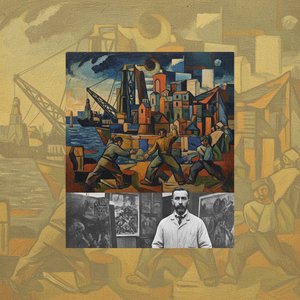 Aurelio Arteta: Navigating Modernity Through Color & Form – A Comprehensive ExplorationExplore the captivating world of Aurelio Arteta, a pivotal Spanish Modernist painter. Discover his unique blend of Symbolism, Cubism & Soci…
 Akseli Gallen-Kallela: Shaping Finnish Identity Through National Romanticism & SymbolismExplore the captivating world of Akseli Gallen-Kallela, Finland's iconic National Romantic painter. Discover his symbolic landscapes, Kalev…