Expressionism · 1906
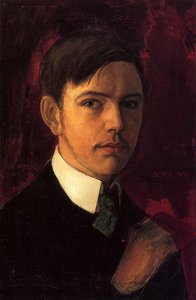
Self-portrait (August Macke, 1906)
August Macke (1887–1914) sukūrė Self-portrait. Šis kūrinys datuojamas 1906 m. Šis kūrinys priklaulo Expressionism kieruliui. Pagaminta naudojant Oil. Dimensijos – 54 × 35 cm.
- 1906
- Oil
- 54 × 35 cm

 Peržiūrėti realaus dydžio版

 Rankinio darbo aliejinės imitacijos paveikslas
 Pasidalinti
 Dalintis
 Vadovas


 Atsisiųsti
 Panašūs eksponatai
 Rentgeno spindulių nuotrauka
 Automatinė diorama
 问答

 Statistika
Self-portrait: pagrindinė informacija
- Pavadinimas
- Self-portrait
- Autorius
- August Macke (1887–1914)
- Dizainere/is gimęs
- Mešedė, Vokietija
- Data
- 1906
- Mediumas
- Oil
- Matmenys
- 54 × 35 cm
- Judėjimas
- Expressionism
- Laikotarpis
- Modern
- Tema
- famous people, men, portraits
Ką vaizduoja Self-portrait?
A Moment Frozen in Time: The Introspection of August Macke
In the quiet, focused gaze of Self-portrait (1906), we encounter a rare moment of stillness from an artist whose life would soon be swept up in the turbulent currents of German Expressionism. Before the vibrant, kaleidoscopic colors of his later works defined his legacy, this early piece captures August Macke in a state of profound introspection. The painting presents a man with short, neatly groomed hair, dressed in the formal elegance of a white shirt and tie—an attire that suggests a sense of dignity and perhaps a preparation for the public eye. Yet, beneath this composed exterior, there is an unmistakable depth to his expression. His eyes, directed toward the viewer, hold a serious, contemplative weight that invites us to look beyond the surface of the canvas and into the psyche of a young creator on the cusp of greatness.
The composition of this work serves as a masterclass in early twentieth-century portraiture, balancing the intimacy of the subject with a structured, almost architectural background. While the man remains the undeniable focal point, the subtle presence of decorative elements in the periphery hints at an environment rich with culture and aesthetic awareness. The technique employed here reflects Macke’s formative years at the Düsseldorf Art Academy, where he honed his ability to render texture and light with meticulous care. There is a palpable sense of realism in the way the fabric of his shirt catches the light, contrasted against the more shadowed, enigmatic depths of the background. This interplay between clarity and mystery creates a tension that keeps the viewer perpetually engaged, searching for meaning within the artist's steady stare.
For the discerning collector or interior designer, this self-portrait offers much more than mere decoration; it provides a window into the soul of a lost generation. As an era-defining piece from 1906, it carries the historical gravity of the pre-war period, capturing a sense of peace and intellectual rigor before the world was irrevocably changed by conflict. The painting’s sophisticated palette and balanced proportions make it an ideal centerpiece for a curated gallery wall or a refined study. It possesses a timeless emotional impact, evoking feelings of nostalgia, respect, and quiet strength. To possess a reproduction of this work is to bring a piece of art history into one's personal space—a tribute to the enduring power of the human spirit and the transformative beauty of the expressive gaze.
Self-portrait dididžioja:resoliucija

Viešoji domenė: suregalis mirė 1914 m.
Daugiau variantų, iškaržymų ir citavimo →August Macke, Self-portrait (1906). Viešoji domenė.
Skaitmeninis ekspertas lygina spalvas su originaliu paveikslu ir retušuoja failą, tiksliai atkartojantys autoriaus brushwork stilių.
Pirkti didelės raiškos vaizdąDalykas Self-portrait: klausimai
Kaip galiu peržiūrėti „Self-portrait“ – August Macke reprodukciją?
„Self-portrait“ Peržiūra interjere puslapio funkcija leidžia peržiūrėti kūrinį prieš užsakant.
Ar galiu pamatyti „Self-portrait“ – August Macke rentgeno nuotrauką?
„Self-portrait“ – August Macke rentginio vaizdas (X-Ray) galima rasti šio kūrinio Rentgeninis vaizdas puslapio: tai interaktyvus vaizdo tyrimas per vienuolika optinių sluoksnių.
Kokią nuotaiką „Self-portrait“ – August Macke išreiškia Expressionism kontekste?
Expressionism kryptimi Expressionism stiliaus metu „Self-portrait“ užfiksuotas Reflective tonu.
Ar „Self-portrait“ – August Macke yra šviesaus ar tamsaus tono kūrinys?
Įrašytos „Self-portrait“ – August Macke reikšmės: šviesos intensyvumas – deep_shadow, luminansas – Dark.
Kaip galiu peržiūrėti „Self-portrait“ – August Macke kaip vaizdų rodyklę?
Kūrinį „Self-portrait“ – August Macke galima peržiūrėti kaip slaidų rulio formatą puslapyje Slaydšou.
Kas yra „Self-portrait“ kūrybos autorius?
„Self-portrait“ priskiriamas August Macke.
Kokia spalvų intensyvumas pasižymi „Self-portrait“ – August Macke?
„Self-portrait“ – August Macke spalvų nasyginimas yra Balanced Soft. Nasyginimas apibūdina, kokių spalvos yra ryškių arba išblukusių.
Kokio dydžio „Self-portrait“ spausdinimas tiktų mano kambariui?
Office erdvėje „Self-portrait“ siūloma spausdinti Small dydžiu.
Kokia yra „Self-portrait“ – August Macke technika ir kūrybos data?
„Self-portrait“ – August Macke technika – Oil, kūrybinė data – 1906.
Apie šį menininką, August Macke
1887–1914, Vokietija
August Macke
Pradžios metai, šeima ir mokslas Augustas Makė savo gyvenimo istoriją pradėjo Vokatijoje, Meschedėje, kur 1887년 January 3 d. gimė ne vienas, o vienintelis sūnus, augintas Augusto Friedricho Hermanno Mackės, statybų rangovo ir amatoriškio dailininko, bei Marios Florentinės šeimoje. Jo vaikystę formavo svyravojanti tėvo verslo sėkmė, dėl kurios šeima persikėlė į Kelną, o vėliau – į Bonną. Net ir mažamei paaugliui jau buvo akivaizdu vizualinės išraiškos trauktinys; savo ankstyvosis metus jis praleido piešdamas skicų ir projektując scenografijas mokyklos spektakliams, surasdamas būdą pernešti savo aplinką ant popieriaus dar prieš jam teikus pasiūlytą oficialų akademinį mokymą.
Taip pat August Macke darbai
 August Macke
Trumpa gyvenimo istorija: August Macke ryškus pasaulis
Meschede
Germany
1887
1914
Apžvalga į modernų gyvenimą: August Macke spalvinga scena
Der Blaue Reiter
--Bendras įspūdis-- Meninis kūrinys pristato stiliaizuotą sceną, kurioje keli1913
 Bathing Girls su miestu fonu1913
 Parduotuvos su kepeliais1913
 Portrait of the Artist's Wife with Hat1909
Esdai apie Self-portrait
 The Inner Landscape: Exploring Themes of Introspection in Visual Art Across Movements & ErasExplore the captivating world of introspective art! Discover how artists across eras – from Rembrandt to Kahlo – used self-portraiture to r…
 Unmasking Emotion: Top 10 Expressionist Masterpieces That Changed Art ForeverExplore iconic Expressionist works by Munch and Kandinsky. Discover the emotion behind the art on OriginalUniqueArt.com.
 August Macke: Expressionist Visions of Harmony & Modern LifeExplore the vibrant Expressionist paintings of August Macke (1887-1914). Discover his key role in Der Blaue Reiter, Fauvist influences, and…