

 Peržiūrėti realaus dydžio版
 Siųsti
 Dalintis
 Išsamiau
 Vadovas

 Atsisiųsti
 Panašūs eksponatai
 Rentgeno spindulių nuotrauka
 Diaporama
 Statistika
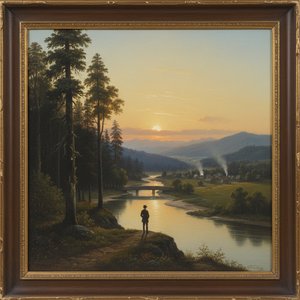
A Stream in the Wood
 Acrylic On Canvas
- WallArt
- Hudson River School
 1865
1865 102.0 x 82.0 cm
 Thyssen-Bornemisza Muziejus
 Rodyti daugiau
Giclée / Meno spausdinimas
Muziejų lygio „giclée“ arba drobos spausdinimas: greita gamyba ir lankstios apdailos parinktys. ( Pirkti rankomis tapytą reprodukciją Perejti prie skaitmeninių vaizdų)




P118B €10

P118H €10

P118W €10

P438Z €10

P508JH €12

P508YH €12

P805H €10

P805Z €10

P919BZ €10

P919G €10

P919XJ €10

P959ZH €10

P968JZ €12

W106C €8

W218G €10

W218JH €8

W218Y €10

W307PJ €10

W316G €10

W316PJ €8

W316Y €10

W398PJ €8

W4111J €10

W500HY €15

W500JH €15

W692G €12

W849H €8

W940BG €15

W953PJ €8




Pasirinkite iš mūsų nustatytų dydžių, atitinkančių originalaus meno kūrinio proporcijas.

Įveskite jums reikiamą plotį ir aukštį, kad atvaizdas derėtų prie jūsų rėmo ar sienos. Spausdiną galima tik sumažinti, bet nepadidinti virš originalaus paveikslėlio dydžio, todėl keičiant proporcijas, dalis vaizdo prarandama. Prieš spausdinimą atsiųsime jums skaitmeninį maketą patvirtinimui. Šioje puslapio nuotraukoje matomas pjūvis nėra tikslus – jį rodo tik maketas.
Pristatymas visame pasaulyje () per 2 weeks, o ne įprastas 4/5 savaičių laikotarpis. (27 spalis)

Nemokamas greitasis pristatymas visame pasaulyje

Aukštos kokybės lininis drobė

Pilnas siuntimo draudimas

Muitinės mokesčių grąžinimo garantija

Tikro spalvų atitikimo garantija

100 dienų grąžinimo politika (tik esant įtaigoms)

100% pinigų grąžinimo garantija

Nuolaida dideliems užsakymams
 Stiklo variantas prieinamas tik pasirinkus dydį iki 110 cm

A Stream in the Wood
Giclée / Meno spausdinimas
Reprodukcijos dydis
-


Visų pasirinktų variantų kaina
€ 70
A Glimpse of Serenity: Asher Brown Durand’s “A Stream in the Wood”
Asher Brown Durand's "A Stream in the Wood," painted in 1865, isn’t merely a landscape; it’s an invitation to quiet contemplation. This masterful work, housed within a generous 102 x 82 cm canvas, captures a fleeting moment of profound tranquility nestled deep within the American wilderness. Durand, a pivotal figure in the Hudson River School movement, sought not just to depict nature but to imbue it with spiritual resonance – a belief that the natural world held a mirror to the divine. The painting immediately draws the viewer into a scene of understated grandeur; a gently flowing stream bisects a densely wooded area, its waters reflecting the dappled sunlight filtering through the canopy above. The composition is meticulously balanced, utilizing a classic pyramidal structure that directs the eye through the scene, from the foreground’s textured foliage to the distant, hazy mountains – a technique borrowed from the esteemed landscape masters of the 17th century.
Romantic Luminism and the American Ideal
Durand's approach aligns perfectly with the tenets of Romantic Luminism, a style characterized by its soft, diffused light and emphasis on atmospheric perspective. He eschewed the dramatic, theatrical landscapes favored by earlier generations, opting instead for a more subtle, almost melancholic beauty. This shift reflected a broader cultural movement in America – a yearning for an unspoiled wilderness, a connection to nature that transcended the burgeoning industrial landscape of the nation. Durand’s work embodies this ideal, presenting a vision of America as a vast, untamed Eden, untouched by human influence and brimming with spiritual significance. The painting speaks to a desire for simplicity and escape, reflecting the Romantic fascination with the sublime – an experience of awe and wonder evoked by confronting the immensity and power of nature.
Details of Technique: A Master’s Craftsmanship
Close examination reveals Durand's extraordinary technical skill. The artist employed a painstaking layering technique, building up the image through countless thin glazes of oil paint – a method that allowed him to achieve an unparalleled level of detail and luminosity. Notice the meticulous rendering of each individual leaf, branch, and stone; the subtle variations in color and texture that create a sense of depth and realism. The artist’s attention to light is particularly noteworthy, with Durand skillfully capturing the way sunlight filters through the trees, creating a shimmering effect on the water's surface. The use of a limited palette – primarily greens, browns, blues, and grays – contributes to the painting’s serene atmosphere, reinforcing its sense of quiet contemplation. The inclusion of a single bird perched near the top left corner adds a touch of life and movement to the scene, subtly disrupting the stillness and inviting the viewer to linger.
Symbolism and Emotional Resonance
"A Stream in the Wood" is rich with symbolic meaning. The stream itself represents the flow of time and the interconnectedness of all things; a metaphor for life’s journey. The dense forest symbolizes the mysteries of nature, while the distant mountains evoke a sense of timelessness and spiritual aspiration. The painting's overall mood is one of peaceful solitude – an invitation to escape the pressures of modern life and reconnect with the natural world. Durand’s masterful depiction of this serene landscape evokes feelings of tranquility, nostalgia, and perhaps even a touch of melancholy—a recognition of nature’s enduring beauty and its inevitable transience. It's a painting that speaks not just to the eye but also to the soul, offering a moment of respite and reflection in an increasingly chaotic world.
Further Exploration & Reproduction
For those seeking deeper insight into this remarkable work, we encourage you to explore the resources provided:
- Wikipedia Entry on Asher Brown Durand
- Web Gallery of Art - “A Stream in the Wood”
- Google Arts & Culture - “A Creek in the Woods”
- Museo Nacional Thyssen-Bornemisza - “A Creek in the Woods”
问答 (or more naturally for a website heading): Klausimai ir atsakymai
Kur galiu rasti „A Stream in the Wood“ vadovą?
„A Stream in the Wood“, autorius – Ašeras Braunas Durandas Gidas puslapioje galima rasti spausdinamą dviejų lapų informacinę lentelę: kūrinį su jo tapatybės lentele, dešimtmečių juostą, nurodančią laikotarpį, kuriame gyveno paveikslas, kitus šio kūrinio autoriaus darbus, išmatuotą spalvų paletę bei keturiomis stiliais paruoštus citavimo pavyzdžius.
Kokio dydžio „A Stream in the Wood“ siūloma Living Room?
Living Room erdvėje „A Stream in the Wood“ siūloma spausdinti Medium dydžiu.
Kokia yra „A Stream in the Wood“ paletės ryškumas?
Kūrinys „A Stream in the Wood“, autorius – Ašeras Braunas Durandas užfiksuotas su Balanced Soft nasyginimu.
Autoriaus biografija
Ankstyvieji Metai ir Formavimasis
Asher Brown Durand, gimęs rugpjūčio 21 dieną, 1896 metais Maplewood mieste, Naujajame Džersyje, iš pradžių nebuvo skirtas gyvenimui, panardintam į dažus ir drobę. Jo jaunystę formavo praktinis tėvo pasaulis – laikrodininkas ir sidabrininkas, įskiepijęs jam kruopštų dėmesį detalėms, kuris vėliau giliai paveikė jo meninę viziją. Šis meistriškumo pagrindas 1812 metais atvedė jį į mokyklą pas graviūrų meistrą Peter Maverick, kelią, kuris iš pradžių atrodė apibrėžiantis jo karjerą. Durand greitai įrodė savo išskirtinį talentą, tapdamas firmos partneriu ir įsteigdamas jos Niujorko skyrių. Jo reputacija kaip graviūrūtojas pakilo po sudėtingos John Trumbull’o *Deklaracijos Nepriklausomybės* reprodukcijos 1823 metais – pasiekimo, kuris sustiprino jo padėtį meno bendruomenėje. Tačiau po tikslumo graviūrų pasaulyje slypėjo augantis aštraus natūralaus grožio užfiksavimo aistra, pašaukimas, kuris galiausiai jį pavertė svarbia figūra Amerikos mene.Nuo Graviravimo Iki Natūralios Paletės
Perėjimas nuo kruopštaus graviūrūtojo prie garsaus peizažisto nebuvo greitas. Durand tęsė savo graviūrų darbus, tuo pat metu tyrinėdamas tapybą, iš pradžių sutelkiant dėmesį į portretus ir žanrinius paveikslus. Lemingas posūkis įvyko 3-ame dešimtmetyje, kai Luman Reed suteikė jam globą, skatinant jį visiškai apimti savo meninius polinkius. Reedo parama leido Durand daugiau dėmesio skirti tapybai, siekiui, dar labiau įkvėptam transformacinės eskizų ekspedicijos su artimu draugu Thomas Cole’u Adirondeko kalnuose 1837 metais. Ši kelionė į nenusakytą laukinę gamtę pasirodė esanti lemiama; būtent čia Durand tikrai atrado savo pašaukimą – užfiksuoti Amerikos kraštovaizdžio didybę. Jis pradėjo praleisti vasaras panardintas į gamtą, kruopščiai dokumentuodamas Catskill kalnus, Adirondeko kalnus ir Baltuosius kalnus per daugybę piešinių ir aliejinių eskizų. Šios studijos nebuvo tik parengiamieji pratimai, bet tapo integralia jo meninės kūrybos dalimi, formavusios kompozicijas ir detales jo baigtuose paveiksluose.Hudson River Mokyklos Įkūrėjas
Durando atsidavimas peizažinei tapybai suderino jį su augančiu menininkų būreliu, kurie dalijosi panašia vizija – grupe, kuri vėliau buvo žinoma kaip Hudson River mokykla. Jis buvo vienas iš jos įkūrėjų, kartu su Cole’u, ir vaidino gyvybingą vaidmenį nustatant mokyklos savitą estetiką. Hudson River mokykla nebuvo tik apie kraštovaizdžio vaizdavimą; ji buvo apie emocinį rezonansą ir dvasinę reikšmę įkvepiant kraštovaizdžius. Durando darbai įkūnija šią filosofiją, pasižyminčią kruopščiu realizmu, deriniu su romantiška jautrumu. Jis tikėjo stebint gamtą be jokio kompromiso, bet taip pat pripažino jos galią sukelti nuostabos, pagarbos ir didybės jausmus. Jo paveikslai nebuvo tik vietų atvaizdai; jie buvo jo gilaus ryšio su Amerikos laukinėmis gamtėmis išraiška ir šventė Dievo kūrybos.Palikimas Ir Nuolatinis Poveikis
Durando įtakos apėmė ne tik jo pačio meninę produkciją. Jis ėjo Nacionalinės Dizaino Akademijos prezidento pareigas nuo 1845 iki 1861 metų, naudodamas savo padėtį skatindamas Amerikos meną ir ugdydamas jaunus talentus. Taip pat jis rašė įžvalgias “Laiškus apie peizažinę tapybą”, publikuotus *The Crayon* – reikšmingame meno periodiniame leidinyje, artikuliuodamas savo meninius principus ir pasisakydamas už tiesiogines gamtos stebėjimus. Jo įsipareigojimas realizmui ir detaliam vaizdavimui nustatė aukštą standartą vėlesnės kartos peizažistams. Darbai, tokie kaip *Kindred Spirits*, nutapytas 1849 metais kaip pagarba Thomas Cole’ui, tapo ikoniškais Hudson River mokyklos estetinio vaizdavimais ir iki šiol rezonuoja su žiūrovais. Paveikslo atvaizdas Cole’o ir poeto William Cullen Bryant tarp ramių miško kraštovaizdžių įkūnija mokyklos pagarba gamtai ir tikėjimą meno galia jungti žmoniją su dievybe. Durando paveikslai siūlo daugiau nei tik gražius vaizdus; jie suteikia langą į XIX amžiaus Ameriką, atspindintį jos besivystantį santykį su gamtos pasauliu ir augantį nacionalinės tapatybės jausmą. Jo palikimas išlieka ne tik per jo žavingius paveikslus, bet ir per nuolatinę įtaką Amerikos peizažinei tapybai ir tvirtą įsipareigojimą užfiksuoti grožį ir dvasinę gamtos reikšmę.
Ašeras Braunas Durandas
1796 - 1886 , Jungtinės Amerikos Valstijos
Trumpa informacija apie kūrėją
- Gimimo Data: rugsėjo 19 d., 1796
- Gimimo Vieta: Niujorko miestas, JAV
- Meninis Stilius: Hadson Rivjero mokykla
- Mirties Data: 1886
- Pilietybė: Amerikietis
- Pilnas Vardas: Asher Brown Durand
- Turėjo Įtakos: ['Thomas Cole']
- Įtakojo: ['Hadson Rivjero mokykla']
- Žymiausi Darbai:
- Kompozicija peizaže
- Vienišas ąžuolas
- Eskizas miške
- Kanojos sraunuose
Susiję straipsniai
Capturing the American Spirit: A Journey Through Iconic Landscapes and the Legacy of the Hudson River School
Explore the profound beauty of American art history. From the Hudson River School to iconic landscapes, discover a curated journey through the masterpieces that defined a nation's spirit and the enduring legacy of American Romanticism.
The Sublime Landscape: Exploring the Hudson River School Movement
Explore the captivating world of the Hudson River School! Discover the history, artists, and defining characteristics of this iconic American art movement. Learn about Romanticism's influence & find inspiration for your collection.
Asher Brown Durand: Luminism, Landscape & the American Ideal – A Comprehensive Exploration
Explore the life & art of Asher Brown Durand, a founding member of the Hudson River School. Discover his masterful landscapes, Luminist techniques, and lasting impact on American painting. Learn about key works like 'Kindred Spirits' & collecting Durand today.
Hudson River School: 10 Šedevrai, Apibrėžę Amerikos Peizažo Meną
Atraskite 10 legendinių Hudson River School kūrinių! Thomas Cole, Frederic Church ir kiti meistrai sukuria nepakartojamą gamtos grožio vaizdą. Išmokite apie jų techniką ir įkvėpkite savo interjerą aukštos kokybės reprodukcijomis iš OriginalUniqueArt.com!
Robert Spencer: Luminism, Narrative & the American Landscape Tradition
Explore the captivating world of Luminism & the Hudson River School with our expert analysis. Discover the history, artists, and enduring beauty of 19th-century American landscape painting. Find museum-quality reproductions at OriginalUniqueArt.