

 Peržiūrėti realybėje
 Pasidalinti
 Dalintis
 Išsamiau

 Atsisiųsti
 Panašūs eksponatai
 Rentgeno nuotrauka
 Automatinė diorama
Mount Merino

 Skaityti daugiau
Rankų darbo aliejinės reprodukcijos
Rankiniu būdu tapytas aliejus ant droblio jūsų pageidaujamame dydį ir rėmuose – mūsų menininkų darbas pagal užsakymą. ( Pirkti spaudinį Pirkti vaizdą)




































Pasirinkite iš mūsų nustatytų dydžių, atitinkančių originalaus meno kūrinio proporcijas.

Galite įvesti savo matmenis, kad jie atitiktų konkretų rėmą ar erdvę. Jei pasirinktas dydis neatitinka originalaus paveikslėlio proporcijų, mes arba apkropsime meno kūrinį, arba papildysime tapybą rankomis dažytい elementais. Prieš pradėdami gamybą, jūsų patvirtinimui atsiųsime skaitmeninį maketą.
Atkreipkite dėmesį, kad ekrane rodomas vaizdas neatspindi tikrojo apkarpymo ar papildymo. Tik maketas tiksliai parodys galutinę kompoziciją.
Nors galima rinktis ir individualius dydžius, rekomenduojame pasirinkti matmenis iš nustatytos sąrašo, kad būtų išlaikytos originalios proporcijos.
Gavus užsakymą, OriginalUniqueArt.com komanda susisieks su klientu el. paštu dėl instrukcijų ir pateiks maketo pavyzdį.
Pristatymas visame pasaulyje () per 3–4 savaites, o ne įprastai – per 5 savaites. (22 rugpjūtis). Kokybė lieka nepakeičiama.

Nemokamas greitasis pristatymas visame pasaulyje

Aukštos kokybės lininis drobė

Pilnas siuntimo draudimas

Muitinės mokesčių grąžinimo garantija

Tikro spalvų atitikimo garantija

60 dienų grąžinimo politika (tik esant gamyklinėms defektams)

100% pinigų grąžinimo garantija

Nuolaida už kelias reprodukcijas
 Stiklo variantas prieinamas tik pasirinkus dydį iki 110 cm

Mount Merino
Reprodukcijos technika
Reprodukcijos matmenys
-


Galutinė kaina
$ 300
Kūrinio aprašymas
A Serene Vista: Arthur Parton's "Mount Merino"
This captivating landscape painting, tentatively titled “Mount Merino,” offers a tranquil glimpse into 19th-century American scenery. While specific details regarding the work’s creation remain elusive due to limited documentation on artist Arthur Parton and this particular piece, its visual elements speak volumes about the artistic sensibilities of the era. The scene depicts a picturesque body of water – likely a lake or wide river – framed by majestic mountains in the background. Several boats dot the surface, suggesting leisurely activities and perhaps even commerce, while figures are scattered along the shore, enjoying the idyllic setting. A charming detail is the inclusion of a dog, adding a touch of domesticity and warmth to the composition.Style & Technique: Tonalism and Atmospheric Perspective
"Mount Merino" exemplifies characteristics associated with the Tonalist movement, which flourished in America during the late 19th century. Unlike the vibrant colors of Impressionism, Tonalists favored muted palettes – soft grays, blues, browns, and greens – to create atmospheric effects and evoke a sense of mood rather than precise detail. Parton skillfully employs atmospheric perspective, where distant objects appear paler and less distinct due to the effect of intervening atmosphere. This technique enhances the depth of the scene and contributes significantly to its overall tranquility. The brushwork appears relatively smooth, prioritizing tonal harmony over visible texture, a hallmark of Tonalist painting. The artist’s focus is on capturing the *feeling* of the landscape rather than a photographic representation.Historical Context & Possible Location
Arthur Parton (1842-1914) was an American artist active during a period of significant industrial and societal change in the United States. The late 19th century saw increased leisure time for many Americans, leading to a greater appreciation for outdoor recreation and landscape painting. While definitive confirmation is lacking, "Mount Merino" likely depicts a scene from the Hudson River Valley or another similarly scenic region within the northeastern United States. The name “Mount Merino” itself suggests a possible connection to a specific landmark – further research may reveal its precise location. The popularity of landscape paintings during this era reflected a desire to connect with nature and escape the rapidly urbanizing environment.Emotional Impact & Decorative Appeal
"Mount Merino" evokes a profound sense of peace and serenity. The muted colors, soft light, and tranquil subject matter combine to create a calming visual experience. The painting’s gentle atmosphere invites contemplation and offers a respite from the stresses of modern life. From an interior design perspective, this reproduction would be exceptionally well-suited for spaces seeking a classic, understated elegance. Its harmonious color palette complements a wide range of décor styles, from traditional to contemporary settings. The scene's inherent beauty makes it a compelling focal point in any room, bringing a touch of nature’s tranquility indoors.Autoriaus biografija
The Serene Vision of Arthur Parton
In the golden age of American landscape painting, few artists captured the quietude of the natural world with as much soulful resonance as Arthur Parton. Born in 1842 in Hudson, New York, Parton emerged during a transformative era when the rugged grandeur of the American wilderness was being reimagined through the lens of both classical tradition and burgeoning modern sensibilities. His journey was one of profound exploration, moving from the dramatic, light-drenched vistas of the Hudson River School toward a more intimate, atmospheric style that whispered of distant lands and contemplative stillness. As a painter, Parton did not merely record scenery; he sought to translate the very breath of the landscape onto canvas, creating works that serve as windows into a more tranquil epoch.
Parton’s artistic foundation was built upon rigorous training and the mentorship of some of the nineteenth century's most formidable talents. His early education at the Pennsylvania Academy of the Fine Arts under the guidance of William Trost Richards instilled in him a deep respect for anatomical precision and the complexities of marine and landscape composition. This classical grounding was further enriched by his connection to the legendary Frederic Church, whose mastery of light and epic scale left an indelible mark on Parton’s approach to mountainous terrains and atmospheric perspective. However, as Parton traveled through Europe in 1869, his palette began to shift, absorbing the soft, moody nuances of the Barbizon School, which favored emotional depth and tonal harmony over mere topographical accuracy.
A Fusion of East and West
Perhaps the most enchanting chapter of Parton’s life was his deep immersion in the aesthetics of Asia. During the 1870s and 1880s, his extensive expeditions to China and Japan fundamentally altered his artistic DNA. Unlike many of his contemporaries who viewed the East through a purely exotic lens, Parton engaged with its artistic traditions on a profound level. He became captivated by the delicate intricacies of Chinese jade carving, the strength of bronze casting, and the spiritual weight of Buddhist iconography. These experiences infused his landscapes with a unique, Zen-like balance, where the composition often prioritized a sense of meditative equilibrium over dramatic movement.
This cross-cultural synthesis is evident in his masterful use of color and light. While his brushwork retained a controlled, deliberate quality, he embraced a Tonalist palette—utilizing muted blues, soft greens, and earthy browns to evoke the hazy, ephemeral quality of mist and moonlight. His works, such as the evocative Moonlit Landscape, demonstrate an ability to capture the "feeling" of a moment rather than its literal form. By blending the structural grandeur of American landscape traditions with the subtle, atmospheric philosophies of Eastern art, Parton created a visual language that was entirely his own—a bridge between the tangible world and the spiritual realm.
Legacy and Artistic Triumph
The trajectory of Parton’s career was marked by significant professional milestones that cemented his status within the American art establishment. His ascent was characterized by increasing recognition from prestigious institutions, including his appointment as an associate of the National Academy of Design in 1871 and his elevation to a full National Academician in 1884. One of his most celebrated triumphs came in 1889, when his work Winter on the Hudson was honored with the Temple Silver Medal, a testament to his ability to capture the biting beauty of the American winter through sophisticated tonal control.
Beyond individual accolades, Parton’s historical significance lies in his role as a pioneer of atmospheric landscape painting. His ability to command large-scale exhibitions—notably selling 119 paintings in a single event at the Fifth Avenue Art Galleries in 1893—demonstrates his profound connection with the public and his success in bringing a sense of peace to an increasingly industrializing society. Today, the works of Arthur Parton remain cherished for their ability to transport the viewer to a state of grace, reminding us of a time when art sought to harmonize the human spirit with the eternal rhythms of nature.

arthur parton
1842 - 1914 , United States of America
Trumpa informacija
- Artistic Movement Or Style: Romanticism
- Artists Or Movements Influenced By This Artist: ['Romantic Art']
- Artists Who Influenced This Artist: ['Hudson River School']
- Date Of Birth: New York City, United States of America (1842)
- Date Of Death: 1914
- Full Name: Arthur Parton
- Nationality: American
- Notable Artworks:
- Claverack Creek
- Mount Merino
- Moonlit landscape
- Place Of Birth: New York City
Susiję straipsniai

Džono Konsteblio Šedevrai: 25 Išskirtiniai Darbai Jūsų Interjerui | OriginalUniqueArt
Atraskite 25 įspūdingiausius Džono Konsteblio paveikslus! Romantizmo meistro gamtos vaizdai, Dedham Vale peizažai ir meno istorijos šedevrai. Meno reprodukcijos jūsų interjerui – OriginalUniqueArt.com

Katsushika Hokusai: 25 Šedevrai Japonų Meno Istorijoje | OriginalUniqueArt.com
Atraskite 25 įspūdingiausius Katsushika Hokusai kūrinius! Žiūrėkite *Didžiąją bangą*, *Fuji kalną* ir kitus Ukiyo-e stiliaus šedevrus. Meno reprodukcijos jūsų interjerui – OriginalUniqueArt.com
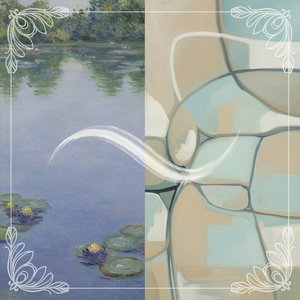
Serene Visions: Exploring Themes of Tranquility in Art History & Contemporary Practice
Explore the history of serene landscape art & discover artists who evoke tranquility. Find the perfect calming artwork for your home with expert guidance from OriginalUniqueArt.

Evocations of Place: A Historical Journey Through Landscape Art
Explore the rich history of landscape art with OriginalUniqueArt. Discover renowned artists, movements like Impressionism & Romanticism, and expert guidance for collecting timeless pieces. Find your perfect serene escape today!

10 Romantinių Peizažų Simbolių: Tapybos Majestatės Viršūnės
Atraskite 10 legendinių romantinio peizažo kūrinių! Pasinerkite į Claude Lorrain, Caspar David Friedrich ir J.M.W. Turner genijaus pasaulį. Išmokite apie tapybos meistriškumą bei gamtos grožį. Aukščiausios kokybės meno reprodukcijos – OriginalUniqueArt.com. Tyrinėkite kolekciją!

