

 Peržiūrėti realaus dydžio版
 Siųsti
 Dalintis
 Išsamiau
 Vadovas

 Atsisiųsti
 Panašūs eksponatai
 Rentgeno spindulių nuotrauka
 Diaporama
 Statistika
April Love
 Acrylic On Canvas
- WallArt
- Pre-Raphaelite
 1855
1855 49.0 x 88.0 cm
 Tate muziejus
 Rodyti daugiau
Giclée / Meno spausdinimas
Muziejų lygio „giclée“ arba drobos spausdinimas: greita gamyba ir lankstios apdailos parinktys. ( Pirkti rankomis tapytą reprodukciją Perejti prie skaitmeninių vaizdų)




P118B €10

P118H €10

P118W €10

P438Z €10

P508JH €12

P508YH €12

P805H €10

P805Z €10

P919BZ €10

P919G €10

P919XJ €10

P959ZH €10

P968JZ €12

W106C €8

W218G €10

W218JH €8

W218Y €10

W307PJ €10

W316G €10

W316PJ €8

W316Y €10

W398PJ €8

W4111J €10

W500HY €15

W500JH €15

W692G €12

W849H €8

W940BG €15

W953PJ €8




Pasirinkite iš mūsų nustatytų dydžių, atitinkančių originalaus meno kūrinio proporcijas.

Galite nurodyti savo matmenis, kad vaizdas atitiktų konkretų rėmą ar erdvę. Jei pasirinktas dydis nesutaps su originalaus paveikslėlio proporcijomis, mes arba apkirpsime kūrinį, arba išplėsime vaizdą naudojant veideliu atspindėtą arba vientisą šoną. Skaitmeninis maketas bus išsiųstas jums patvirtinti prieš pradedant gamybą.
Atkreipkite dėmesį, kad ekrane matomas vaizdinys neatspindi tikrojo apkirpimo ar išplėtimo. Tik maketas tiksliai parodytų galutinę kompoziciją.
Nors galima rinktis ir individualius dydžius, rekomenduojame pasirinkti vieną iš išanksti nustatytų matmenų, kad būtų išlaikytos originalios proporcijos.
Pristatymas visame pasaulyje () per 2 weeks, o ne įprastas 4/5 savaičių laikotarpis. (11 spalis)

Nemokamas greitasis pristatymas visame pasaulyje

Aukštos kokybės lininis drobė

Pilnas siuntimo draudimas

Muitinės mokesčių grąžinimo garantija

Tikro spalvų atitikimo garantija

100 dienų grąžinimo politika (tik esant įtaigoms)

100% pinigų grąžinimo garantija

Nuolaida dideliems užsakymams
 Stiklo variantas prieinamas tik pasirinkus dydį iki 110 cm

April Love
Giclée / Meno spausdinimas
Reprodukcijos dydis
-


Visų pasirinktų variantų kaina
€ 69
April Love: A Pre-Raphaelite Echo of Fragility
Arthur Hughes’ “April Love,” completed in 1855–6, stands as one of the most poignant expressions of Romantic idealism within the Pre-Raphaelite Brotherhood. Exhibited at the Royal Academy alongside fellow artists like John Everett Millais and Holman Hunt, it immediately captivated audiences with its delicate beauty and subtle narrative—a testament to Hughes’ masterful ability to distill emotion into visual form.
- Subject Matter: The painting depicts a young woman gazing down upon fallen rose petals as her suitor bends to offer a tender kiss. This seemingly simple tableau encapsulates the core theme of courtship and the inherent vulnerability associated with youthful romance.
- Style & Technique: Hughes employed oil paint on canvas, utilizing a technique characterized by meticulous detail and luminous color palettes—a hallmark of Pre-Raphaelite aesthetics. The artist’s careful layering of pigments creates an ethereal atmosphere, capturing the fleeting beauty of springtime and mirroring the ephemeral nature of love itself.
- Historical Context: Hughes' work emerged during a period of intense artistic experimentation and intellectual debate within Britain. Influenced by Tennyson’s poem “The Miller’s Daughter,” which explores themes of loss and regret, Hughes sought to convey not merely visual splendor but also profound psychological insight—a characteristic ambition of the Pre-Raphaelites who rejected academic conventions in favor of direct observation and emotional sincerity.
- Symbolism: The fallen rose petals serve as a powerful symbol of decay and the inevitable end of youthful passion, juxtaposed against the hopeful gesture of the suitor’s hand. Hughes skillfully employs color—particularly the muted hues of lilac and the woman's purple dress—to evoke feelings of melancholy and tenderness, reinforcing the painting’s overarching message about accepting life’s transient beauty.
- Emotional Impact: “April Love” resonates deeply with viewers due to its ability to capture a moment of profound emotional vulnerability. Hughes’ portrayal of longing glances and hesitant expressions invites contemplation on themes of desire, uncertainty, and the bittersweet realization that even the most cherished connections must eventually come to an end—a timeless exploration of human experience that continues to inspire admiration centuries later.
Hughes' meticulous attention to detail—evident in the rendering of the woman’s face and the delicate texture of the fabric—further elevates “April Love” as a masterpiece of Pre-Raphaelite art. Its enduring appeal lies not only in its visual splendor but also in its capacity to evoke empathy and provoke reflection on the complexities of human relationships.
问答 (or more naturally for a website heading): Klausimai ir atsakymai
Ar „April Love“ pasižymi stipriais šviesos ir tamsos kontrastais?
„April Love“, autorius – Artūras Hjūzas pasižymi Balanced kontrastu tarp švesių ir tamsių paviršių.
Ar „April Love“, autorius – Artūras Hjūzas yra paveikslas, piešinys ar grafika?
„April Love“ yra WallArt kūrinys.
Kokiam stiliui priklauso „April Love“?
„April Love“ yra Pre-Raphaelite kūrinys. Šis stilius nurodo meninę tradiciją, kurios šis darbas yra dalis.
Kokia yra „April Love“, autorius – Artūras Hjūzas kūrybos data?
„April Love“, autorius – Artūras Hjūzas kūrybos metai – 1855.
Kas yra „April Love“ kūrybos autorius?
„April Love“ kūrybinį darbą sukūrė Artūras Hjūzas. Šioje puslapio informacijoje aprašomas Artūras Hjūzas originalus kūrinys.
Kas parduoda rankų darbo kopijas kūrinio „April Love“, autorius – Artūras Hjūzas?
„April Love“ galima įsigyti kaip rankomis dažyta aliejų reprodukcija ant lininio drobos. Užsakymą galite padaryti ši ši puslapį, pasirinkdami tinkamą dydį.
Kiek metų buvo Artūras Hjūzas, kai sukūrė „April Love“ 1855 m.?
Artūras Hjūzas sukūrė „April Love“ būdamas 23 metų amžiaus.ت Artistas gimė 1832, o kūrinys datuojamas 1855 metais.
Autoriaus biografija
Rašutis gyvenimas ir mokymuo
Arthur Hughes, britas mykštininkas ir iliustratorius, susijęs su Pre-rafaelite brukteriais, gimė Londone 1832 m সালের sausio mėnesio 27 d. 1846 m. jis įėjo į Somerset House dailės mokyklą, kur jo pirmasis meistras buvo Alfred Stevens. Vėliau jis studijavo Royal Academy mokykloje, kur susitiko su John Everet Millais ir Holman Hunt, tapdami dalimi Pre-rafaelite dailininkų grupės.Žymūs kūriniai ir stilius
Hughes'o pirmas vaizdas, Musidora, buvo rodomas Royal Academy, kai jis buvo tik 17 metų. Jis tęsė savo įnašą Royal Academy, o vėliau – Grosvenor ir New Gallery vystavimose beveik kasmet. Jo labiausiai žinomi kūriniai yra „Pavasario meilė“ ir „Ilga apjungimas“, kurie išvaizduoja sutrūkštus juos, apmąstojančius meilės ir grožio praläufigumą, įkvėpti John Everet Millais ankstesniais „porų“ piktavimais.Asmeninis gyvenimas ir palikta medžiaga
1855 m. Hughes išvirtavė Tryphena Foord, kuri buvo jo modelis „Pavasario meilės“ kūrinybei. Jis mirė Kew Green, Londone, 1915 m. gruodžio mėnesio 22 d., palikdamas apie 700 žinomus vaizdų ir piešinių, taip pat daugiau nei 750 knygų iliustracijų. Jo dukra Emily turėjo sušalinti jo paruošimo skėrių ir privačius dokumentus dėl vietos trūkumo po motinos mirtį 1921 m.Dailinis stilius ir įtakos
Magija, šviesūs spalvos atspojimai ir delikatas piešinys apibūdina Hughes'o kūrinius. Jis buvo įkvėptas ir rašytoju George Macdonald, kurioje iliustravo keletą książų, ir sukūrė daugybę iliustracijų Norman Macleod mėnesiojainiui žurnaliui „Good Words“.- pamatyti daugiau Arthur Hughes kūrinių OriginalUniqueArt
- skaityti daugiau apie Arthur Hughes Wikipedia
- sureikti dailių judesių chronologiją, kad suprastumėte Pre-rafaelite dailės kontekstą
Pagrindiniai kūriniai ir vystavimai
- „Pavasario meilė“, 1855 m. (rodomas Grosvenor galerijoje) - „Ilga apjungimas“, 1862 m. (rodomas New galerijoje) - Musidora, 1849 m. (rodomas Royal Academy)Žymūs muziejai ir kolekcijos
- Toledo muziejus (turima Hughes'o Ophelia) - Viktorijos ir Albertų muziejus (saugo kelis Hughes'o iliustracijas)
Artūras Hjūzas
1832 - 1915 , Jungtinė Karalystė
Trumpa informacija apie kūrėją
- Artistic Movement Or Style: Pre-rafaeliai
- Artists Or Movements Influenced By This Artist: ['John Everett Millais']
- Artists Who Influenced This Artist:
- Alfred Stevens
- George Macdonald
- Date Of Birth: 1832年1月27日
- Date Of Death: 1915年12月22日
- Full Name: Arthur Hughes
- Nationality: Britas
- Notable Artworks:
- April Love
- The Long Engagement
- Musidora
- Place Of Birth: London, Jungtinė Karalystė
Susiję straipsniai

The Pre-Raphaelite Brotherhood: Rediscovering Romanticism, Mythological Depth, and Vivid Detail in Victorian Art
Explore the breathtaking world of the Pre-Raphaelite Brotherhood. Discover how this movement redefined Victorian art through vivid detail, mythological depth, and romanticism. An expert guide for classic art enthusiasts seeking to rediscover these timeless masterpieces.

Dante Gabriel Rossetti: 25 Šedevrai, Įkvėpę Kartas | OriginalUniqueArt.lt
Atraskite 25 įspūdingiausius Dante Gabriel Rossetti šedevrus! Išsami analizė, meno istorija ir įkvėpimas interjerui. Reprodukcijos aliejumi – prerafaelitų klasika jūsų namams. Explore the full collection online!

Pre-Raphaelite Romanticism: A Guide to Vivid Detail and Medieval Beauty in Victorian Art
Explore the vivid detail and medieval beauty of Pre-Raphaelite Romanticism. Discover the history of masters like Rossetti and Millais through our expert guide to Victorian art, perfect for collectors and professionals seeking authentic, museum-quality reproductions.
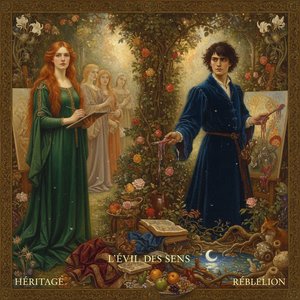
The Pre-Raphaelite Brotherhood: Reclaiming Beauty, Nature, and Truth in Victorian Art History
Explore the revolutionary Pre-Raphaelite Brotherhood. Discover how these visionary artists rejected academic tradition to reclaim beauty, nature, and truth through luminous detail and literary depth in Victorian art history.

Arthur Hughes: Pre-Raphaelite Visions of Beauty & Melancholy
Explore the captivating world of Arthur Hughes (1832-1915), a leading Pre-Raphaelite painter. Discover his dreamy landscapes, poetic narratives & iconic Victorian artworks. Learn about his life, style & collecting today.