

 Peržiūrėti realaus dydžio版
 Siųsti
 Dalintis
 Išsamiau
 Vadovas

 Atsisiųsti
 Panašūs eksponatai
 Rentgeno spindulių nuotrauka
 Diaporama
 Statistika
Judith Beheading Holofernes
 Acrylic On Canvas
- WallArt
- Baroque Realism
 1611
1611 159.0 x 126.0 cm
 Palácio Nacional de Capodimonte
 Rodyti daugiau
Giclée / Meno spausdinimas
Muziejų lygio „giclée“ arba drobos spausdinimas: greita gamyba ir lankstios apdailos parinktys. ( Pirkti rankomis tapytą reprodukciją Perejti prie skaitmeninių vaizdų)




P118B €10

P118H €10

P118W €10

P438Z €10

P508JH €12

P508YH €12

P805H €10

P805Z €10

P919BZ €10

P919G €10

P919XJ €10

P959ZH €10

P968JZ €12

W106C €8

W218G €10

W218JH €8

W218Y €10

W307PJ €10

W316G €10

W316PJ €8

W316Y €10

W398PJ €8

W4111J €10

W500HY €15

W500JH €15

W692G €12

W849H €8

W940BG €15

W953PJ €8




Pasirinkite iš mūsų nustatytų dydžių, atitinkančių originalaus meno kūrinio proporcijas.

Įveskite jums reikiamą plotį ir aukštį, kad atvaizdas derėtų prie jūsų rėmo ar sienos. Spausdiną galima tik sumažinti, bet nepadidinti virš originalaus paveikslėlio dydžio, todėl keičiant proporcijas, dalis vaizdo prarandama. Prieš spausdinimą atsiųsime jums skaitmeninį maketą patvirtinimui. Šioje puslapio nuotraukoje matomas pjūvis nėra tikslus – jį rodo tik maketas.
Pristatymas visame pasaulyje () per 2 weeks, o ne įprastas 4/5 savaičių laikotarpis. (23 spalis)

Nemokamas greitasis pristatymas visame pasaulyje

Aukštos kokybės lininis drobė

Pilnas siuntimo draudimas

Muitinės mokesčių grąžinimo garantija

Tikro spalvų atitikimo garantija

100 dienų grąžinimo politika (tik esant įtaigoms)

100% pinigų grąžinimo garantija

Nuolaida dideliems užsakymams
 Stiklo variantas prieinamas tik pasirinkus dydį iki 110 cm

Judith Beheading Holofernes
Giclée / Meno spausdinimas
Reprodukcijos dydis
-


Visų pasirinktų variantų kaina
€ 70
The Raw Nerve of History: Artemisia Gentileschi's Dramatic Depiction
Artemisia Gentileschi’s “Judith Beheading Holofernes,” painted in 1611, isn’t merely a biblical scene rendered on canvas; it’s a visceral eruption of defiance and a profound exploration of female agency. This arresting work, measuring 159 x 126 cm, immediately commands attention with its stark realism and the unsettling intensity of its central figures. The painting depicts the pivotal moment from the Book of Judith, where the Jewish widow Judith, aided by her maidservant Abra, slays the Assyrian general Holofernes after drugging him and presenting him to his soldiers as a severed head. It’s a story steeped in revenge, courage, and ultimately, liberation – themes that resonate powerfully within Gentileschi's masterful execution.
The scene unfolds within a dimly lit chamber, the shadows emphasizing the drama and creating an atmosphere of palpable tension. The composition is remarkably dynamic; Judith, clad in a striking blue dress—a deliberate choice by the artist, likely referencing royalty and divine authority – dominates the foreground, her face etched with grim determination as she wields the sword with brutal efficiency. Holofernes lies sprawled on his bed, his body contorted in a grotesque tableau of defeat. The secondary figures, standing to the left and behind Judith, are rendered with a subtle yet crucial awareness, their expressions conveying shock, horror, and perhaps even a hint of admiration for Judith’s decisive action. The use of chiaroscuro, borrowed directly from Caravaggio's revolutionary style, intensifies the emotional impact, highlighting key elements while plunging the rest into shadow – a technique that amplifies the sense of immediacy and violence.
A Revolutionary Brushstroke: Gentileschi’s Artistic Language
Artemisia Gentileschi’s artistic approach was profoundly shaped by her father, Orazio Gentileschi, a painter who himself admired Caravaggio. However, Artemisia didn't simply imitate; she transformed these influences into something uniquely her own. Her style is characterized by an unflinching realism and a dramatic use of light and shadow – qualities that were rarely afforded to female artists at the time. Notice how she doesn’t shy away from depicting the brutality of the act, presenting it with a stark honesty that was considered shocking for its era. The musculature of Holofernes is rendered with anatomical precision, emphasizing his vulnerability and defeat. Conversely, Judith's physique is powerfully sculpted, conveying strength and resolve.
- Chiaroscuro: Gentileschi masterfully employs dramatic contrasts between light and dark to heighten the emotional impact of the scene.
- Dynamic Composition: The swirling movement and diagonal lines create a sense of urgency and instability, mirroring Judith’s decisive action.
- Realistic Detail: From the texture of Holofernes' skin to the gleam of the sword, every detail is rendered with meticulous accuracy.
Symbolism and Narrative Power
Beyond its immediate depiction of a violent act, “Judith Beheading Holofernes” is rich in symbolic meaning. Judith’s act of decapitation represents not just personal revenge but also the liberation of her people from Assyrian oppression. The blue dress she wears symbolizes her elevated status and divine favor – suggesting that she is acting as an instrument of justice and a champion of her nation. Holofernes himself embodies tyranny and foreign domination, his demise signifying the triumph of righteousness over evil. The painting subtly challenges patriarchal power structures by portraying a woman taking control of her own destiny and enacting retribution against a powerful male figure.
A Timeless Masterpiece: Reproduction and Artistic Legacy
OriginalUniqueArt offers meticulously crafted hand-painted reproductions of Artemisia Gentileschi’s “Judith Beheading Holofernes,” allowing you to experience the raw power and emotional depth of this iconic work in your own space. These reproductions capture not only the visual details but also the artist's masterful use of light, shadow, and composition. Whether adorning a grand salon or a more intimate setting, this painting’s dramatic intensity will undoubtedly serve as a focal point, sparking conversation and reflecting on themes of courage, resilience, and the enduring strength of the female spirit. Consider it an investment in art history—a testament to one of the most remarkable artists of the Baroque period.
问答 (or more naturally for a website heading): Klausimai ir atsakymai
Kokie kiti pseudonimai arba alternatyvūs vardai priklauso Artemizija Džentileski?
Kiti Artemizija Džentileski, „Judith Beheading Holofernes“ kūrybos autoriaus, vardai apima Artemizija Lomi Gentileski, Artemizija Susanna Ei Vecchioni.
Kas yra „Judith Beheading Holofernes“?
„Judith Beheading Holofernes“, autorius – Artemizija Džentileski vaizdeletas: judith, holofernes, beheading, violence, women, power, drama, caravaggio.
Ar „Judith Beheading Holofernes“ liko savo kūrėjo tėvynėje?
Ne – kūrinys saugomas užsienyje. Artemizija Džentileski gimtoji šalis yra Italija, o kūrinio „Judith Beheading Holofernes“ originalas saugomas muziejuje, esančiame Italia.
Autoriaus biografija
Artemisia Gentileschi – Italijos Baroko dailininkė, Feministinė Ikona
Artemizija Džentileski (it. Artemisia Gentileschi, 1593 liepos 8 d. – 1652 m.) – italų baroko dailininkė, pirmoji iš moterų menininkių, pasiekusi reikšmingo dailininkų pripažinimo. Jos vardas šiuolaikinėje istorijoje užrašyta kaip įdomybė ir dėl skandalingos išprievartavimo istorijos. Šiuo metu dailininkė vertinama viena svarčiausių karavadžistų judėjimo dailėje atstovų. Jos darbams būdingas stiprių biblinių moteriškų asmenybių vaizdavimas. Garsiausiu jos darbu įvardijama brutali scena „Judita, nužudanti Holoferną“.
Gyvenimas ir Švietimo Prasimetimai
Artemizija Džentileski gimė 1593 m. Romoje Oracijaus Džentileskio ir Prudencijos Montonės šeimoje. Motina mirė kai Artemizijai buvo 12 metų. Tėvas Oracijus buvo vienas iš nedaugelio Karavadžo pasekėjų, kuris buvo su meistru pažįstamas asmeniškai (abu buvo teisiami už muštynes Romoje). Pirmuosius dailės mokslus Artemizija išėjo pas tėvą. Štai kaip įvyko jos švietimo istorija:
- Švietimas Orazio Gentileskio Werkstatt: Artemizijos vaikystė buvo užtikrinta dėl jos tėvo dėmesio ir rūpestės. Oracijus buvo išdidžiuas Karavadžo pasektorius, kuris buvo su meistru pažįstamas asmeniškai (abu buvo teisiami už muštynes Romoje).
- Tėvas Orazio Gentileschi: Tėvas Oracijus buvo vienas iš nedaugelio Karavadžo pasekėjų, kuris buvo su meistru pažįstamas asmeniškai (abu buvo teisiami už muštynes Romoje).
- Susiekimas Agostino Tassi: Štai kaip įvyko jos švietimo istorija. Agostino Tassi buvo žinomas kaip dailininkas ir Karavadžo pasektorius, su kuriuo Oracijus bendravo.
- Tiesioginiai mokslai iš gyvenimo modelių: Štai kaip įvyko jos švietimo istorija. Artemizijai reikėjo mokytis iš gyvenimo modelių – tai buvo svarbus žingsnis į anatominį tikslumą ir ekspresiją.
Šūočių Įvairovė: Artistinė Perkėlimas
Gentileski švietimo istorija buvo labai įtakota Karavadžo tenebrism—šviesos ir tamsios spalvos kontrastų išraiška, kuri užtikrino savo darbų emocinį intensyvumą. Tačiau Artemizija ne tik kopijavo savo tėvą ar Karavadžą; ji kūrė savo unikalią balsą, kuri buvo šūočių įvairovė – šūočių įvairovė buvo šūočių įvairovė.
Pagrindiniai Darbai
Gentileski švietimo istorija buvo labai įtakota Karavadžo tenebrism—šviesos ir tamsios spalvos kontrastų išraiška, kuri užtikrino savo darbų emocinį intensyvumą. Tačiau Artemizija ne tik kopijavo savo tėvą ar Karavadžą; ji kūrė savo unikalią balsą, kuri buvo šūočių įvairovė.
- Judita Slaying Holofernes (1614–1620): Štai kaip įvyko jos švietimo istorija. Štai kaip įvyko jos švietimo istorija.
- Susana ir Senoliai (1610): Štai kaip įvyko jos švietimo istorija.
- Judita ir Jo Maidservaitė (1625): Štai kaip įvyko jos švietimo istorija.
- Danaë (c. 1636–1639): Štai kaip įvyko jos švietimo istorija.
Štai kaip įvyko jos švietimo istorija.
Istorinis Svarumas
Gentileski švietimo istorija buvo labai įtakota Karavadžo tenebrism—šviesos ir tamsios spalvos kontrastų išraiška, kuri užtikrino savo darbų emocinį intensyvumą. Tačiau Artemizija ne tik kopijavo savo tėvą ar Karavadžą; ji kūrė savo unikalią balsą, kuri buvo šūočių įvairovė.

Artemizija Džentileski
1593 - 1656 , Italija
Trumpa informacija apie kūrėją
- Artistic Movement Or Style: Baroko dailininkė
- Artists Who Influenced This Artist:
- Caravaggio
- Orazio Gentileschi
- Date Of Birth: 1593 m.
- Date Of Death: 1652/53 m.
- Full Name: Artemisia Gentileschi
- Nationality: Italija
- Notable Artworks:
- Judita, nužudanti Holoferną
- Suzana ir senoliai
- Place Of Birth: Roma Italija
Susiję straipsniai

The Dramatic Flourish: Exploring the Baroque Movement's Enduring Legacy in Art History
Explore the dramatic world of Baroque art! Discover iconic artists like Caravaggio & Rubens, defining techniques, and its lasting impact on art history. Expert insights for collectors & enthusiasts at OriginalUniqueArt.
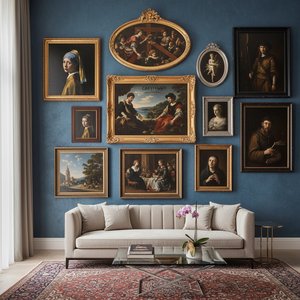
Baroque Painting's Greatest Hits: 10 Masterpieces for Your Home | OriginalUniqueArt
Journey through Baroque painting's glory! Explore 10 masterpieces by Caravaggio, Rembrandt & Vermeer. Discover dramatic lighting, rich colors & timeless stories. Find museum-quality art reproductions for your home at OriginalUniqueArt.com.

Baroko Šedevrai: 10 Menų Simbolių, Apibūdinusių Epoką | OriginalUniqueArt
Atraskite 10 baroko šedevrų, kurie apibrėžė epoką! Karolis Rubenzas, Berninis ir kiti meistrai – jų kūriniai, istorijos bei spalvos. Aukščiausios kokybės dailės reprodukcijos ir interjero įkvėpimas OriginalUniqueArt.com. Išnagrinėkite visą kolekciją internete!
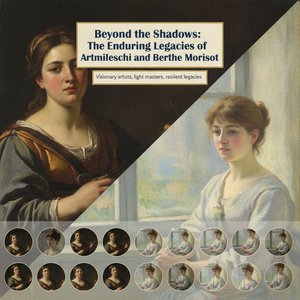
Beyond the Shadows: The Resurgence of Female Masters Artemisia Gentileschi and Berthe Morisot
Explore the profound resurgence of female masters Artemisia Gentileschi and Berthe Morisot. Discover how their revolutionary use of light, shadow, and intimacy redefined art history and continues to inspire sophisticated modern collections.

Baroko Dramatizmas: Elegancijos ir Emocijų Įnešimas į Šiuolaikinius Interjerus
Atraskite baroko dramatiškumą! Meno konsultacijos, rankų darbo reprodukcijos ir patarimai, kaip įnešti eleganciją bei emocijas į jūsų interjerą su OriginalUniqueArt.com. Kokybė garantuota!


