

 Peržiūrėti realaus dydžio版
 Siųsti
 Dalintis
 Išsamiau
 Vadovas

 Atsisiųsti
 Panašūs eksponatai
 Rentgeno spindulių nuotrauka
 Diaporama
 Statistika
Blue Gaze
 Oil On Board
- Expressionist Abstraction
 1910
1910- Modern
 23.0 x 20.0 cm
 Arnold Schönberg Center
 Rodyti daugiau
Giclée / Meno spausdinimas
Muziejų lygio „giclée“ arba drobos spausdinimas: greita gamyba ir lankstios apdailos parinktys. ( Pirkti rankomis tapytą reprodukciją Perejti prie skaitmeninių vaizdų)




P118B €10

P118H €10

P118W €10

P438Z €10

P508JH €12

P508YH €12

P805H €10

P805Z €10

P919BZ €10

P919G €10

P919XJ €10

P959ZH €10

P968JZ €12

W106C €8

W218G €10

W218JH €8

W218Y €10

W307PJ €10

W316G €10

W316PJ €8

W316Y €10

W398PJ €8

W4111J €10

W500HY €15

W500JH €15

W692G €12

W849H €8

W940BG €15

W953PJ €8




Pasirinkite iš mūsų nustatytų dydžių, atitinkančių originalaus meno kūrinio proporcijas.

Įveskite jums reikiamą plotį ir aukštį, kad atvaizdas derėtų prie jūsų rėmo ar sienos. Spausdiną galima tik sumažinti, bet nepadidinti virš originalaus paveikslėlio dydžio, todėl keičiant proporcijas, dalis vaizdo prarandama. Prieš spausdinimą atsiųsime jums skaitmeninį maketą patvirtinimui. Šioje puslapio nuotraukoje matomas pjūvis nėra tikslus – jį rodo tik maketas.
Pristatymas visame pasaulyje () per 2 weeks, o ne įprastas 4/5 savaičių laikotarpis. (21 spalis)

Nemokamas greitasis pristatymas visame pasaulyje

Aukštos kokybės lininis drobė

Pilnas siuntimo draudimas

Muitinės mokesčių grąžinimo garantija

Tikro spalvų atitikimo garantija

100 dienų grąžinimo politika (tik esant įtaigoms)

100% pinigų grąžinimo garantija

Nuolaida dideliems užsakymams
 Stiklo variantas prieinamas tik pasirinkus dydį iki 110 cm

Blue Gaze
Giclée / Meno spausdinimas
Reprodukcijos dydis
-


Visų pasirinktų variantų kaina
€ 70
A Glimpse into the Mind of a Revolutionary: Arnold Schoenberg’s “Blue Gaze”
“Blue Gaze,” painted in 1910 by the titan of musical innovation, Arnold Schoenberg, is more than just a portrait; it's a visceral manifestation of artistic struggle and a testament to the burgeoning power of abstraction. Created during a pivotal period in Schoenberg’s life – a time when he was simultaneously wrestling with the radical new techniques of atonality in music and exploring the uncharted territories of visual expression – this small oil-on-board painting (23 x 20 cm) offers an intimate, unsettling glimpse into his creative process. The work's impact extends beyond its aesthetic qualities, profoundly influencing public perception of Schoenberg himself, as documented by Egon Wellesz’s insightful account.
- Subject: The painting depicts a distorted human face, dominated by an intensely blue gaze.
- Colors: A striking contrast is created between the cool blues and the warm orange hues of the background.
- Dimensions: 23 x 20 cm – a manageable size that belies the profound ideas it contains.
Schoenberg’s foray into painting, driven by an almost obsessive need to translate his musical innovations onto another medium, is remarkable. He abandoned the harmonic structures he had so meticulously crafted in music, seeking instead to capture a raw, emotional essence – a “color vision,” as he termed it. The deliberate distortion of the face suggests a rejection of conventional representation, mirroring the challenges inherent in Schoenberg’s revolutionary musical approach. It's a visual echo of his compositional techniques, pushing boundaries and demanding an active engagement from the viewer.
Technique and Materials: A Window into Schoenberg’s Process
Executed in oil on board, “Blue Gaze” demonstrates Schoenberg’s surprisingly adept skill as a painter. The brushwork is loose and expressive, prioritizing emotional impact over meticulous detail. The layering of orange hues creates an atmospheric depth that complements the intensity of the blue gaze. The choice of oil paint allowed for rich color saturation and blending – crucial elements in conveying the complex emotions Schoenberg sought to capture. This intimate medium reflects his dedication to a direct, unmediated artistic expression.
- Medium: Oil on Board
- Brushwork: Loose and expressive, prioritizing emotional impact.
- Color Palette: Contrasting blues and oranges create a dynamic visual effect.
Historical Context and Symbolism
Painted in 1910, “Blue Gaze” exists within the context of Schoenberg’s groundbreaking musical work – particularly his exploration of atonality. The painting can be interpreted as an attempt to externalize the anxieties and complexities associated with this radical shift in musical thought. The blue gaze itself is a potent symbol: often associated with melancholy, introspection, or even madness, it reflects the internal turmoil that Schoenberg was experiencing during this period. The orange background could represent passion, energy, or perhaps the vibrant hues of his musical imagination.
Furthermore, the painting’s exhibition at Heller’s Art Gallery in 1910 proved to be a watershed moment. It elevated Schoenberg from a composer to a cultural figure, demonstrating the power of abstract art to provoke thought and challenge conventional perspectives – a phenomenon that would continue to shape the 20th century.
Collecting “Blue Gaze”: A Statement of Artistic Appreciation
Today, this remarkable painting is housed at the Arnold Schönberg Center in Vienna. A hand-painted reproduction offers an unparalleled opportunity to own a piece of art history – a tangible connection to one of the most influential composers of all time. This artwork’s evocative power and historical significance make it a compelling addition to any discerning collection, offering both aesthetic pleasure and intellectual stimulation. Its dimensions (23 x 20 cm) make it suitable for a wide range of interior design settings, from small studies to larger living spaces. Code: ART-SCHOENBERG-BLUEGAZE
问答 (or more naturally for a website heading): Klausimai ir atsakymai
Kokia bendra "Blue Gaze" spalvų tonacija – šviesi ar tamsi?
Perceptinio ryškumo prasme, „Blue Gaze“, autorius – Arnoldas Šēnbergas yra bright.
Kuris menininkas ir koks stilius slypi už „Blue Gaze“?
Arnoldas Šēnbergas sukūrė „Blue Gaze“, priklausantį Expressionist Abstraction stiliui.
Kaip judėjimas ir epocha susitinka kūryboje „Blue Gaze“, autorius – Arnoldas Šēnbergas?
„Blue Gaze“ priklauso Expressionist Abstraction krypčiai, o jo kūrėjas dirbo Modernizmas laikotarpiu.
Autoriaus biografija
ankstyvasis gyvenimas ir muzikiniai pradžiai
arnoldas schoenbergas, austro-amerikos kompozitorius, gimė 1874 m. gruodžio 13 d. Vienoje, Austrijoje. Jo ankstyvasis gyvenimas prasidėjo skaudžiai paprastai – jo tėvas buvo suvienukų parduotuvės savininkas. Nepaisant to, prigimta aistra muzikai paskatino schoenbergą daugosi로 savikurti savo žinias šioje srityje.muzikinė evoliucija ir iškilę darbai
schoenbergo ankstyvieji kūriniai, tokie kaip verklärte nacht (1899), rodė brahmsizmo ir wagneriško stiliaus sintezę. Tobulėdamas, jis tapo antrosios vienosios mokyklos pagrindine figūra kartu su antonu webernu ir albanu bergą. Jo kompozicijos, įskaitant strykų kvartetą nr. 2 (1907–1908), erwartung (1909) ir pierrot lunaire (1912), atskleidė jo inovatyvų požiūrį į atonalumą.mokymas, emigracija ir vėlesnio gyvenimo metai
1933 m., nazių prie šios valdžios pakilimo dėl, schoenbergas nusitraukė iš Prusijos meno akademijos, nes jo muzika buvo pavadata „degeneratyva“. Vėliau jis mokė JAV, įskaitant Kalifornijos universiteto Los Angeluose (1936–1944), kurios patalpos įvardijamos jo garbei. [https://OriginalUniqueArt.com/@/arnold-serdenberg](atraskite daugiau apie schoenbergo gyvenimą ir kūrybą OriginalUniqueArt).- schoenbergas tyrinėjo filmų muziką ir rašė daugiau tonalinės muzikos, baigdamas savo kamarinę simfoniją nr. 2 1939 m.
- jis farsavo fašistus tiranus Byrono stiliaus odele napoleonui (1942).
- poatremsio Viena jam suteikė garbės piliebystę, tačiau jis buvo ligas, kaip tai atspindima jo strykų trio (194ng).
palikimas ir įtaka
pasaukui sužinojus apie holokaustą, schoenbergas įamžino jo aukas kūrybinėje a survivor from warsaw (1947). Izraelio konservatorija ir muzikos akademija 1951 m. paskyrė jį garbės prezidentu. [https://OriginalUniqueArt.com/@@/a@d3bqc7-the-museum-destroyed-by-fire-(united-states)](sužinokite daugiau apie jo kūrybos poveikį OriginalUniqueArt). pagrindiniai akcentai:- schoenbergo inovatyvi muzika buvo viena įtakingiausių ir daugiausiai debatuojamų 20-osios amžiaus klasikinės muzikos kūrybos.
- bent trys kompozorių kartos išplėtė jos kiek formalius principus.
- jo estetiniai ir muzikos istoriniai požiūri įtakos muzikologams theodorui w. adornui ir carliui dahlhausui.

Arnoldas Šēnbergas
1874 - 1951 , Austrija
Trumpa informacija apie kūrėją
- Gimimo Data: 1874 m. rugsėjo 13 d.
- Gimimo Vieta: Viena, Austrija
- Meningus Įkvėlusios Šį Artistą Asmenybės:
- Johannes Brahms
- Richard Wagner
- MenなさInis Kryptis Ar Stilius: Dvylika tono technika; Ekspresionizmas
- Mirties Data: 1951 m.
- Tautybė: Austrijo-amerikietis
- Visas Vardas Ir Pavardė: Arnold Schoenberg
- Šį Artistą Įkvėlusios MenなさIniai Kryptys Arba Menininkai:
- Anton Webern
- Alban Berg
- Žinomos Kūriniai:
- Suite, op. 29
- Music Typewriter
- Staffliner
Susiję straipsniai

Oil on Canvas: A Historical & Technical Exploration of a Timeless Artistic Medium
Explore the rich history & enduring techniques of oil painting on canvas. Discover the science behind its longevity, conservation practices, and contemporary relevance. Expert insights for art enthusiasts.

Slate Blue Masterpieces: 10 Iconic Paintings & Timeless Home Decor Ideas
Immerse yourself in the captivating world of slate blue! Explore 10 iconic paintings by Monet, Van Gogh & Renoir. Discover their stories, techniques & find museum-quality art reproductions for your home at .

The Enduring Legacy of Oil on Canvas: Technique, History & Aesthetic Impact
Explore the rich history & techniques of oil painting – from Renaissance masters to Impressionism. Discover pigments, layering methods, and why this timeless medium endures. Expert insights for artists & art enthusiasts.
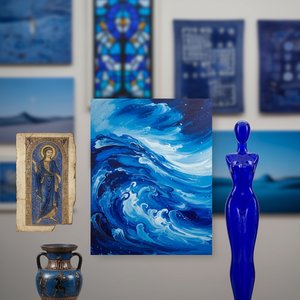
The Allure of Azure: Exploring the Symbolic & Aesthetic Depths of Blue in Art History
Explore the rich history of blue in art! Discover its symbolism, from ancient pigments to modern masterpieces by Kandinsky & Seurat. Uncover the psychological impact and cultural meanings behind this captivating hue.

The Enduring Power of Painting: A Historical & Contemporary Exploration of Form and Emotion
Explore the rich history & enduring techniques of oil painting with OriginalUniqueArt. Discover masterpieces, learn about art collecting, and find authentic handmade reproductions crafted by skilled artists.


