
 Peržiūrėti realybėje
 Pasidalinti
 Dalintis
 Išsamiau

 Atsisiųsti
 Panašūs eksponatai
 Rentgeno nuotrauka
 Automatinė diorama
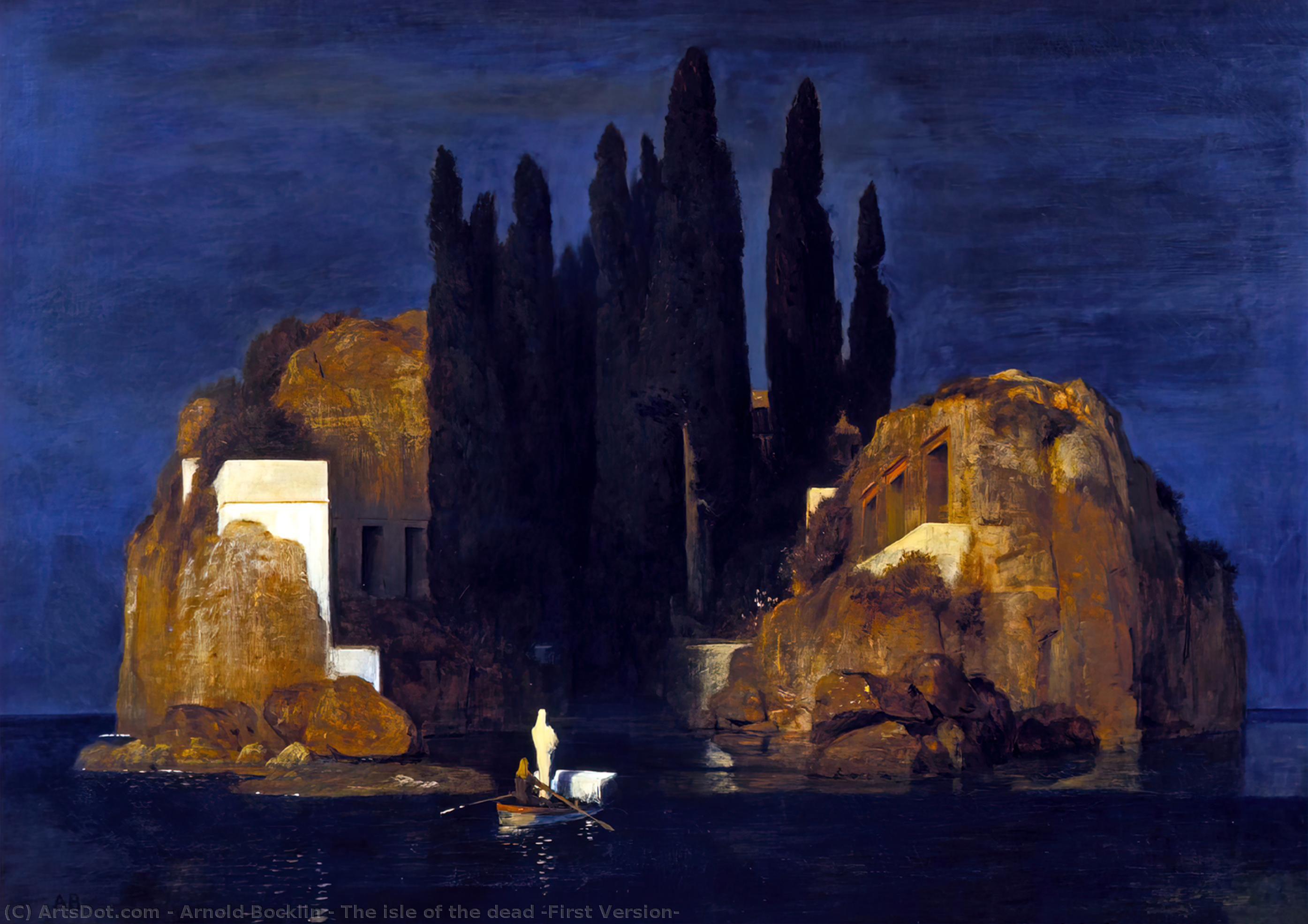
The isle of the dead (First Version)
 Oil On Canvas
- WallArt
- Symbolist Movement
 1880
1880- 19th Century
 111.0 x 155.0 cm
 Kunstmuseum Basel
 Skaityti daugiau
Rankų darbo aliejinės reprodukcijos
Rankiniu būdu tapytas aliejus ant droblio jūsų pageidaujamame dydį ir rėmuose – mūsų menininkų darbas pagal užsakymą. ( Pirkti spaudinį Pirkti vaizdą)




P118B $10

P118H $10

P118W $10

P438Z $10

P508JH $12

P508YH $12

P805H $10

P805Z $10

P919BZ $10

P919G $10

P919XJ $10

P959ZH $10

P968JZ $12

W106C $8

W218G $10

W218JH $8

W218Y $10

W307PJ $10

W316G $10

W316PJ $8

W316Y $10

W398PJ $8

W4111J $10

W500HY $15

W500JH $15

W692G $12

W849H $8

W940BG $15

W953PJ $8




Pasirinkite iš mūsų nustatytų dydžių, atitinkančių originalaus meno kūrinio proporcijas.

Galite įvesti savo matmenis, kad jie atitiktų konkretų rėmą ar erdvę. Jei pasirinktas dydis neatitinka originalaus paveikslėlio proporcijų, mes arba apkropsime meno kūrinį, arba papildysime tapybą rankomis dažytい elementais. Prieš pradėdami gamybą, jūsų patvirtinimui atsiųsime skaitmeninį maketą.
Atkreipkite dėmesį, kad ekrane rodomas vaizdas neatspindi tikrojo apkarpymo ar papildymo. Tik maketas tiksliai parodys galutinę kompoziciją.
Nors galima rinktis ir individualius dydžius, rekomenduojame pasirinkti matmenis iš nustatytos sąrašo, kad būtų išlaikytos originalios proporcijos.
Gavus užsakymą, OriginalUniqueArt.com komanda susisieks su klientu el. paštu dėl instrukcijų ir pateiks maketo pavyzdį.
Pristatymas visame pasaulyje () per 3–4 savaites, o ne įprastai – per 5 savaites. (22 rugpjūtis). Kokybė lieka nepakeičiama.

Nemokamas greitasis pristatymas visame pasaulyje

Aukštos kokybės lininis drobė

Pilnas siuntimo draudimas

Muitinės mokesčių grąžinimo garantija

Tikro spalvų atitikimo garantija

60 dienų grąžinimo politika (tik esant gamyklinėms defektams)

100% pinigų grąžinimo garantija

Nuolaida už kelias reprodukcijas
 Stiklo variantas prieinamas tik pasirinkus dydį iki 110 cm

The isle of the dead (First Version)
Reprodukcijos technika
Reprodukcijos matmenys
-


Galutinė kaina
$ 300
Kūrinio aprašymas
A Journey into the Sublime: The Enigmatic World of Böcklin
In the quiet, shadowed corridors of art history, few images possess the haunting magnetism of Arnold Böcklin’s The Isle of the Dead (First Version). Completed in the early 1880s, this masterpiece serves as a profound gateway into the Symbolist movement, where the artist’s brush seeks not to mirror reality, but to evoke the intangible whispers of the soul. As one gazes upon this monumental canvas, they are immediately transported to a realm of profound stillness and spectral beauty. The scene is dominated by a desolate, rocky islet, rising sharply from dark, turbulent waters like a monument to the eternal. Towering cypress trees, those ancient sentinels of mourning, pierce the heavy atmosphere, their dark silhouettes anchoring the composition in a state of perpetual twilight. It is an immersive experience that invites the viewer to step away from the clamor of the modern world and enter a space of deep, meditative contemplation.
The emotional resonance of the work lies in its masterful use of chiaroscuro—the dramatic interplay between light and shadow. Böcklin employs a meticulous oil painting technique, utilizing smooth gradations of color to create an atmospheric gloom that feels almost tactile. The water, dark and brooding, seems to swallow the light, while the starkness of the rocks provides a sense of unyielding permanence. This technical precision allows for a palpable sense of mystery; every ripple in the water and every shadow cast by the cypress trees contributes to a narrative of solitude and transition. For the collector or interior designer, this painting offers more than mere decoration; it provides a focal point of immense gravity, capable of anchoring a room with its somber elegance and sophisticated depth.
Symbolism and the Voyage of the Soul
Beyond its striking aesthetic, the painting is a rich tapestry of mythological and folkloric references. The lone rowing boat, approaching the shore with a shrouded figure at its helm, serves as a powerful metaphor for the final journey of the deceased. Scholars often draw parallels to the classical myth of Charon, the ferryman of Hades, suggesting that this islet is a destination within the underworld itself. This interpretation imbues the work with a universal weight, touching upon the shared human experience of mortality and the mystery of what lies beyond the veil. The cypress trees, traditionally associated with cemeteries and grief, reinforce this theme of remembrance and the cyclical nature of life and death.
Böcklin himself remained famously elusive regarding his specific intentions, allowing the painting to remain an open vessel for individual interpretation. This ambiguity is precisely what gives the work its enduring power; it is a mirror for the viewer's own emotions, whether they find peace in its stillness or trepidation in its shadows. To possess a high-quality reproduction of this work is to invite a piece of the sublime into one's personal space—a constant reminder of the beauty found in the ephemeral and the profound strength found in silence. It is an ideal acquisition for those who appreciate art that challenges the intellect while deeply stirring the heart.
Autoriaus biografija
ankylas gyvenimas ir mokslas
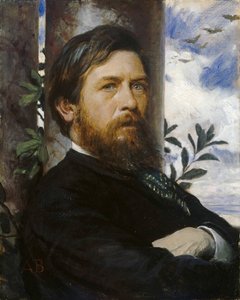
Arnoldas Böcklinis, šveicarių simbolizmo dailininkas, gimė 1827 m. spalio 16 d. Bazely, Šveicarijoje. Jo tėvas, Christian Frederick Böcklin, kilęs iš senios Šafenhauzeno šeimos, užsiėmė šilko prekyba. Arnoldo motina, Ursula Lippe, taip pat kilusi iš to paties miesto. Dailininkas studijavo Diseldorfo akademijoje dirbdamas su Schirmeriu, tapdamas Anselm Feuerbach draugu. Böcklinio kūryba neatsiejama nuo Diseldorfo tapybos mokyklos.meninė karjera ir simbolizmas
Böcklinio meninė kelionė jį vedė per įvairius miestus, įskaitant Paryžių, kur jis dirbo Luvre muziejuje, ir Romą, kur jį įkvėpė tenక matiniai vaizdai. Jo kūrinys dažnai로 atskleidė alegoriškas ir mitologines figūras klasikinės architektūros aplinkoje, nagrinėjant mirties ir žmogiškosios būties prigimtį.- „Didysis parkas“, vienas jo ankstyviausių darbų, pristatė senovės mitologiją.
- „Nimfa ir satiras“ (1858) bei „Safona“ (1859) buvo išskirtiniai šio laikotarpio kūriniai.
- Böcklinio „Mano portretas, kai mirtis groja smuiku“ (1872) tapo jo unikalaus stiliaus pavyzdžiu.
palikimas ir įtaka
Böcklinis geriausiai žinomas dėl penkių savo versijų paveikslų „Mirusioji sala“ (1880–1886), kurie priminė Florencijos anglišką kapinę, kurioje buvo palaikyta jo dukra. Jo kūryba paveikė jaunesnius menininkus, tokius kaip Hans Thoma, ir įkvėpė keletą vėlyvo romantizmo kompozitorių.- Clement Greenbergas apibūdino Böcklinio darbą kaip „vieną iš to laikmečio paryškintų išraiškų“.
- Böcklinio stilius sutapė su prerafaelitais, pabrėžiant sapnų ir mistikos pasaulį.
muziejai ir kolekcijos
Böcklinio kūriniai galima rasti įvairiuose muziejuose, įskaitant:- Öffentliche Kunstsammlung (Bazelis, Šveicarija)
- Kunstmuseum Basel (Šveicarija)
- Museum Kunsthaus Zürich (Zürich, Šveicarija)
Arnoldas Böcklinas
1827 - 1901 , Šveicarija
Trumpa informacija
- Artinis Stilius Ar Kryptis: Simbolizmas
- Artistus, Kurie Paveikė Šį Artistą:
- Schirmer
- Feuerbach
- Gimimo Data: 1827 m. gruodžio 16 d.
- Gimimo Vieta: Bazelis, Šveicarija
- Mirties Data: 1901 m. sausio 16 d.
- Tautybė: Šveicarių
- Visas Vardas Ir Pavardė: Arnold Böcklin
- Šį Artistą Įkvėlusios Menininkai Ar Kryptys:
- Hans Thoma
- Prerafelitai
- Žinomos Kūriniai:
- Mirusiųios salos
- Nimfa ir satiras
- Safona
- Mano portretas
Susiję straipsniai

Echoes of Absence: Loss & Grief in Visual Art Through the Ages
Explore the profound history of grief in art, from Renaissance masterpieces to contemporary expressions. Discover how artists have captured loss, mourning, and mortality through powerful imagery & symbolism. OriginalUniqueArt offers expert insights.
Simbolizmo Deimantai: 10 Menų Šedevrai Jūsų Interjerui
Atraskite simbolizmo meną! Top 10 šedevrų, apibrėžusių judėjimo esmę. Pasinerkite į dailininkų istorijas ir mistines spalvas. Aukštosios kultūros dekoravimas – OriginalUniqueArt.com.
Hieronimo Bošiaus Šedevrai: 25 Išskirtiniai Meno Kūriniai Jūsų Interjerui
Atraskite 25 įspūdingiausius Hieronimo Bošiaus paveikslus! Gilinkitės į renesanso meną, simbolizmą ir viduramžių tapybos paslaptis. Meno reprodukcijos jūsų interjerui – OriginalUniqueArt.com
Iconic Art of the 18th & 19th Centuries: Masterpieces for Your Home | OriginalUniqueArt
Journey through 18th & 19th century art! Explore iconic masterpieces by Monet, Van Gogh & more. Discover the stories behind these timeless paintings and find museum-quality reproductions for your home at OriginalUniqueArt.com.
Thomas Barker of Bath: Landscape Painting & Societal Reflection in Early 19th-Century England
Explore the life & work of Thomas Barker of Bath, a key figure in 19th-century English Romanticism. Discover his Parisian success, iconic paintings like 'The Bride of Death', and lasting artistic legacy. Learn more at OriginalUniqueArt.


