
 Peržiūrėti realaus dydžio版
 Pasidalinti
 Dalintis
 Išsamiau
 Vadovas

 Atsisiųsti
 Panašūs eksponatai
 Rentgeno spindulių nuotrauka
 Automatinė diorama
 Q&A
Q&A Statistika
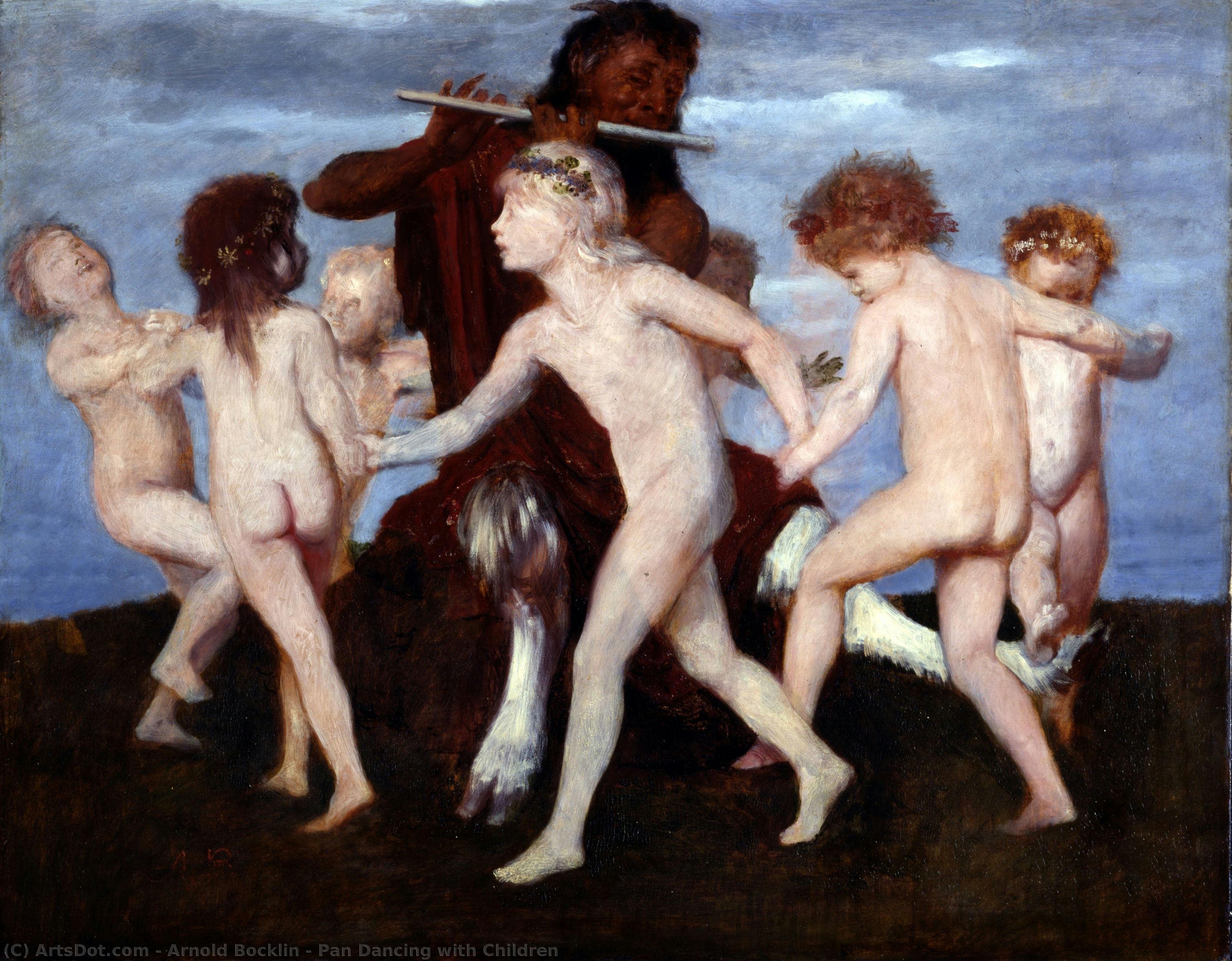
Pan Dancing with Children


 Skaityti daugiau
Giclée / Meno spausdinimas
Muziejų lygio „giclée“ arba drobos spausdinimas: greita gamyba ir lankstios apdailos parinktys. ( Pirkti rankų darbo tapybą Perejti prie skaitmeninių vaizdų)




P118B €10

P118H €10

P118W €10

P438Z €10

P508JH €12

P508YH €12

P805H €10

P805Z €10

P919BZ €10

P919G €10

P919XJ €10

P959ZH €10

P968JZ €12

W106C €8

W218G €10

W218JH €8

W218Y €10

W307PJ €10

W316G €10

W316PJ €8

W316Y €10

W398PJ €8

W4111J €10

W500HY €15

W500JH €15

W692G €12

W849H €8

W940BG €15

W953PJ €8




Pasirinkite iš mūsų nustatytų dydžių, atitinkančių originalaus meno kūrinio proporcijas.

Įveskite jums reikiamą plotį ir aukštį, kad atvaizdas derėtų prie jūsų rėmo ar sienos. Spausdiną galima tik sumažinti, bet nepadidinti virš originalaus paveikslėlio dydžio, todėl keičiant proporcijas, dalis vaizdo prarandama. Prieš spausdinimą atsiųsime jums skaitmeninį maketą patvirtinimui. Šioje puslapio nuotraukoje matomas pjūvis nėra tikslus – jį rodo tik maketas.
Pristatymas visame pasaulyje () per 2 weeks, o ne įprastas 4/5 savaičių laikotarpis. (30 spalis)

Nemokamas greitasis pristatymas visame pasaulyje

Aukštos kokybės lininis drobė

Pilnas siuntimo draudimas

Muitinės mokesčių grąžinimo garantija

Tikro spalvų atitikimo garantija

100 dienų grąžinimo politika (tik esant įtaigoms)

100% pinigų grąžinimo garantija

Nuolaida dideliems užsakymams
 Stiklo variantas prieinamas tik pasirinkus dydį iki 110 cm

Pan Dancing with Children
Giclée / Meno spausdinimas
Reprodukcijos matmenys
-


Bendroji kaina
€ 71
The Enigmatic Dance: Arnold Böcklin’s “Pan Dancing with Children”
Arnold Böcklin's "Pan Dancing with Children," painted around 1884, isn’t merely a depiction of a pastoral scene; it’s an immersion into a realm of mythic beauty and unsettling serenity. This captivating work, currently residing within the Museum Folkwang in Essen, Germany, transcends simple representation, offering instead a profound meditation on childhood innocence, primal connection to nature, and the lingering presence of ancient spirits. Böcklin, a key figure in the Symbolist movement, masterfully employed a muted palette—primarily ochres, browns, and deep greens—to create an atmosphere thick with twilight and dreamlike suggestion. The figures themselves are rendered with a remarkable degree of detail, yet possess an almost ethereal quality, as if caught between worlds.
The painting’s composition is deliberately ambiguous. A central group of nude children, seemingly unburdened by adult concerns, frolic around Pan, the god of the wild, shepherds, and flocks. They are engaged in a variety of activities: playing musical instruments crafted from branches, holding hands in playful circles, and gazing upwards with an expression that blends curiosity and contentment. The inclusion of putti—small winged infants—further enhances the sense of otherworldly grace and innocence. Notice how Böcklin subtly integrates elements of classical mythology – the flute Pan holds is a direct reference to the god’s traditional instrument – alongside the rustic setting, creating a harmonious blend of ancient lore and contemporary observation.
A Glimpse into Symbolist Aesthetics
Böcklin's work firmly establishes him as a pivotal figure in the Symbolist movement, which sought to evoke emotions and ideas rather than simply depict reality. Rejecting the naturalism prevalent in earlier art movements, Symbolists like Böcklin prioritized subjective experience and explored themes of death, memory, and the subconscious. “Pan Dancing with Children” exemplifies this approach through its evocative atmosphere and symbolic imagery. The painting’s muted colors, soft lighting, and dreamlike quality contribute to a sense of melancholy and longing—a feeling that resonates deeply within the viewer.
The choice of nudity is particularly significant. It isn't presented in a provocative manner but rather as an embodiment of primal innocence and connection to nature. The children’s vulnerability underscores their purity, while their joyful dance suggests a liberation from worldly concerns. Böcklin’s meticulous attention to detail—from the texture of the children’s skin to the delicate folds of their clothing—further emphasizes their tangible presence within the scene.
Technique and Materials: A Masterful Blend
While often categorized as a painting, “Pan Dancing with Children” incorporates elements of mixed media. Böcklin skillfully combined oil paints with photographic techniques, creating a unique visual texture that blends the immediacy of photography with the depth and richness of traditional painting. This hybrid approach allowed him to capture fleeting moments of light and shadow, imbuing the scene with an unparalleled sense of realism. The use of layering and glazing—applying thin washes of paint over previous layers—contributes to the work’s luminous quality and creates a subtle interplay of colors.
The artist's background in Düsseldorf, associated with the school known for its emphasis on realistic depiction, is evident in the meticulous rendering of the figures and their surroundings. However, Böcklin departs from traditional academic techniques by prioritizing atmosphere and emotional impact over precise representation. This deliberate shift reflects his commitment to Symbolist principles and his desire to create a work that transcends mere visual observation.
Symbolism and Interpretation: Echoes of Ancient Myths
Beyond its aesthetic qualities, “Pan Dancing with Children” is rich in symbolic meaning. Pan himself represents the untamed spirit of nature—a force both benevolent and potentially dangerous. The children’s dance can be interpreted as a celebration of life, joy, and connection to the natural world. However, there's also an undercurrent of melancholy—a sense that this idyllic scene is fleeting and destined to fade away. The painting subtly evokes themes of mortality and the cyclical nature of time.
The inclusion of ancient myths – Pan’s role as a shepherd god, the presence of putti – connects the work to a broader cultural heritage, suggesting a timeless resonance between humanity and the natural world. Böcklin's masterful use of symbolism invites viewers to engage in their own interpretations, creating a deeply personal and emotionally resonant experience. Reproductions of this iconic artwork continue to captivate audiences with its haunting beauty and profound sense of mystery.
Klausimai ir atsakymai
Ar „Pan Dancing with Children“ – Arnoldas Böcklinas yra ryškus ar tamsus kūrinys?
Perceptinio ryškumo prasme, „Pan Dancing with Children“ – Arnoldas Böcklinas yra balanced.
Kokią vietą meno istorijoje užima „Pan Dancing with Children“ – Arnoldas Böcklinas?
Istoriškai „Pan Dancing with Children“ yra šio platesnio 19th Century laikotarpio Symbolist Painting stiliaus kūrinys.
Koks yra rekomenduojamas „Pan Dancing with Children“ spausdinimo formatas – koks dydis ir orientacija?
Medium dydis, Landscape orientacija: tai rekomenduojamas spausdinimo nustatymas kūriniui „Pan Dancing with Children“ – Arnoldas Böcklinas.
Autoriaus biografija
ankylas gyvenimas ir mokslas
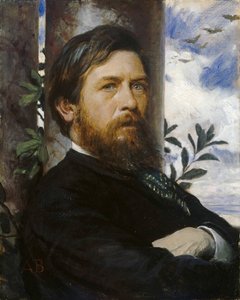
Arnoldas Böcklinis, šveicarių simbolizmo dailininkas, gimė 1827 m. spalio 16 d. Bazely, Šveicarijoje. Jo tėvas, Christian Frederick Böcklin, kilęs iš senios Šafenhauzeno šeimos, užsiėmė šilko prekyba. Arnoldo motina, Ursula Lippe, taip pat kilusi iš to paties miesto. Dailininkas studijavo Diseldorfo akademijoje dirbdamas su Schirmeriu, tapdamas Anselm Feuerbach draugu. Böcklinio kūryba neatsiejama nuo Diseldorfo tapybos mokyklos.meninė karjera ir simbolizmas
Böcklinio meninė kelionė jį vedė per įvairius miestus, įskaitant Paryžių, kur jis dirbo Luvre muziejuje, ir Romą, kur jį įkvėpė tenక matiniai vaizdai. Jo kūrinys dažnai로 atskleidė alegoriškas ir mitologines figūras klasikinės architektūros aplinkoje, nagrinėjant mirties ir žmogiškosios būties prigimtį.- „Didysis parkas“, vienas jo ankstyviausių darbų, pristatė senovės mitologiją.
- „Nimfa ir satiras“ (1858) bei „Safona“ (1859) buvo išskirtiniai šio laikotarpio kūriniai.
- Böcklinio „Mano portretas, kai mirtis groja smuiku“ (1872) tapo jo unikalaus stiliaus pavyzdžiu.
palikimas ir įtaka
Böcklinis geriausiai žinomas dėl penkių savo versijų paveikslų „Mirusioji sala“ (1880–1886), kurie priminė Florencijos anglišką kapinę, kurioje buvo palaikyta jo dukra. Jo kūryba paveikė jaunesnius menininkus, tokius kaip Hans Thoma, ir įkvėpė keletą vėlyvo romantizmo kompozitorių.- Clement Greenbergas apibūdino Böcklinio darbą kaip „vieną iš to laikmečio paryškintų išraiškų“.
- Böcklinio stilius sutapė su prerafaelitais, pabrėžiant sapnų ir mistikos pasaulį.
muziejai ir kolekcijos
Böcklinio kūriniai galima rasti įvairiuose muziejuose, įskaitant:- Öffentliche Kunstsammlung (Bazelis, Šveicarija)
- Kunstmuseum Basel (Šveicarija)
- Museum Kunsthaus Zürich (Zürich, Šveicarija)
Arnoldas Böcklinas
1827 - 1901 , Šveicarija
Trumpa informacija
- Artinis Stilius Ar Kryptis: Simbolizmas
- Artistus, Kurie Paveikė Šį Artistą:
- Schirmer
- Feuerbach
- Gimimo Data: 1827 m. gruodžio 16 d.
- Gimimo Vieta: Bazelis, Šveicarija
- Mirties Data: 1901 m. sausio 16 d.
- Tautybė: Šveicarių
- Visas Vardas Ir Pavardė: Arnold Böcklin
- Šį Artistą Įkvėlusios Menininkai Ar Kryptys:
- Hans Thoma
- Prerafelitai
- Žinomos Kūriniai:
- Mirusiųios salos
- Nimfa ir satiras
- Safona
- Mano portretas
Susiję straipsniai
Timeless Legends: A Curated Guide to the Eternal Allure of Mythological Masterpieces
Embark on a sophisticated journey through the eternal allure of mythological art. Discover how master painters breathe life into ancient legends, from Greek deities to Baroque masterpieces, and learn to curate these timeless narratives within your own exquisite art collection.
Echoes of Olympus: Mythological Narratives in Western Art Through the Ages
Explore the captivating history of mythological narratives in Western art! From ancient Greece to modern masterpieces, discover iconic artworks & symbolism. Expert analysis and high-quality reproductions at OriginalUniqueArt.
Sir Nathaniel Dance-Holland: Portraiture, Patronage & Georgian Identity
Explore the life & art of Sir Nathaniel Dance-Holland, a leading Georgian portraitist. Discover his masterful technique, influential patrons, and lasting impact on 18th-century British society. A guide for discerning collectors.
Move to the Beat: Bold & Iconic Dance Art to Electrify Your Space
Elevate your space with bold, iconic dance art. From street art vibes to Pop Art masterpieces, discover high-impact, hand-painted reproductions and custom commissions designed to move you. Transform your walls with the rhythm of contemporary culture.

Timeless Legends: The Eternal Allure of Mythological Figures in Masterpiece Art
Explore the profound beauty of mythological figures through the lens of art history. From Renaissance masterpieces to custom oil reproductions, discover how legendary tales of heroism and divinity are immortalized in fine art for discerning collectors.
