Perjungti į spausdinamus版作品
 Skaityti daugiau







































 Dėl meno kūrinių ar reprodukcijų, kurių bet kuri pusė yra didesnė nei 105 cm (apie 41 inch), rėmas bus siunčiamas kaip išskaidytas surinkimo rinkinys. Šis metodas užtikrina saugų pristatymą ir apsaugo nuo transportavimo metu galimos žalos.


A Symphony of Petals and Light
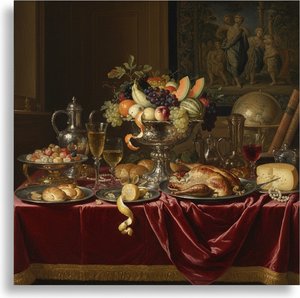
In the quiet splendor of Still Life (2), Anna Elisabeth Ruysch invites us into a world where time seems to suspend itself amidst the delicate arrangement of nature's finest offerings. Created around 1690, this masterpiece serves as a breathtaking testament to the Dutch Golden Age, a period when the mastery of light and texture reached unparalleled heights. The composition centers on a lush bouquet, where roses and carnations emerge from a stately vase with such vitality that one can almost sense the faint fragrance lingering in the air. Each petal is rendered with a meticulous devotion to reality, capturing the soft velvet of a blooming rose alongside the crisp, intricate edges of a carnation. This is not merely a depiction of flora; it is an immersive experience of botanical elegance.
The artist’s technique reveals a profound connection to the scientific precision of her era. Growing up in the household of the renowned botanist Frederik Ruysseb, Anna Elisabeth possessed an eye trained by both art and anatomy. This dual heritage is evident in the way she handles the interplay of light and shadow. The vibrant, rich colors of the flowers are balanced by the subtle, grounded presence of an apple and an orange resting upon the table, adding a sense of weight and earthly permanence to the ephemeral beauty of the blossoms. The brushwork, though incredibly fine, possesses a fluid grace that allows the light to dance across the surfaces, creating a luminous quality that breathes life into every element of the still life.
Symbolism and the Elegance of Permanence
Beyond its surface beauty, the painting carries a profound symbolic weight characteristic of seventeenth-century Dutch art. The arrangement of seasonal flowers, often blooming at different times, serves as a memento mori—a gentle reminder of the fleeting nature of life and the transient beauty of the natural world. Yet, through Ruysch’s masterful hand, this transience is captured and made eternal. The inclusion of ripe fruit suggests abundance and the bounty of the earth, while the opulent gold frame that surrounds the work elevates the subject matter from a simple domestic scene to an object of high prestige and contemplation.
For the discerning collector or interior designer, this artwork offers more than just visual delight; it provides a focal point of sophisticated character. The deep, saturated tones and the classical arrangement make it an ideal centerpiece for spaces that demand a sense of history and luxury. Whether placed in a sunlit morning room to evoke freshness or in a formal study to add a layer of academic depth, Still Life (2) brings with it an atmosphere of quiet dignity. It is a piece that does not merely decorate a wall but enriches the very soul of a room, offering a timeless window into a vanished era of botanical wonder.
Klausimai ir atsakymai
Kokią emociją sukelia „Still Life (2)“ kaip dovana?
„Still Life (2)“ sukelia Calm pojūtį, o rekomenduojamas šio kūrinio regalo tikslas – Anniversary.
Kokio Anna Elisabeth Ruysch kūrybos etapo priklauso „Still Life (2)“ (1690)?
Atsižvelgiant į 1690 datą, kūrinys „Still Life (2)“ priskiriamas Anna Elisabeth Ruysch Mature Period laikotarpiui.
Kur galiu įsigyti „Still Life (2)“ – Anna Elisabeth Ruysch skaitmeninį vaizdą?
Skaitmeninį „Still Life (2)“ – Anna Elisabeth Ruysch vaizdą galima įsigyti šio kūrinio Skaitmeninis vaizdas puslapio skiltyje: aukštos raiškos skaitmeninio vaizdo atsisiuntimas.
Daugiau informacijos apie šį paveikslą
 Peržiūrėti realaus dydžio版
 Pasidalinti
 Dalintis
 Išsamiau
 Vadovas

 Atsisiųsti
 Panašūs eksponatai
 Rentgeno spindulių nuotrauka
 Automatinė diorama
 问答
问答 Statistika