 Perjungti į spausdinamus版作品
 Skaityti daugiau







































 Dėl meno kūrinių ar reprodukcijų, kurių bet kuri pusė yra didesnė nei 105 cm (apie 41 inch), rėmas bus siunčiamas kaip išskaidytas surinkimo rinkinys. Šis metodas užtikrina saugų pristatymą ir apsaugo nuo transportavimo metu galimos žalos.


The Genesis of Illusion: Anish Kapoor’s *Tall Tree & The Eye*
Anish Kapoor's *Tall Tree & The Eye*, a monumental sculpture unveiled in 2009 at the Guggenheim Museum Bilbao, isn’t merely a collection of spheres; it’s an orchestrated illusion, a carefully constructed dialogue between the viewer and their own perception. Born in Mumbai to a Jewish mother and Hindu father – a lineage deeply intertwined with cultural exchange – Kapoor's work consistently grapples with fundamental questions about objecthood, space, and the very nature of seeing. This piece builds upon his earlier explorations of void and non-matter, pushing the boundaries of how we experience form and its relationship to our surroundings. The sculpture’s genesis lies in a desire to move beyond representational art, seeking instead to create experiences that challenge and transform the viewer's understanding of reality.
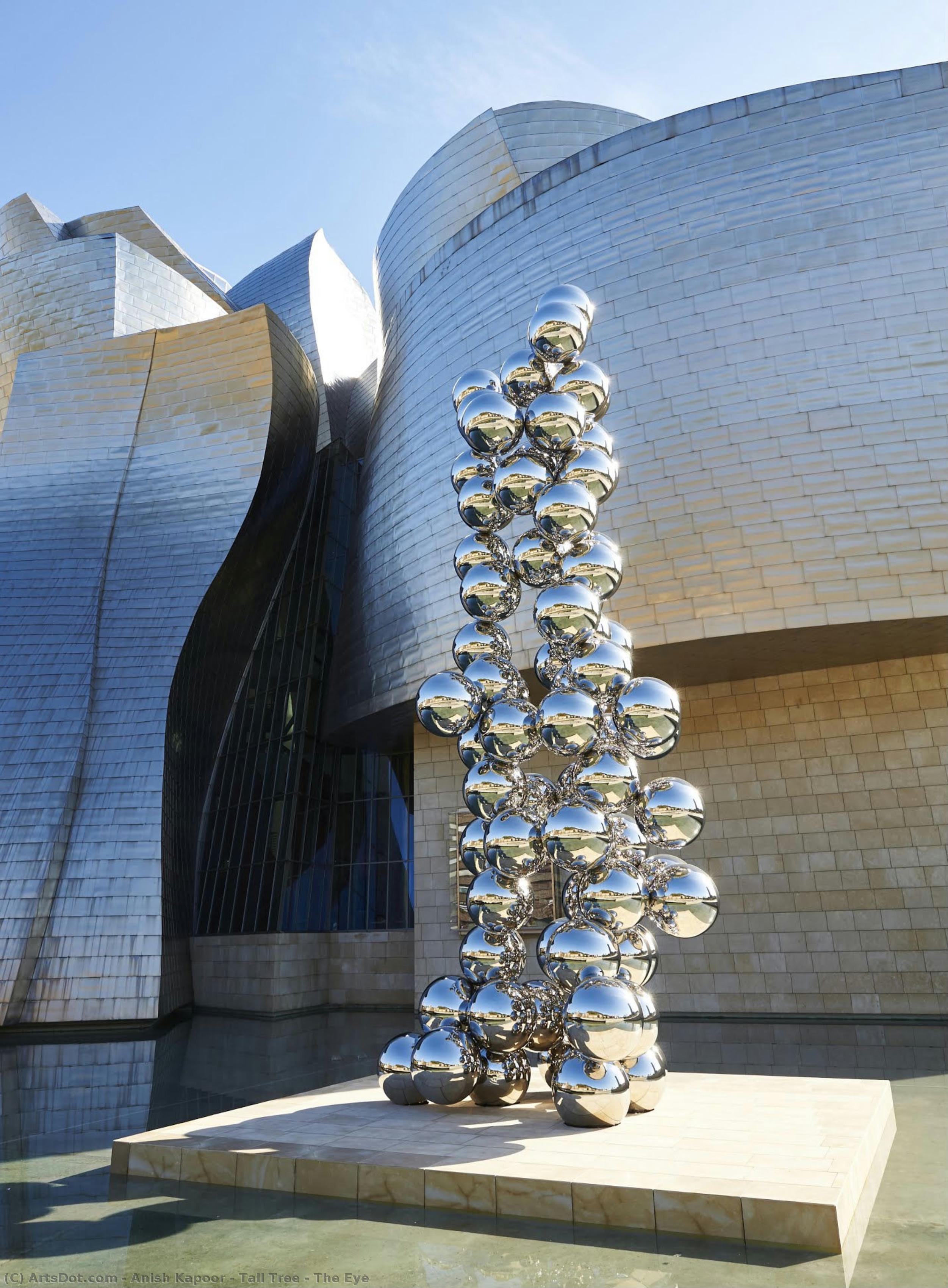
Image: *Tall Tree & The Eye* by Anish Kapoor
The Architecture of Reflection: Form and Material
Kapoor’s masterful manipulation of reflective surfaces is the sculpture's defining characteristic. Seventy-three meticulously crafted spheres, ranging in size from approximately 60cm to over a meter in diameter, are anchored around three distinct axes – a subtle triangulation that subtly guides the viewer’s eye and creates an almost hypnotic effect. Constructed primarily from stainless steel and carbon steel, each sphere is polished to a mirror sheen, reflecting not just the surrounding environment but also the viewer themselves. This mirroring isn't simply decorative; it generates a complex interplay of reflections, creating a sense of infinite depth and dissolving the boundaries between sculpture and space. The arrangement deliberately avoids direct contact between spheres, allowing for a breathtaking visual effect – an illusion of floating, weightless forms suspended in mid-air.
Bilbao’s Echoes: Context and Inspiration
The Guggenheim Museum Bilbao provided the perfect stage for *Tall Tree & The Eye*. Located within the city's revitalized waterfront district, the museum itself is a striking architectural statement by Frank Gehry. Kapoor’s sculpture responds to this context in several ways. Firstly, its reflective surfaces amplify and distort the building’s titanium cladding, creating an ongoing conversation between the two works. Secondly, the sculpture’s placement within the museum's vast interior spaces encourages viewers to contemplate their own position within the artwork – a deliberate engagement with the viewer as an active participant in the experience. The choice of Bilbao, a city undergoing significant cultural and economic transformation, further underscores the work’s themes of perception, reflection, and the shifting nature of reality.
Symbolism and the Human Gaze: A Journey into Self
Beyond its technical brilliance, *Tall Tree & The Eye* is rich in symbolic meaning. The “tree” element evokes notions of growth, aspiration, and connection to the natural world – a deliberate contrast to the cold, industrial material of the spheres. The "eye" represents awareness, observation, and the act of seeing itself. Kapoor’s work consistently invites introspection; by reflecting our own image back at us, it forces us to confront our perceptions and biases. The sculpture isn't simply about what we see *out there*; it’s profoundly about what we see *within ourselves*. The dynamic interplay of reflections creates a sense of disorientation and uncertainty, prompting viewers to question the solidity of their own experience.
A Legacy of Illusion: Kapoor’s Artistic Vision
Anish Kapoor's *Tall Tree & The Eye* stands as a testament to his ongoing exploration of form, space, and perception. Building upon his earlier work with voids and non-matter, this monumental sculpture represents a culmination of decades of artistic inquiry. It is an invitation to lose oneself in the illusion of reflection, to question the nature of reality, and ultimately, to engage in a profound dialogue with one’s own gaze. Reproductions capture only a fraction of the immersive experience, but they offer a powerful reminder of Kapoor's ability to transform the ordinary into the extraordinary.
Klausimai ir atsakymai
Kokia naudojimo paskirtis ir erdvė rekomenduojama kūriniam darbui „Tall Tree & The Eye“ – Anish Kapoor?
Rekomenduojamas naudojimas (Statement) ir erdvė (Hotel Lobby) – tai dvi rekomendacijos, nurodytos kūriniui „Tall Tree & The Eye“ – Anish Kapoor.
Kokiam stiliui priklauso „Tall Tree & The Eye“?
„Tall Tree & The Eye“ yra Contemporary Sculpture stiliaus kūrinys. Šis dailos kryptis nurodo meninę tradiciją, kurios šis darbas yra dalis.
Kokia yra „Tall Tree & The Eye“ – Anish Kapoor spalvų gama?
„Tall Tree & The Eye“ apibūdiną Neutrals paletė, kurioje dominuoja Putty (#c7d9eb).
Daugiau informacijos apie šį paveikslą
 Pasidalinti
 Dalintis
 Išsamiau
 Vadovas

 Atsisiųsti
 Panašūs eksponatai
 Automatinė diorama
 问答
问答 Statistika





