 Ecsalių versija
 Viskas apie Gėlės







































 Dėl meno kūrinių ar reprodukcijų, kurių bet kuri pusė yra didesnė nei 105 cm (apie 41 inch), rėmas bus siunčiamas kaip išskaidytas surinkimo rinkinys. Šis metodas užtikrina saugų pristatymą ir apsaugo nuo transportavimo metu galimos žalos.


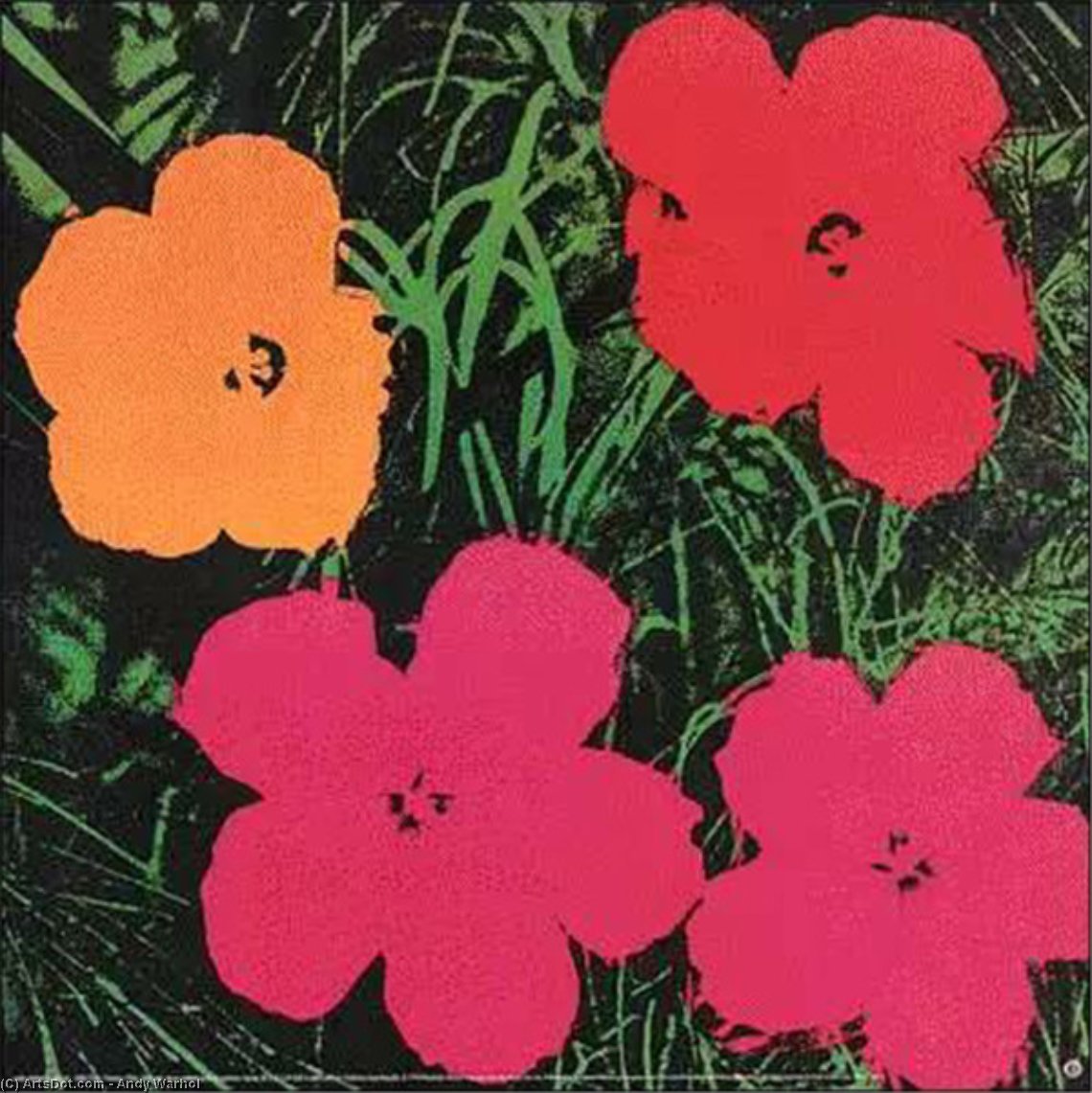
A Burst of Pop: Decoding Andy Warhol’s ‘Flowers’
Andy Warhol's ‘Flowers,’ a series born from his fascination with mass production and the ephemeral beauty of everyday life, stands as one of the most recognizable emblems of the Pop Art movement. More than just pretty pictures, these silkscreen prints are a complex meditation on consumer culture, artistic reproduction, and the very nature of perception. Emerging in 1964, at the height of Warhol’s fame following his iconic portraits of Marilyn Monroe and Campbell's Soup Cans, ‘Flowers’ represented a deliberate shift—or perhaps an expansion—of his artistic concerns. While seemingly simpler in subject matter than his previous work, the series possesses a quiet power that continues to resonate with audiences today.
The Silkscreen Process: A Factory Aesthetic
Warhol's technique was integral to the meaning of ‘Flowers.’ He didn’t approach these images as a traditional painter would. Instead, he embraced the mechanical process of silkscreen printing—a method borrowed from commercial illustration—to create multiples that deliberately blurred the lines between high art and mass-produced objects. The original source image, a black and white photograph of hibiscus flowers taken by Patricia Caulfield for Modern Photography magazine, was transformed through Warhol’s signature layering of vibrant, often unexpected colors. This process wasn't about achieving photographic realism; it was about flattening the image, removing any sense of depth or individual brushstroke, and emphasizing the artificiality inherent in reproduction. The slight misalignments and imperfections that sometimes appear in the prints aren’t flaws but rather hallmarks of the ‘Factory’ aesthetic—a testament to Warhol’s embrace of mechanical processes and collaborative production. The legal battle with Caulfield over copyright further underscores this tension between artistic appropriation and originality, a key theme within Warhol's oeuvre.
Symbolism in Bloom: Beyond Surface Beauty
On the surface, ‘Flowers’ appears to celebrate the simple beauty of nature. However, beneath this veneer lies a more nuanced commentary on American society in the 1960s. The flowers themselves can be interpreted as symbols of fleeting youth, fragile beauty, and the commodification of natural forms. Warhol's choice to depict flowers—a traditional subject for still life painting—was itself a subversive act. By stripping away any sense of sentimentality or artistic skill, he challenged conventional notions of what constituted ‘high art.’ The repetitive nature of the imagery also speaks to the pervasive influence of advertising and mass media in postwar America, where images were endlessly reproduced and circulated. The vibrant, almost artificial colors further emphasize this sense of manufactured beauty, suggesting that even our appreciation of nature is mediated through consumer culture.
A Lasting Legacy: ‘Flowers’ in Contemporary Culture
‘Flowers’ continues to captivate viewers not only for its aesthetic appeal but also for its enduring relevance. The series embodies Warhol's prescient understanding of the changing relationship between art, commerce, and celebrity. Its influence can be seen in countless works by subsequent artists who have explored themes of appropriation, reproduction, and consumerism. Today, a high-quality hand-painted reproduction of ‘Flowers’ offers more than just a decorative addition to a space; it's an invitation to engage with a pivotal moment in art history—a vibrant reminder of the power of images to shape our perceptions and reflect our culture. The artwork’s enduring popularity speaks to its ability to transcend time, remaining as fresh and thought-provoking today as it was over half a century ago.
Klausimai ir atsakymai
Ar šis kūrinys Gėlės yra sukeitintas rankiniu būdu ar atspausdintas?
Ranko darbas: profesionalus pavežėjas rankiniu būdu nukopijuoja Gėlės aliejuje ant lino drobės.
Kokią dydį turėčiau pasirinkti darbui Gėlės?
Dydviai svyra nuo 31.6 x 31.6 cm (€178) iki 239.7 x 239.5 cm (€1843); šioje pusėje pateiktoje lentelėje nurodyti pagrindiniai etapai ir jų kainos.
Kiek trunka pristatymas?
Pristatymas užtruks nuo 4 iki 5 savaičių, naudojant nemokamą ekspresinį siuntimą visame pasaulyje; šioje pusėje taip pat galite rinktis skubios gamybos variantą. Jūs galite grąžinti prekę per 100 dienų ir gauti visą sumokėtą sumą atgal, nepriklausomai nuo bet kokių sąlygų.
Kokia technika buvo naudojama kūriniui Gėlės autoriu Andy Warhol?
Akrilas ant drobės
 Peržiūrėti realaus dydžio版

 Pasidalinti
 Dalintis
 Išsamiau
 Informacinė l lapelė


 Atsisiųsti
 Panašūs eksponatai
 Rentgeno spindulių nuotrauka
 Automatinė diorama
 问答

 Statistika