
 Peržiūrėti realaus dydžio版
 Siųsti
 Dalintis
 Išsamiau
 Vadovas

 Atsisiųsti
 Panašūs eksponatai
 Rentgeno spindulių nuotrauka
 Diaporama
 Statistika
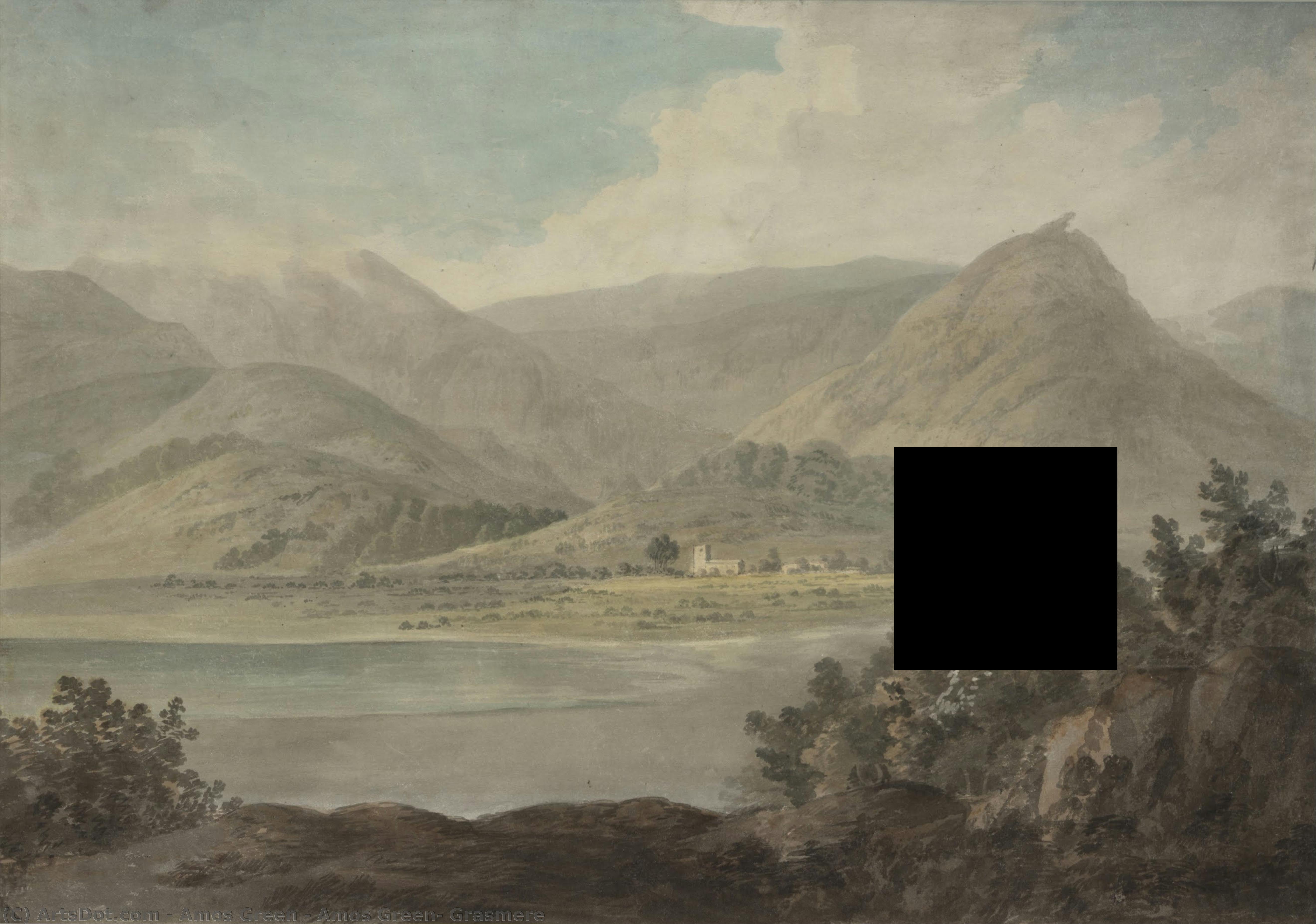
Amos Green, Grasmere
 57.0 x 71.0 cm
 Wordsworth Grasmere
 Rodyti daugiau
Įsigykite aukštos skiriamosios raiškos, patobulintą skaitmeninį vaizdą, gerokai pranašesnį už internetinę peržiūrą.
Kiekvieną failą mūsų specialistai kruopščiai paruošia naudojant pažangias technologijas ir profesionalų rankinį retušavimą. Užtikriname, kad kiekvienas vaizdas pasižymėtų išskirtiniu aiškumu, tikslia spalvų atspalviu ir smulkiomis detalėmis.
Baigiamas failas el. paštu pristatomas per 72 valandas; jis optimizuotas nedelsiant naudojimui profesionalioje, redakcinėje ir spausdinimo aplinkoje. Tai ta pati kokybė, kuria pasitiki aukščiausios klasės dizaino studijos, leidyklos ir galerijos.
Skaitmeninis vaizdas
Atsisiųskite didelės raiškos failą asmeniniam naudojimui, spausdinimui ir kūrybiniams projektams. ( Perjungti į spausdinimą Pirkti rankomis tapytą reprodukciją)
Kiekvieną skaitinio vaizdo užsakymą papildė
Profesionalus skaitmeninis vaizdų pristatymas, garantuotas
Pasirinkę OriginalUniqueArt.com, jūs ne tik gaunate paveikslėlį – jūs gaunate profesionaliai patobudintą skaitmeninį kūrinį, sukurtą itin tikniai ir užtikrinantį pasitenkinimą. Štai viską, kas automatiškai pritékia jūsų užsakymui:

Greitas nuotraukų gavimas el. paštu
Jūsų aukštos raiškos skaitmeninis vaizdo failas bus išsiųstas el. paštu per 72 valandas nuo užsakymo – jis bus paruoštas naudoti be jokių papildomų veiksmų.

Skaitmeninis failas su dirbtiniu intelektu
Jūsų meno kūrinys profesionaliai optimizuojamas naudojant pažangius dirbtinio intelekto įrankius ir rankinį redagavimą, užtikrinant maksimalią detalę, aiškumą ir spalvų tikslumą.

Nemokamas visam laikui pakartotinis siuntimas
Atsitiktinai ištrytikote ar praradote savo failą? Nebijokite – bet kuriuo metu atsiųsime jį jums vėl nemokamai.

Jokio importo mokesčio – niekada
Mėgaukitės savo meno kūriniu akimirka – skaitiniai failai visada yra neapmokestinami, todėl nereikės mokėti muitinės, mokesčių ar pristatymo mokesčių.

Spalvų tikslumo garantija
Naudodami profesionalią įrangą ir spalvų valdymo sistemas, užtikriname, kad jūsų skaitmeninis vaizdas kuo tiksliau atspindėtų originalias spalvas.

100 dienų patikimumo garantija
Jei nebuvosite patenkinti įsigyto skaitmeninio vaizdo, mes jį tališkai koreguosime arba grąžinsime 100% sumą per 100 dienų – be jokių klausimų.

100% pinigų grąžinimo garantija
Nesitenkinate? Gaukite visą sumokėtą sumą per 100 dienų nuo skaitmeninio failo gavimo – be jokių papildomų klausimų.

Nuolaidos dideliems užsakymams
Pirkti 3 nuotraukas – 10% nuolaida – Pirkti 5 – 15% nuolaida – Pirkti 10 ir daugiau – 20% nuolaida. Puikiai tinka kūrybiniams projektams, galerijoms bei agentūroms.
Autoriaus biografija
A Life Dedicated to Nature’s Delicate Beauty: The Story of Amos Green
Amos Green, a name perhaps less celebrated than his contemporaries, nevertheless occupies a fascinating niche in the world of 18th-century British art. Born in 1735 in the modest surroundings of Halesowen, near Birmingham, Green’s artistic journey began not amidst grand academies or wealthy patrons, but within the practical confines of John Baskerville’s printing workshop. This early apprenticeship, while seemingly distant from the world of oils and canvas, instilled a meticulous attention to detail that would become a hallmark of his later work. It was here, surrounded by the precision of typography and design, that Green first began to explore his innate talent for visual representation, initially adorning trays and boxes with decorative motifs before blossoming into a dedicated painter.
Green’s true passion lay in capturing the ephemeral beauty of the natural world – specifically, flowers and fruits. He quickly developed an affinity for still life, but not merely as a technical exercise. His early works reveal a deliberate attempt to emulate the delicate realism of continental masters like Jean-Baptiste Monnoyer, renowned for his lavish floral arrangements, and Jan van Huysum, whose paintings possessed an almost photographic quality. However, Green wasn’t simply copying; he was absorbing their techniques, refining them with his own sensibility, and imbuing his compositions with a distinctly British charm. His specialty became the rendering of vibrant blooms and luscious fruits, often arranged in elegant displays that spoke to both the abundance of nature and the refined tastes of the era.
From Still Life to Landscape: A Broadening Artistic Horizon
As Green matured as an artist, his creative interests expanded beyond the confines of still life. While he continued to produce exquisite floral pieces throughout his career, he increasingly turned his attention towards landscape painting. This transition wasn’t abrupt; it was a natural evolution fueled by a deepening appreciation for the English countryside and a desire to capture its broader vistas. His landscapes, though perhaps less well-known than his still lifes, demonstrate a growing confidence in depicting atmospheric effects and conveying a sense of place. He found success in this new genre, suggesting an adaptability and artistic curiosity that extended throughout his life.
Green’s personal life was marked by strong friendships and a quiet dedication to his craft. His residence at Halesowen fostered connections with prominent figures like the poet William Shenstone and George Lyttelton, both of whom appreciated his artistic talents. However, it was his intimate relationship with Anthony Deane, another neighbor from Hagley, that proved particularly significant. The Deanes welcomed Green into their family, providing him with a stable environment and opportunities to exhibit his work. This close association led to a series of moves – first to Bergholt in Suffolk, then to Clifton near Bristol, and finally to Bath – each location offering new inspiration and artistic challenges.
Exhibitions, Marriage, and Legacy
Green’s commitment to his art was demonstrated through regular participation in exhibitions. He first showcased his talents at the Incorporated Society of Artists in 1760, presenting two paintings of fruit that garnered attention for their meticulous detail and vibrant color palette. He continued to exhibit with the society in subsequent years, establishing a presence within the London art scene. In 1796, at the age of sixty-one, Green married Harriet Lister in Bridlington, marking a new chapter in his life. The couple settled in York, where Green spent his final years sketching and enjoying the tranquility of retirement.
Although he didn’t produce a vast body of work, Amos Green left behind a legacy of exquisite paintings that offer a glimpse into the artistic sensibilities of 18th-century Britain. His ability to capture the delicate beauty of flowers and fruits, combined with his growing skill in landscape painting, established him as a respected artist within his circle. While overshadowed by more famous contemporaries, Green’s work continues to be appreciated for its technical mastery, refined aesthetic, and heartfelt connection to the natural world. Today, his paintings serve as a reminder of the enduring power of observation, the importance of artistic dedication, and the timeless appeal of nature's delicate beauty.

Amos Green
1735 - 1807 , United Kingdom
Pagrindinė informacija
- Full Name: Amos Green
- Nationality: British
- Date Of Birth: 1735
- Date Of Death: 1807
- Place Of Birth: Halesowen, United Kingdom
- Artistic Movement Or Style: Floral & Fruit Painting
- Artists Who Influenced This Artist:
- Monnoyer
- Van Huysum