

 Peržiūrėti realybėje
 Pasidalinti
 Dalintis
 Išsamiau

 Atsisiųsti
 Panašūs eksponatai
 Rentgeno nuotrauka
 Automatinė diorama
 Statistika
A loving couple, altobello melone
 Skaityti daugiau
Giclée / Meno spausdinimas
Muziejų lygio „giclée“ arba drobos spausdinimas: greita gamyba ir lankstios apdailos parinktys. ( Pirkti rankomis tapytą paveikslą Perejti prie skaitmeninio vaizdo)




































Pasirinkite iš mūsų nustatytų dydžių, atitinkančių originalaus meno kūrinio proporcijas.

Galite nurodyti savo matmenis, kad vaizdas atitiktų konkretų rėmą ar erdvę. Jei pasirinktas dydis nesutaps su originalaus paveikslėlio proporcijomis, mes arba apkirpsime kūrinį, arba išplėsime vaizdą naudojant veideliu atspindėtą arba vientisą šoną. Skaitmeninis maketas bus išsiųstas jums patvirtinti prieš pradedant gamybą.
Atkreipkite dėmesį, kad ekrane matomas vaizdinys neatspindi tikrojo apkirpimo ar išplėtimo. Tik maketas tiksliai parodytų galutinę kompoziciją.
Nors galima rinktis ir individualius dydžius, rekomenduojame pasirinkti vieną iš išanksti nustatytų matmenų, kad būtų išlaikytos originalios proporcijos.
Pristatymas visame pasaulyje () per 2 weeks, o ne įprastas 4/5 savaičių laikotarpis. (18 rugsėjis)

Nemokamas greitasis pristatymas visame pasaulyje

Aukštos kokybės lininis drobė

Pilnas siuntimo draudimas

Muitinės mokesčių grąžinimo garantija

Tikro spalvų atitikimo garantija

100 dienų grąžinimo politika (tik esant įtaigoms)

100% pinigų grąžinimo garantija

Nuolaida už kelias reprodukcijas
 Stiklo variantas prieinamas tik pasirinkus dydį iki 110 cm

A loving couple, altobello melone
Giclée / Meno spausdinimas
Reprodukcijos matmenys
-


Galutinė kaina
$ 80
Autoriaus biografija
The Renaissance Visionary of Cremona
In the heart of the Italian Renaissance, amidst the vibrant cultural resurgence of Cremona, the name Altobello Melone emerges as a profound bridge between the harmonious traditions of Lombardy and the burgeoning complexity of Mannerism. Born around 1491, Melone’s early life was shaped by the intellectual currents of his era, particularly the humanist ideals flowing from Ferrara under the influence of Cesare Borgia. This exposure to classical aesthetics provided the foundational bedrock upon which he would build a career defined by both meticulous detail and an expressive, almost restless, grandeur. His artistic journey was not merely a solitary pursuit but a deep immersion into the stylistic evolution of Northern Italy, where the grace of the High Renaissance began to yield to the more dramatic and elongated forms of the later sixteenth century.
The development of Melone’s unique hand is inextricably linked to the mentorship of Girolamo Romanino. It was through this connection that Melone absorbed a sense of monumental scale and an ability to imbue frescoes with a palpable, living energy. While his early training focused on the precision and balanced compositions characteristic of the Lombard school, he gradually moved toward a more sophisticated use of light and shadow. This transition is nowhere more evident than in his mastery of chiaroscuro, a technique that allowed him to sculpt figures out of darkness, lending his religious narratives a sense of profound psychological depth and physical presence.
Masterworks and Monumental Commissions
The true measure of Melone’s legacy lies in the monumental scale of his public works, most notably his ambitious contributions to the Cremona Cathedral. Beginning in December 1516, Melone undertook a massive fresco cycle that sought to surpass the established greatness of Boccaccio Bicentino. This endeavor was more than a mere commission; it was a bold artistic statement that solidified his reputation as a master of large-scale narrative painting. Within these sacred walls, works such as Flight to Egypt (1517) showcase his ability to weave complex symbolism with the tender, humanized depictions of Mary and Joseph, creating scenes that are as much about divine grace as they are about earthly journeying.
Beyond the cathedral, Melone’s oeuvre is scattered across the Lombardy region, leaving behind a trail of masterpieces that continue to captivate the modern eye. His ability to navigate different artistic modes allowed him to produce works of varying emotional intensities:
- The Lamentation: Housed in the prestigious Brera Art Gallery, this work exemplifies his capacity for profound sorrow and dramatic composition.
- Christ Carrying the Cross: A striking example of his 1515 period, where the use of light creates a hauntingly dramatic atmosphere.
- The Road to Emmaus: A vibrant display of his Mannerist tendencies, capturing movement and interaction through a more fluid, expressive lens.
- The Seven Scenes: Adorning the chapel of Saint Lorenzo in Brescia, these frescoes demonstrate his skill in large-scale storytelling and architectural integration.
Legacy and Historical Significance
Altobello Melone did not exist in a vacuum; he was a central node in a dynamic creative network that shaped the Cremonese art scene. Through collaborations with artists like Giovanni Francesco Bembo and Paolo da Drizzona, he helped foster an environment where stylistic innovation could flourish. His influence extended to the next generation of painters, most notably Francesco Prata, who absorbed Melone’s vision of expressive gestures and classical themes. This lineage ensured that the specific nuances of the Cremonese style—a blend of Lombard precision and Mannerist drama—would persist through the sixteenth century.
Today, Melone is remembered not just as a painter of religious devotion, but as a pivotal figure who navigated the transition between two great eras of Italian art. His work remains a testament to a period of intense experimentation, where the stability of the Renaissance was beginning to fracture into the beautiful, distorted, and emotionally charged world of Mannerism. To study Melone is to witness the very moment when the classical ideal met the human impulse for drama, leaving an indelible mark on the history of European painting.
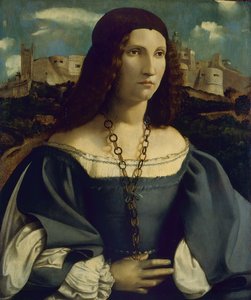
Altobello Melone
1491 - 1543 , Italy
Trumpa informacija
- Artistic Movement Or Style: Lombard & Mannerist
- Artists Or Movements Influenced By This Artist: ['Marcantonio Michiel']
- Artists Who Influenced This Artist:
- Girolamo Romanino
- Francesco Prata
- Date Of Birth: Cremona, Italy (1491)
- Date Of Death: Before 3 May 1543
- Full Name: Altobello Melone
- Nationality: Italian
- Notable Artworks:
- The Lamentation
- Tobias and the Angel
- Flight to Egypt
- Place Of Birth: Cremona