
 Peržiūrėti realybėje
 Pasidalinti
 Dalintis
 Išsamiau

 Atsisiųsti
 Panašūs eksponatai
 Rentgeno nuotrauka
 Automatinė diorama
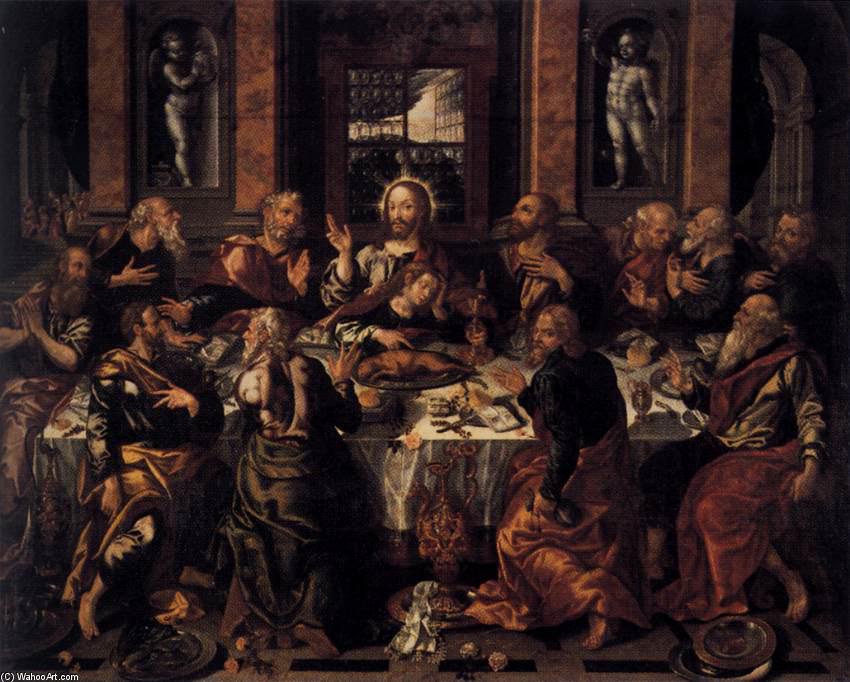
Last Supper


 Skaityti daugiau
Įsigykite aukštos skiriamosios raiškos, patobulintą skaitmeninį vaizdą, gerokai pranašesnį už internetinę peržiūrą.
Kiekvieną failą mūsų specialistai kruopščiai paruošia naudojant pažangias technologijas ir profesionalų rankinį retušavimą. Užtikriname, kad kiekvienas vaizdas pasižymėtų išskirtiniu aiškumu, tikslia spalvų atspalviu ir smulkiomis detalėmis.
Baigiamas failas el. paštu pristatomas per 72 valandas; jis optimizuotas nedelsiant naudojimui profesionalioje, redakcinėje ir spausdinimo aplinkoje. Tai ta pati kokybė, kuria pasitiki aukščiausios klasės dizaino studijos, leidyklos ir galerijos.
Skaitmeninis vaizdas
Atsisiųskite didelės raiškos failą asmeniniam naudojimui, spausdinimui ir kūrybiniams projektams. ( Pirkti spaudinį Pirkti rankomis tapytą paveikslą)
Kiekvieną skaitinio vaizdo užsakymą papildė
Profesionalus skaitmeninis pristatymas, garantuotas
Pasirinkę OriginalUniqueArt.com, jūs ne tik gaunate paveikslėlį – jūs gaunate profesionaliai patobudintą skaitmeninį kūrinį, sukurtą itin tikniai ir užtikrinantį pasitenkinimą. Štai viską, kas automatiškai pritékia jūsų užsakymui:

Greitas siuntimas el. paštu
Jūsų aukštos raiškos skaitmeninis vaizdo failas bus išsiųstas jums el. paštu per 72 valaudas nuo užsakymo – paruoštas naudojimui be jokių papildomų veiksmų.

Skaitmeninis failas su dirbtiniu intelektu
Jūsų meno kūrinys profesionaliai optimizuojamas naudojant pažangius dirbtinio intelekto įrankius ir rankinį redagavimą, užtikrinant maksimalią detalę, aiškumą ir spalvų tikslumą.

Nemokamas visam laikui pakartotinis siuntimas
Atsitiktinai ištrytikote ar praradote savo failą? Nebijokite – bet kuriuo metu atsiųsime jį jums vėl nemokamai.

Jokio importo mokesčio – niekada
Mėgaukitės savo meno kūriniu akimirka – skaitiniai failai visada yra neapmokestinami, todėl nereikės mokėti muitinės, mokesčių ar pristatymo mokesčių.

Spalvų tikslumo garantija
Naudodami profesionalią įrangą ir spalvų valdymo sistemas, užtikriname, kad jūsų skaitmeninis vaizdas kuo tiksliau atspindėtų originalias spalvas.

60 dienų pasitenkinimo garantija
Jei nebuvate patenkinti savo skaitinio vaizdo, per 60 dienų jį pertaisysime arba grąkinsime 100% sumą – be jokių klausimų.

100% pinigų grąžinimo garantija
Nepat 만족inti? Gaukite visą sumokėtą sumą per 60 dienų nuo skaitmeninio failo gavimo – be jokių papildomų klausimų.

Nuolaidos dideliems užsakymams
Pirkti 3 nuotraukas – pasiūla 10% - Pirkti 5 – pasiūla 15% - Pirkti 10 ir daugiau – pasiūla 20%. Puikiai tinka kūrybiniams projektams, galerijoms bei agentūroms.
Autoriaus biografija
A Life Immersed in Sacred Imagery: The World of Alonso Vázquez
Alonso Vázquez, a name perhaps less celebrated than some of his contemporaries, nevertheless occupies a significant niche within the vibrant tapestry of Spanish Renaissance art. Born in Ronda around 1565, his artistic journey unfolded against a backdrop of religious fervor and burgeoning Baroque sensibilities. While biographical details remain somewhat fragmented, we can piece together a portrait of an artist deeply committed to expressing faith through meticulously crafted paintings and sculptures. His early training took place in Seville under the tutelage of Arfian, a master who instilled in him the foundational skills necessary for navigating the demanding world of religious commissions. This apprenticeship wasn’t merely technical; it was an immersion into the iconography and devotional practices that would define his oeuvre. He began with *sargas* – inexpensive paintings on rough canvas – honing his abilities before graduating to more substantial works like frescoes and oil panels, a testament to his growing mastery.From Seville Canvases to Mexican Devotion
Vázquez’s artistic career blossomed primarily in Seville, a city pulsating with religious life and serving as a crucial port for the Spanish Empire. He quickly became sought after for decorating churches and convents, leaving behind a trail of works that, though many are now lost, reveal a distinctive style characterized by emotional intensity and refined technique. The Cathedral of Seville, along with the convents of St. Francis and St. Paul, were among his earliest patrons, providing him with opportunities to explore various themes within Christian narrative. A particularly noteworthy series of canvases depicted the life of Saint Raymond, commissioned for the cloister of the Order of Mercy. These paintings weren’t simply illustrations; they were intended to inspire piety and evoke a sense of empathy in viewers. Beyond these devotional works, Vázquez also contributed his talents to grand public displays, notably participating in the creation of an elaborate *catafalque* – a funerary monument – erected in Seville Cathedral following the death of Philip II. This undertaking demonstrates not only his technical skill but also his standing within the artistic community. The circumstances surrounding his later life are shrouded in some mystery; it is believed he traveled to Mexico, likely around the turn of the 17th century, where he continued to practice his art until his death, probably around 1608.Influences and Artistic Development
Pinpointing specific influences on Vázquez’s style proves challenging, as his work represents a synthesis of various currents prevalent in Spanish Renaissance painting. The influence of Italian Mannerism is discernible in the elegant elongation of figures and the sophisticated use of color, yet he also absorbed elements from Flemish realism, evident in the meticulous detail and naturalistic rendering of textures. However, it’s perhaps more accurate to view Vázquez as a transitional figure, bridging the gap between the High Renaissance and the emerging Baroque style. His paintings gradually moved away from the idealized forms of earlier Renaissance masters towards a greater emphasis on emotional expression and dramatic lighting – hallmarks of the Baroque aesthetic. This shift is particularly noticeable in his later works, where he employed bolder compositions and more dynamic brushwork to convey a sense of spiritual fervor.Themes and Techniques: A Language of Faith
The overwhelming majority of Vázquez’s surviving work revolves around religious themes – scenes from the lives of saints, depictions of the Virgin Mary, and representations of Christ's Passion. He wasn’t interested in groundbreaking innovation; rather, he sought to communicate established theological narratives with clarity and emotional resonance. His technique was characterized by a remarkable attention to detail, particularly evident in the rendering of fabrics, facial expressions, and architectural settings. He possessed a masterful command of oil painting, utilizing layers of glazing to create luminous effects and subtle gradations of color. While his frescoes demonstrate a more direct approach, they nonetheless reveal a sensitivity to form and composition. His use of symbolism was deliberate and nuanced, drawing upon established iconographic traditions to reinforce the devotional message of his paintings. He often employed specific colors – blue for Mary’s purity, red for Christ's sacrifice – to enhance the emotional impact of his work.Historical Significance and Legacy
Although not as widely recognized as some of his contemporaries like El Greco or Zurbarán, Alonso Vázquez played a crucial role in shaping the artistic landscape of Seville during a period of significant religious and cultural change. His paintings served as powerful tools for reinforcing Catholic doctrine and inspiring piety among the faithful.- His work exemplifies the transition from Renaissance classicism to Baroque emotionalism.
- He contributed significantly to the decorative programs of numerous churches and convents in Seville, leaving behind a lasting legacy within the city’s artistic heritage.
- His later activities in Mexico suggest his involvement in disseminating Spanish religious art throughout the New World.

alonso vázquez
1565 - 1608
Trumpai apie šį kūrėją
- Artistic Movement Or Style: Renaissance
- Artists Or Movements Influenced By This Artist: ['Italian Renaissance']
- Artists Who Influenced This Artist:
- Luis de Vargas
- Antonio de Arjián
- Date Of Birth: ca. 1565
- Date Of Death: ca. 1608
- Full Name: Alonso Vázquez
- Nationality: Spanish
- Notable Artworks:
- St Raymond Paintings
- Great Catafalque
- Place Of Birth: Ronda, Spain

