
 Peržiūrėti realaus dydžio版
 Siųsti
 Dalintis
 Išsamiau
 Vadovas

 Atsisiųsti
 Panašūs eksponatai
 Rentgeno spindulių nuotrauka
 Diaporama
 Statistika
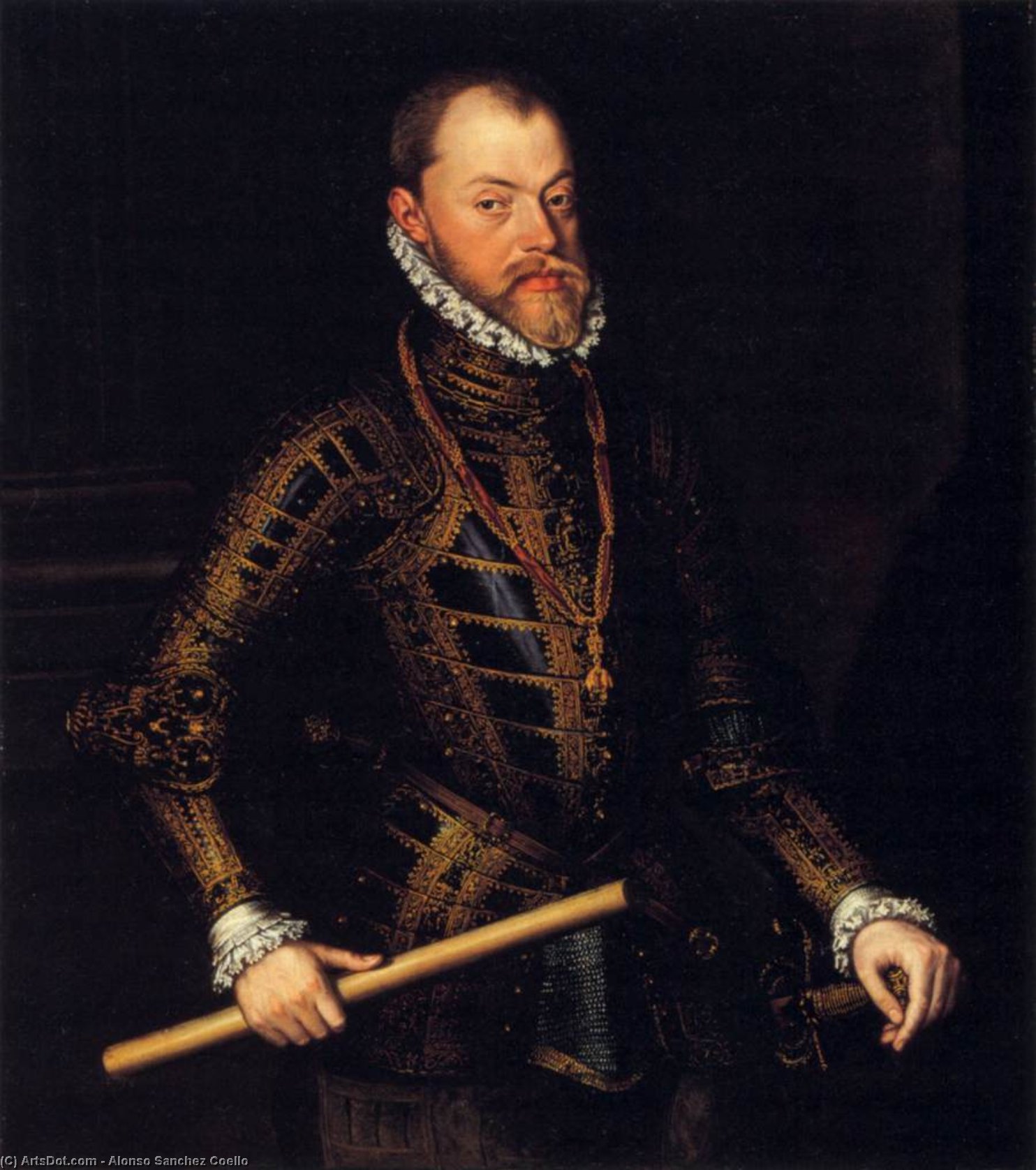
Philip II
 Oil
Oil- WallArt
- Spanish Renaissance
 1570
1570- Early Modern
 115.0 x 93.0 cm
 Pollok House
 Rodyti daugiau
Giclée / Meno spausdinimas
Muziejų lygio „giclée“ arba drobos spausdinimas: greita gamyba ir lankstios apdailos parinktys. ( Pirkti rankomis tapytą reprodukciją Perejti prie skaitmeninių vaizdų)




P118B €10

P118H €10

P118W €10

P438Z €10

P508JH €12

P508YH €12

P805H €10

P805Z €10

P919BZ €10

P919G €10

P919XJ €10

P959ZH €10

P968JZ €12

W106C €8

W218G €10

W218JH €8

W218Y €10

W307PJ €10

W316G €10

W316PJ €8

W316Y €10

W398PJ €8

W4111J €10

W500HY €15

W500JH €15

W692G €12

W849H €8

W940BG €15

W953PJ €8




Pasirinkite iš mūsų nustatytų dydžių, atitinkančių originalaus meno kūrinio proporcijas.

Įveskite jums reikiamą plotį ir aukštį, kad atvaizdas derėtų prie jūsų rėmo ar sienos. Spausdiną galima tik sumažinti, bet nepadidinti virš originalaus paveikslėlio dydžio, todėl keičiant proporcijas, dalis vaizdo prarandama. Prieš spausdinimą atsiųsime jums skaitmeninį maketą patvirtinimui. Šioje puslapio nuotraukoje matomas pjūvis nėra tikslus – jį rodo tik maketas.
Pristatymas visame pasaulyje () per 2 weeks, o ne įprastas 4/5 savaičių laikotarpis. (24 spalis)

Nemokamas greitasis pristatymas visame pasaulyje

Aukštos kokybės lininis drobė

Pilnas siuntimo draudimas

Muitinės mokesčių grąžinimo garantija

Tikro spalvų atitikimo garantija

100 dienų grąžinimo politika (tik esant įtaigoms)

100% pinigų grąžinimo garantija

Nuolaida dideliems užsakymams
 Stiklo variantas prieinamas tik pasirinkus dydį iki 110 cm

Philip II
Giclée / Meno spausdinimas
Reprodukcijos dydis
-


Visų pasirinktų variantų kaina
€ 70
The Majesty of Sovereignty: A Glimpse into the Spanish Golden Age
In the profound stillness of Alonso Sánchez Coello’s 1570 portrait, Philip II emerges not merely as a man, but as the very embodiment of imperial authority. To gaze upon this masterpiece is to step through a portal into the heart of the sixteenth-century Spanish Court, where every brushstroke serves to reinforce the divine right of kings. The subject stands with a commanding presence, his gaze steady and resolute, framed by the intricate textures of a period defined by opulence and rigid social hierarchy. As a premier court painter, Coello possessed the rare ability to capture the weight of a crown without the need for a literal diadem, using instead the subtle language of posture and attire to communicate power.
The composition is a masterclass in focused intensity. By utilizing a deep, somber background, Coello ensures that the viewer’s eye is immediately drawn to the luminous details of the monarch's personage. The play of light across the ruffled collar—a hallmark of Renaissance aristocratic fashion—creates a rhythmic interplay of shadow and brilliance, highlighting the meticulous craftsmanship of the textile. This technique, which blends the objective precision of the Flemish tradition with a certain Venetian warmth, allows the textures of the fabric and the sheen of the steel to feel almost tactile, inviting the observer to appreciate the material wealth of the era.
Symbolism and the Art of Presence
Every element within this portrait is a deliberate symbol of the Spanish Empire's zenith. The sword held by Philip II is far more than a mere accessory; it is a potent signifier of his role as the defender of the faith and the arbiter of justice across vast territories. It introduces an element of latent strength into the composition, suggesting that beneath the refined elegance of his suit lies the iron will required to govern a global superpower. The meticulous rendering of his beard and mustache further emphasizes a mature, seasoned leadership, projecting an image of stability and wisdom to both contemporary subjects and modern viewers alike.
For the discerning collector or interior designer, this piece offers more than just historical interest; it provides a profound emotional anchor for any space. The painting exudes a sense of timeless dignity and quiet confidence. When placed within a curated collection or as a focal point in a sophisticated study, the portrait commands respect and fosters an atmosphere of intellectual depth. It is a work that does not shout for attention but rather earns it through its sheer, understated gravity, making it an ideal selection for those looking to infuse their environment with the grandeur of classical European history.
A Legacy Captured in Oil
The technical brilliance of Alonso Sánchez Coello lies in his ability to balance the individual's humanity with the iconographic requirements of royalty. Through a sophisticated use of chiaroscuro, he sculpts the features of Philip II, giving the face a three-dimensional vitality that has endured for centuries. This mastery of light and shadow ensures that the portrait remains dynamic, shifting in character as the ambient light of a room changes throughout the day. It is this enduring quality—this ability to breathe life into the pigments—that makes a high-quality reproduction of this work such a captivating investment for lovers of fine art.
Owning a piece that echoes the splendor of the Spanish Golden Age allows one to participate in a long tradition of aesthetic appreciation. Whether you are drawn to the historical narrative of the Habsburg dynasty or the exquisite technical execution of the Renaissance masters, this portrait serves as a window into a world of unparalleled elegance. It is an invitation to surround oneself with the echoes of greatness, bringing the sophisticated soul of the sixteenth century into the contemporary home.
问答 (or more naturally for a website heading): Klausimai ir atsakymai
Kur galiu įsigyti rankinio darbo „Philip II“, autorius – Alonso Sánchez Coello reprodukciją?
„Philip II“ galima įsigyti kaip rankomis dažyta aliejų reprodukcija ant lininio drobos. Užsakymą galite padaryti atskiroje Rankų darbo reprodukcija puslapio, pasirinkę tinkamą dydį.
Ar „Philip II“, autorius – Alonso Sánchez Coello vaizdą galima laisvai reprodukcijaoti?
Autorių teisių statusas kūriniui „Philip II“, autorius – Alonso Sánchez Coello: kūrinys priklauso pripa принадле belongs to the public domain – jo autorinė teisė pasibaigusi. Tai nulemia, ar galima laisvai reprodukciuoti šį vaizdą.
Kam „Philip II“, autorius – Alonso Sánchez Coello būtų tinkama dovana?
„Philip II“, autorius – Alonso Sánchez Coello rekomenduojamas kaip dovana Corporate Gift, ypač Focal. Šio kūrinio reprodukciją galima padovanoti kaip supraptingą prezentą.
Autoriaus biografija
Pradiniai metai ir mokslas
- Gimė: Benifaió, Ispanija (1531 m.)
- Vaikystę praleido netoli Valensijos, kol mirė jo tėvas.
- Apie 1541/4lyksnius metus persikėlė į Portugaliją gyventi su seneliu, kuris buvo Portugalijos monarchų tarnas ir bajoras.
- Apie 1550 m. Flandrijose studijavo su Anthonis Mor (Antonio Moro).
- Gavo globą iš Arraso vyskupo Antoine de Granville, kuris taip pat buvo Moro globėjas.
Karjera Ispanijos karališkajame dvare
- Dirbo Portugalijos karališkoji šeima, o vėliau – Portugalijos kunigaikščio João Manuele dvare.
- 1555 m. persikėlė į Ispanijos Filipo II dvarą, rekomenduotas Juanos, Filipo II sesries.
- 1560 m. tapo karališkųjų dvarų paveiksluotoju.
- Apie 1560/61 m. susiženiavo su Louisa Reyaltes, sidabrininko dukra.
- Jo dukra, Isabel Sánchez, taip pat tapo paveiksluotoja ir padėdavo savo tėvo dirbtuvėse.
- Kartu su dvaru persikėlė į Toledo, o 1ng 1561 m. įsikūrė Madride.
Meninio stilius ir įtaginiai veiksniai
- Stilius: Sujungė flamandų objektyvumą su venecijos sensualumu.
- Įtaginiai veiksniai: Pagrindinį įtaką darė Anthonis Mor ir Titianas.
- Nuo Moro išmokėjo tikslumą.
- Nuo Titiano įsisavino venecijos aukso tonus, gebėjimą kurti prabangias detales ir šviesos naudojimą.
- Žinomas dėl portretų, pasižyminčių lengva poza, oru, sausumu ir spalvų šiluma.
Didieji darbai ir pasiekimai
- Kūrė tiek portretus, tiek religinius paveikslus.
- Religiniai darbai buvo konvencionalūs, tačiau demonstravo asketišką stilių.
- Žinomieji portretai:
- Filipas II laikantis rožanencį (1573 m.)
- Infantės Isabel Clara Eugenia portretai (1571 m.)
- Serija paveikslų, vaizduojančių Filipo II vaikus.
- Infantų Isabella Clara Eugenia ir Catalina Micaela dvilapis portretas (1568–9 m.).
- Sukurė religinius paveikslus El Escorial monasterijui.
- Sukūrė Sevilijos uosto topografinį vaizdą.
Paliktis ir istorinė reikšmė
- Jo reputacija kaip portretininko buvo sudėtinga dėl daugybės kopijų ir imitacijų.
- Lai considered kaip svarbi Ispanijos Renesanso meno figūra, ypač dėl savo dvaro portretų.
- Jo darbai paveikė vėlesnius menininkus, įskaitant Velázquezą, ypač tekstūrų, tokių kaip plėšrinės ir audinių, vaizdymą.
- Mirė Madride 1588 m. rugpjūčio 8 d.

Alonso Sánchez Coello
1531 - 1588 , Ispanija
Trumpa informacija apie kūrėją
- Artinis Judėjimas Arba Stilius: Ispanų renesansas
- Gimimo Data: apie 1531 m.
- Gimimo Vieta: Benifaió, Ispanija
- Menininkai, Kurie Paveikė Šį Menininką:
- Anthonis Mor
- Tizianas
- Mirties Data: 1588 m.
- Tautybė: Iberų
- Visas Vardas Ir Pavardė: Alonso Sánchez Coello
- Šio Meno Autoriaus Paveikę Buvę Menininkai Arba Judėjimai:
- Juan Pantoja de la Cruz
- Felipe de Liaño
- Žinomos Kūriniai:
- Filipas II su rožanija
- Lėja portretas
- Austrijos Ana
- Austrijos Don Žanas
- Austrijos karalienė Katalina
Susiję straipsniai

Mastering the Shadows: A Journey Through the Chiaroscuro and Soul of Iconic Spanish Painting
Embark on a sophisticated exploration of Spanish art history, from the chiaroscuro mastery of Velázquez to the profound shadows of Goya. Discover how the dramatic light and emotional depth of Spain's greatest masters continue to inspire collectors and connoisseurs today.
Diego Velázquez: Master of the Spanish Golden Age – Technique, Influence & Courtly Portraiture
Explore the life & work of Diego Velázquez, master of the Spanish Golden Age. Discover his innovative techniques, iconic paintings like Las Meninas, and lasting influence on art history. Expert insights for collectors.
Rafael de Penagos: A Study in Spanish Portraiture & Artistic Identity
Explore the life & art of Rafael de Penagos, a leading Spanish Art Deco illustrator. Discover his iconic 'Penagos Woman', commercial work, and lasting legacy. Learn about this pivotal figure in 20th-century Spanish art history.
The Golden Age Reforged: Dramatic Realism & Religious Zeal in Spanish Baroque Art
Explore the dramatic world of Spanish Baroque art! Discover masters like Zurbarán & the powerful influence of religious zeal on painting techniques – a guide for collectors and enthusiasts.
Prado Šedevrai: Top 25 Tapybų Kūriniai, Įkvėpę Kartas | OriginalUniqueArt
Atraskite 25 ikoniškus Prado muziejaus šedevrus! Goya, Velázquez ir El Greco kūriniai – istorijos, stiliai, įkvėpimas jūsų interjerui. Meno reprodukcijos aukščiausia kokybe OriginalUniqueArt.com