

 Peržiūrėti realaus dydžio版
 Siųsti
 Dalintis
 Išsamiau
 Vadovas

 Atsisiųsti
 Panašūs eksponatai
 Rentgeno spindulių nuotrauka
 Diaporama
 Statistika
DAVID WEMYSS, LORD ELCHO


 Rodyti daugiau
Giclée / Meno spausdinimas
Muziejų lygio „giclée“ arba drobos spausdinimas: greita gamyba ir lankstios apdailos parinktys. ( Pirkti rankomis tapytą reprodukciją Perejti prie skaitmeninių vaizdų)




P118B €10

P118H €10

P118W €10

P438Z €10

P508JH €12

P508YH €12

P805H €10

P805Z €10

P919BZ €10

P919G €10

P919XJ €10

P959ZH €10

P968JZ €12

W106C €8

W218G €10

W218JH €8

W218Y €10

W307PJ €10

W316G €10

W316PJ €8

W316Y €10

W398PJ €8

W4111J €10

W500HY €15

W500JH €15

W692G €12

W849H €8

W940BG €15

W953PJ €8




Pasirinkite iš mūsų nustatytų dydžių, atitinkančių originalaus meno kūrinio proporcijas.

Įveskite jums reikiamą plotį ir aukštį, kad atvaizdas derėtų prie jūsų rėmo ar sienos. Spausdiną galima tik sumažinti, bet nepadidinti virš originalaus paveikslėlio dydžio, todėl keičiant proporcijas, dalis vaizdo prarandama. Prieš spausdinimą atsiųsime jums skaitmeninį maketą patvirtinimui. Šioje puslapio nuotraukoje matomas pjūvis nėra tikslus – jį rodo tik maketas.
Pristatymas visame pasaulyje () per 2 weeks, o ne įprastas 4/5 savaičių laikotarpis. (24 spalis)

Nemokamas greitasis pristatymas visame pasaulyje

Aukštos kokybės lininis drobė

Pilnas siuntimo draudimas

Muitinės mokesčių grąžinimo garantija

Tikro spalvų atitikimo garantija

100 dienų grąžinimo politika (tik esant įtaigoms)

100% pinigų grąžinimo garantija

Nuolaida dideliems užsakymams
 Stiklo variantas prieinamas tik pasirinkus dydį iki 110 cm

DAVID WEMYSS, LORD ELCHO
Giclée / Meno spausdinimas
Reprodukcijos dydis
-


Visų pasirinktų variantų kaina
€ 70
A Portrait of Nobility: Allan Ramsay’s David Wemyss, Lord Elcho
Allan Ramsay's “David Wemyss, Lord Elcho” is more than just a painted likeness; it’s a carefully constructed tableau of 18th-century Scottish aristocracy, imbued with the formality and restrained emotion characteristic of his era. Completed around 1775, this oil on canvas portrait captures David Wemyss, Lord Elcho, a prominent figure in Jacobite circles and a man defined by both privilege and turbulent history. The painting immediately draws the eye with its rich palette – deep reds and browns dominate, offset by creamy whites and subtle golds – creating an atmosphere of dignified opulence that speaks to the subject’s status and wealth.
Ramsay's skill lies not merely in replicating appearance but in conveying character. Lord Elcho is presented in a three-quarter pose, his gaze direct and unwavering, establishing an immediate connection with the viewer. His posture exudes confidence, yet there’s also a hint of melancholy in his expression, perhaps reflecting the political turmoil that defined his life. The artist masterfully employs soft lines to define the contours of the face and clothing, avoiding harsh outlines and instead creating a sense of gentle realism. Notice how the folds of his coat and cravat aren't simply rendered; they’re sculpted with subtle shading, adding depth and texture that bring the portrait to life.
The Context of Power and Rebellion
To fully appreciate “David Wemyss, Lord Elcho,” it’s crucial to understand its historical context. The late 18th century in Scotland was a period of intense political unrest, fueled by aspirations for restoring the Stuart monarchy. Lord Elcho, as a Jacobite supporter, played a significant role in this movement, raising his own troop of cavalry – the “Lifeguards” – which became renowned for their bravery and effectiveness during the 1745 Rising. The portrait itself is therefore inextricably linked to this era of rebellion and loyalty, serving as a visual testament to a man caught between duty and ambition.
Further research reveals that Lord Elcho’s life was marked by both success and tragedy. He initially rose through the ranks of the army, earning recognition for his military prowess. However, following the disastrous defeat at Culloden in 1746, he fled to Europe and faced imprisonment and exile. The painting, therefore, can be viewed as a poignant reminder of a life cut short by political upheaval – a man whose legacy is intertwined with both glory and loss.
Symbolism and Artistic Technique
Ramsay’s technique is rooted in the traditions of 18th-century portraiture, yet he infuses it with his own distinctive style. The lighting, diffused and soft, illuminates Lord Elcho's face and upper body while leaving the background shrouded in shadow, creating a dramatic focal point and emphasizing the subject’s presence. The use of color is particularly noteworthy; the rich reds and browns evoke notions of power, wealth, and nobility, while the lighter tones suggest refinement and elegance.
Beyond mere representation, Ramsay employs subtle symbolism to enhance the portrait's meaning. The elaborate attire – the richly colored coat, the ornate cravat, and the powdered wig – are all indicators of Lord Elcho’s social standing and status within Scottish society. The composition itself, with its balanced arrangement and direct gaze, reinforces his authority and confidence. It is a carefully considered image designed to project an aura of power and dignity.
A Timeless Masterpiece for the Home
“David Wemyss, Lord Elcho” remains a captivating work of art, offering a glimpse into a pivotal moment in Scottish history and showcasing the exceptional talent of Allan Ramsay. Reproductions of this portrait are highly sought after by collectors and interior designers alike, providing a touch of elegance and historical gravitas to any space. Its rich colors, masterful composition, and evocative subject matter make it a truly timeless masterpiece – a testament to the enduring power of art to capture both the outward appearance and inner character of its subjects.
问答 (or more naturally for a website heading): Klausimai ir atsakymai
Atsižvelgiant į spalvų paletę, kur rekomenduojama eksponuoti kūrinį „DAVID WEMYSS, LORD ELCHO"]?
Dėl savo Earthy paletės, „„DAVID WEMYSS, LORD ELCHO“, autorius – Alanas Ramsėjus“ rekomenduojamas Living Room. Spalvų derinys yra viena iš šios rekomendacijos priežasčių.
Kur galima pamatyti originalą „DAVID WEMYSS, LORD ELCHO“, autorius – Alanas Ramsėjus?
Originalus kūrinys „DAVID WEMYSS, LORD ELCHO“, autorius – Alanas Ramsėjus saugomas Liuvro muziejus, Paris, France muziejuje. Kopija leidžia šį darbinį eksponuoti namuose.
Kokia atmosferą sukelia „DAVID WEMYSS, LORD ELCHO“?
Darbą „DAVID WEMYSS, LORD ELCHO“, autorius – Alanas Ramsėjus apibūdina Elegant nuotaika. Ši klasifikacija gali padėti priderinti kūrinį prie interjero.
Autoriaus biografija
Alanas Ramsėjus: Elegancijos ir Meninės Meistrybės Gyvenimas
Gimęs Edinburge, Škotijoje, 1713 metų spalio 13 dieną, Alanas Ramsėjus iškilo kaip žymus škotų portretistas, kurio darbai užfiksavo savo epochos eleganciją ir rafinuotumą. Jo meninis kelias prasidėjo sulaukęs dvidešimties metų, kai jis nuvyko į Londoną studijuoti pas švedų tapytoją Hans Hysing, o vėliau tęsė mokslus St Martin's Lane Akademijoje. Šis pagrindinis išsilavinimas suteikė jam tvirtą pamatą technikai ir kompozicijai.
Itališkos Įtakos ir Kūrybinis Ugdymas
Ramsėjo kūrybiniam ugdymui esminį posūkį padarė kelionės į Romą ir Neapolį, kur jis tris metus (1736–1738 m.) dirbo Francesco Solimena ir Imperiali (Francesco Fernandi) vadovaujant. Šie italų meistrai giliai paveikė jo stilių, ugdydami didesnį klasikos principų supratimą ir tobulindami įgūdžius perteikti panašumą bei charakterį. Jis perėmė vyraujantį rokoko estetiką, kartu lavindamas skonį neoklasicizmo idealams.
Klestinti Karjera ir Žymiausi Darbai
Grįžęs į Didžiąją Britaniją 1738 metais, Ramsėjus greitai pasiekė sėkmės kaip portretistas. Jo gebėjimas atvaizduoti savo modelius tiek tiksliai, tiek išgražintai netrukus pelnė jam kilmingų užsakovų dėmesį. Kai kurie žymiausi jo darbai apima:
- Karalienės Šarlotės (1744–1818) portretas su jos vyresniaisiais sūnumis (Royal Collection, Londonas): Karališkas vaizdas, demonstruojantis karalienės motiniškumą.
- Marijos Degg, ledi Robert Manners (Škotų nacionalinė galerija, Ediburge): Elegantiškas portretas, rodantis Ramsėjo įgūdžius perteikti aristokratišką grožį.
- Dankano Forbeso iš Kalodeno galvos portretas: Šis ankstyvas darbas atkreipė Argyll hercogo dėmesį ir vėliau buvo pavaizduotas Royal Bank of Scotland banknotuose.
Karališkasis Paskyrimas ir Aukščiausias Pasiekimas
Esminis momentas Ramsėjo karjeroje įvyko 1761 metais, kai jis buvo paskirtas Karaliaus Džordžo III vyriausiuoju tapytoju. Ši prestižinė pozicija sustiprino jo statusą meno elito tarpe ir užtikrino nuolatinį užsakymų srautą iš karališkosios šeimos ir aukštuomenės. Jis tapo *tinkamiausiu* Džordžo epochos portretistu.
Vėlesnis Gyvenimas ir Palikimas
Ramsėjo vėlesniame gyvenime pastebimas posūkis link literatūrinių užsiėmimų, atspindintis jo platų intelektualinį susidomėjimą. Tačiau asmeninės tragedijos – netyčinė dešinės rankos dislokacija ir antrosios žmonos mirtis 1782 metais – paveikė jo sveikatą ir produktyvumą. Jis mirė 1784 metais.
Nepaisant šių iššūkių, Ramsėjus paliko didžiulį paveldą kaip vienas garsiausių Škotijos portretistų. Kaip rašė Samuelis Džonsonas, “Aš mėgstu Ramsėjų. Jūs nerandate žmogaus, kurio pokalbyje būtų daugiau pamokymų, informacijos ir elegancijos nei Ramsėjo.” Jo darbai tebėra garbinami dėl savo techninio meistriškumo, rafinuoto estetikos ir įžvalgaus 18-ojo amžiaus visuomenės atvaizdavimo.
Istorinė Reikšmė
Alano Ramsėjo indėlis apima ne tik jo meninį talentą. Jis suvaidino lemiamą vaidmenį formuojant Škotijos vizualinę kultūrą reikšmingo socialinio ir politinio pokyčio laikotarpiu. Jo portretai suteikia vertingų įžvalgų apie škotų aristokratijos ir bajorijos gyvenimą, madą ir vertybes. Jo darbus galima rasti tokiose vietose kaip Ayr Town Hall ir Škotų nacionalinėje portretų galerijoje.
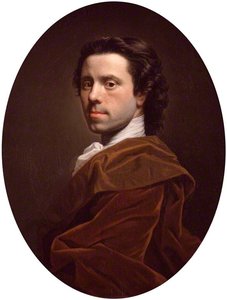
Alanas Ramsėjus
1713 - 1784 , Jungtinė Karalystė
Trumpa informacija apie kūrėją
- Gimimo Data: 1713-10-13
- Gimimo Vieta: Edinburgas, Jungtinė Karalystė
- Meninis Stilius: Rokokas, Neoklasicizmas
- Mirties Data: 1784
- Pilnas Vardas: Allan Ramsay
- Tautybė: Škotas
- Įtakoję Menininkai:
- Hans Hysing
- Francesco Solimena
- Imperiali (F.Fernandi)
- Žymiausi Darbai:
- Karalienė Šarlotė
- Mary Degg, ponia Robert Manners
- Duncan Forbes galva
Susiję straipsniai

Allen Ramsay: Portraiture, Patronage & Shaping Georgian Identity
Explore the life & work of Allen Ramsay, pivotal portraitist to George III. Discover his Rococo style, influence on Georgian society, and lasting legacy in British art history. Learn about his key works & patronage.

David Roberts: A Scottish Pioneer of Topographical Art & Orientalist Vision
Explore the captivating world of David Roberts, a pioneering Scottish painter renowned for his detailed Orientalist scenes & stunning Egyptian landscapes. Discover his legacy and find museum-quality reproductions at OriginalUniqueArt.
Alexander Nasmyth: Picturing Scotland's Romantic Landscape – Innovation & Identity
Explore the life & art of Alexander Nasmyth, a pivotal figure in Scottish Romantic landscape painting. Discover his iconic works, including portraits of Robert Burns, and learn about his lasting influence on national identity. Fine art reproductions available.
George Paul Chalmers: Rediscovering the Angus Rembrandt & Scottish Colourist Roots
Explore the captivating world of George Paul Chalmers (1833-1878), a pivotal Scottish painter. Discover his landscapes, portraits & connection to the Aesthetic Movement and Colourists. Learn about this 'Angus Rembrandt's' legacy with OriginalUniqueArt.
Sir John Watson Gordon: A Study in Scottish Landscape Painting & Tonal Impressionism
Explore the captivating portraits of Sir John Watson Gordon, a leading Scottish master. Discover his evolution from neoclassical style to atmospheric Tonalism and influence on 19th-century British art. Learn about his iconic sitters & legacy.