
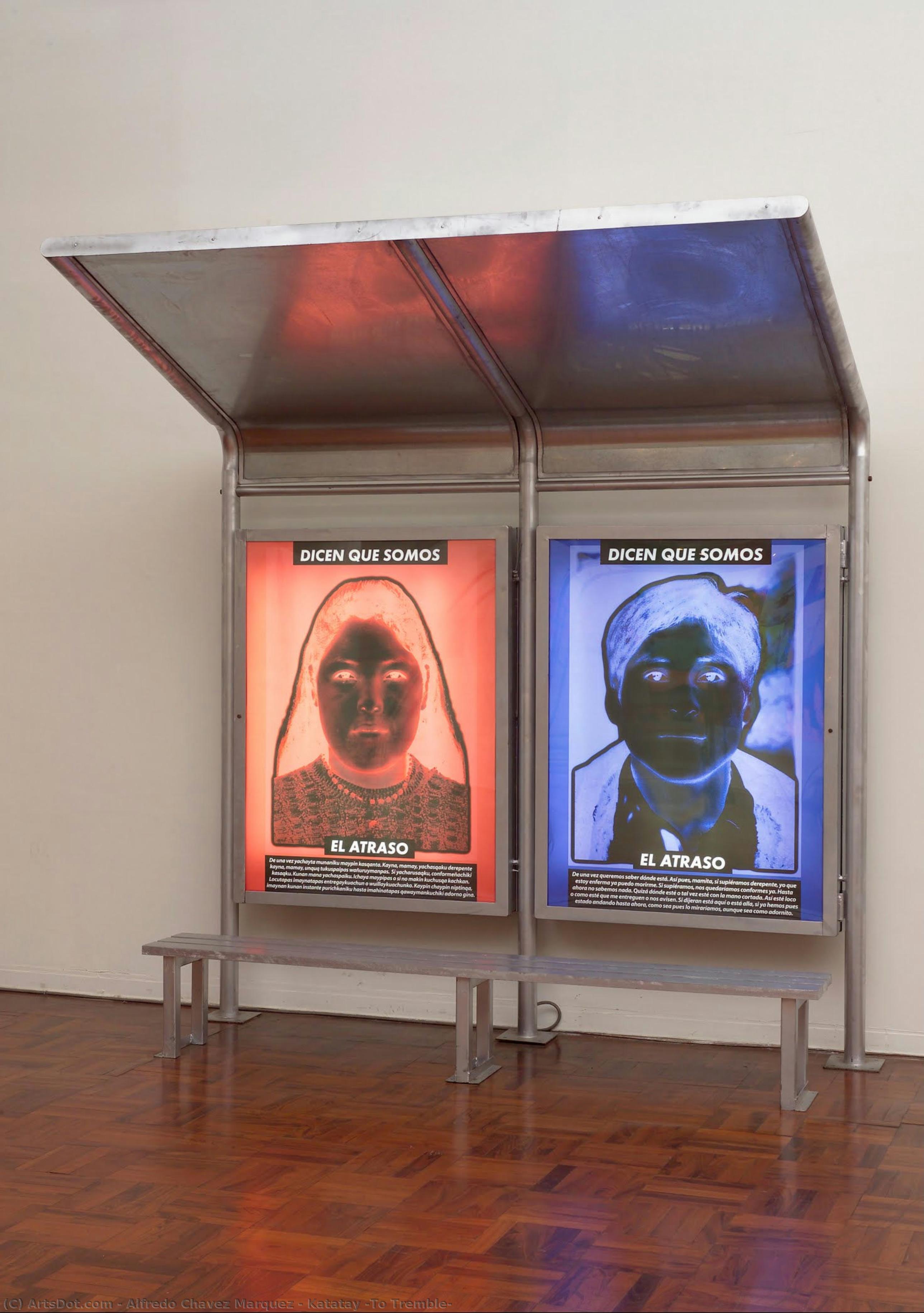
 Peržiūrėti realybėje
 Pasidalinti
 Dalintis
 Išsamiau

 Atsisiųsti
 Panašūs eksponatai
 Rentgeno nuotrauka
 Automatinė diorama
Katatay (To Tremble)
 2003
2003 1100.0 x 1550.0 cm
 Museo de Arte de Lima
 Skaityti daugiau
Įsigykite aukštos skiriamosios raiškos, patobulintą skaitmeninį vaizdą, gerokai pranašesnį už internetinę peržiūrą.
Kiekvieną failą mūsų specialistai kruopščiai paruošia naudojant pažangias technologijas ir profesionalų rankinį retušavimą. Užtikriname, kad kiekvienas vaizdas pasižymėtų išskirtiniu aiškumu, tikslia spalvų atspalviu ir smulkiomis detalėmis.
Baigiamas failas el. paštu pristatomas per 72 valandas; jis optimizuotas nedelsiant naudojimui profesionalioje, redakcinėje ir spausdinimo aplinkoje. Tai ta pati kokybė, kuria pasitiki aukščiausios klasės dizaino studijos, leidyklos ir galerijos.
Skaitmeninis vaizdas
Atsisiųskite didelės raiškos failą asmeniniam naudojimui, spausdinimui ir kūrybiniams projektams. ( Pirkti spaudinį Pirkti rankomis tapytą paveikslą)
Kiekvieną skaitinio vaizdo užsakymą papildė
Profesionalus skaitmeninis pristatymas, garantuotas
Pasirinkę OriginalUniqueArt.com, jūs ne tik gaunate paveikslėlį – jūs gaunate profesionaliai patobudintą skaitmeninį kūrinį, sukurtą itin tikniai ir užtikrinantį pasitenkinimą. Štai viską, kas automatiškai pritékia jūsų užsakymui:

Greitas siuntimas el. paštu
Jūsų aukštos raiškos skaitmeninis vaizdo failas bus išsiųstas jums el. paštu per 72 valaudas nuo užsakymo – paruoštas naudojimui be jokių papildomų veiksmų.

Skaitmeninis failas su dirbtiniu intelektu
Jūsų meno kūrinys profesionaliai optimizuojamas naudojant pažangius dirbtinio intelekto įrankius ir rankinį redagavimą, užtikrinant maksimalią detalę, aiškumą ir spalvų tikslumą.

Nemokamas visam laikui pakartotinis siuntimas
Atsitiktinai ištrytikote ar praradote savo failą? Nebijokite – bet kuriuo metu atsiųsime jį jums vėl nemokamai.

Jokio importo mokesčio – niekada
Mėgaukitės savo meno kūriniu akimirka – skaitiniai failai visada yra neapmokestinami, todėl nereikės mokėti muitinės, mokesčių ar pristatymo mokesčių.

Spalvų tikslumo garantija
Naudodami profesionalią įrangą ir spalvų valdymo sistemas, užtikriname, kad jūsų skaitmeninis vaizdas kuo tiksliau atspindėtų originalias spalvas.

60 dienų pasitenkinimo garantija
Jei nebuvate patenkinti savo skaitinio vaizdo, per 60 dienų jį pertaisysime arba grąkinsime 100% sumą – be jokių klausimų.

100% pinigų grąžinimo garantija
Nepat 만족inti? Gaukite visą sumokėtą sumą per 60 dienų nuo skaitmeninio failo gavimo – be jokių papildomų klausimų.

Nuolaidos dideliems užsakymams
Pirkti 3 nuotraukas – pasiūla 10% - Pirkti 5 – pasiūla 15% - Pirkti 10 ir daugiau – pasiūla 20%. Puikiai tinka kūrybiniams projektams, galerijoms bei agentūroms.
Kolekcinio objekto aprašymas
Autoriaus biografija
Lucian Freud: A Portrait of the Soul
Lucian Michael Freud (1922-2011) remains one of the most significant and intensely debated figures in 20th-century British art. More than simply a portrait painter, Freud offered a profound exploration of human psychology, capturing not just outward appearances but also the inner lives and vulnerabilities of his subjects – friends, family, lovers, and even the occasional stranger. His work, characterized by its thick impasto, unsettling interiors, and often confrontational intimacy, continues to provoke and fascinate viewers decades after its creation.
Born in Berlin during a period of immense political upheaval, Freud’s early life was shaped by his family's Jewish heritage and their eventual emigration to London in 1933. This experience profoundly influenced his artistic sensibility, fostering a sense of displacement and an acute awareness of the complexities of identity. His father, Ernst Freud, was the fourth child of Sigmund Freud, the renowned psychoanalyst, though Lucian maintained a deliberately distanced relationship with his famous uncle. This familial connection, however, undoubtedly contributed to the intellectual currents that informed his artistic development.
Freud’s formal art training began at Bryanston School and later at Dartington Hall, where he encountered a group of progressive educators who emphasized experiential learning and encouraged experimentation. However, it was his time in Paris during the 1940s – a period heavily influenced by Surrealism – that initially shaped his artistic approach. He experimented with dreamlike imagery and explored the subconscious, but quickly moved beyond this early influence to develop a distinctly realist style, albeit one radically different from traditional portraiture. His early works, such as “Portrait of Kitty” (1948-49), already hinted at the intensity and psychological depth that would become hallmarks of his mature oeuvre.
The Development of a Unique Style
Freud’s artistic evolution can be traced through several key stages. Initially influenced by Surrealism, he moved towards Expressionism, capturing raw emotion and distorted forms. Yet, it was in the early 1950s that he forged his own distinctive style – one characterized by an almost brutal honesty and a willingness to confront uncomfortable truths about human nature. He abandoned idealized representations, opting instead for unflinching portrayals of his subjects’ physicality, often revealing their vulnerabilities and imperfections.
A crucial element of Freud's technique was his reliance on direct observation and extended sittings with his models. He famously demanded hours-long sessions, sometimes lasting days, patiently waiting for the precise moment when a subject would reveal themselves – a flicker of emotion, a subtle shift in expression. This process wasn’t merely about capturing likeness; it was about penetrating the surface and accessing the inner world of the individual. His studio became a space of intense psychological engagement, where the artist and model existed in a state of almost symbiotic relationship.
Freud's use of paint was equally significant. He applied thick layers of impasto, building up texture and volume to create a palpable sense of presence. The surfaces of his paintings are often rough and uneven, reflecting the physicality of his subjects and conveying a feeling of immediacy and urgency. The dark, muted palette – dominated by browns, greys, and blacks – further contributes to the somber and introspective mood of his work.
Major Works and Influences
Throughout his prolific career, Freud produced a vast body of paintings, drawings, and prints. Some of his most celebrated works include “Benefits Supervisor Sleeping” (1995), a monumental portrait of the dancer and performer Alison Hedley; "The Bear" (1964), a powerfully evocative depiction of his dachshund, Pablo; and numerous portraits of friends and family members, including David Hockney, Rosalinde Franklin, and Clement Freud. These works demonstrate his ability to capture not just physical likeness but also the essence of his subjects’ personalities.
Freud's work has been influenced by a diverse range of sources, from Rembrandt and Velázquez – masters of psychological portraiture – to the German Expressionists and the British School of London. However, he ultimately forged his own unique path, rejecting conventional notions of beauty and embracing a more honest and challenging approach to representation.
Legacy and Historical Significance
Lucian Freud’s impact on contemporary art is undeniable. He challenged traditional conventions of portraiture, pushing the boundaries of what was considered acceptable subject matter and technique. His unflinching honesty and psychological depth have resonated with artists and viewers alike, establishing him as one of the most important figures in British art since World War II.
Despite facing criticism for his sometimes unsettling depictions of his subjects, Freud’s work continues to be exhibited widely and studied extensively. He remains a vital voice in the ongoing conversation about representation, identity, and the complexities of human experience. His legacy lies not only in the beauty of his paintings but also in their profound ability to provoke thought and emotion.
alfredo chavez marquez
1922 - 2014 , United States of America
Trumpai apie šį kūrėją
- Artistic Movement Or Style: Figurative art, Portraiture
- Artists Or Movements Influenced By This Artist:
- Surrealism
- Expressionism
- Artists Who Influenced This Artist:
- Cedric Morris
- David and Eli
- Date Of Birth: 8 December 1922
- Date Of Death: 20 July 2011
- Full Name: Lucian Michael Freud
- Nationality: British
- Notable Artworks:
- Portrait of Kitty
- Benefits Supervisor Sleeping
- Place Of Birth: Berlin, Germany

