
 Peržiūrėti realybėje
 Pasidalinti
 Dalintis
 Išsamiau

 Atsisiųsti
 Panašūs eksponatai
 Rentgeno nuotrauka
 Automatinė diorama
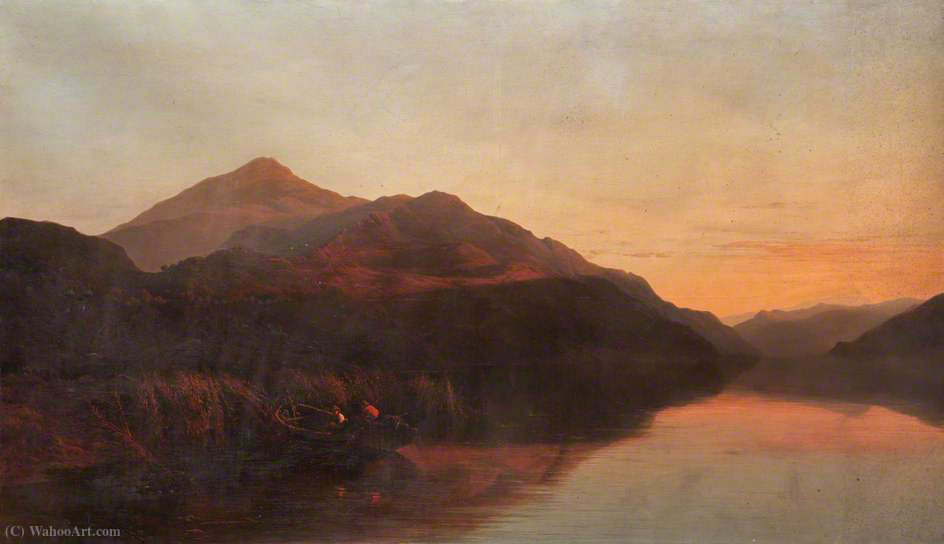
Landscape
 Skaityti daugiau
Įsigykite aukštos skiriamosios raiškos, patobulintą skaitmeninį vaizdą, gerokai pranašesnį už internetinę peržiūrą.
Kiekvieną failą mūsų specialistai kruopščiai paruošia naudojant pažangias technologijas ir profesionalų rankinį retušavimą. Užtikriname, kad kiekvienas vaizdas pasižymėtų išskirtiniu aiškumu, tikslia spalvų atspalviu ir smulkiomis detalėmis.
Baigiamas failas el. paštu pristatomas per 72 valandas; jis optimizuotas nedelsiant naudojimui profesionalioje, redakcinėje ir spausdinimo aplinkoje. Tai ta pati kokybė, kuria pasitiki aukščiausios klasės dizaino studijos, leidyklos ir galerijos.
Skaitmeninis vaizdas
Atsisiųskite didelės raiškos failą asmeniniam naudojimui, spausdinimui ir kūrybiniams projektams. ( Pirkti spaudinį Pirkti rankomis tapytą paveikslą)
Kiekvieną skaitinio vaizdo užsakymą papildė
Profesionalus skaitmeninis pristatymas, garantuotas
Pasirinkę OriginalUniqueArt.com, jūs ne tik gaunate paveikslėlį – jūs gaunate profesionaliai patobudintą skaitmeninį kūrinį, sukurtą itin tikniai ir užtikrinantį pasitenkinimą. Štai viską, kas automatiškai pritékia jūsų užsakymui:

Greitas siuntimas el. paštu
Jūsų aukštos raiškos skaitmeninis vaizdo failas bus išsiųstas jums el. paštu per 72 valaudas nuo užsakymo – paruoštas naudojimui be jokių papildomų veiksmų.

Skaitmeninis failas su dirbtiniu intelektu
Jūsų meno kūrinys profesionaliai optimizuojamas naudojant pažangius dirbtinio intelekto įrankius ir rankinį redagavimą, užtikrinant maksimalią detalę, aiškumą ir spalvų tikslumą.

Nemokamas visam laikui pakartotinis siuntimas
Atsitiktinai ištrytikote ar praradote savo failą? Nebijokite – bet kuriuo metu atsiųsime jį jums vėl nemokamai.

Jokio importo mokesčio – niekada
Mėgaukitės savo meno kūriniu akimirka – skaitiniai failai visada yra neapmokestinami, todėl nereikės mokėti muitinės, mokesčių ar pristatymo mokesčių.

Spalvų tikslumo garantija
Naudodami profesionalią įrangą ir spalvų valdymo sistemas, užtikriname, kad jūsų skaitmeninis vaizdas kuo tiksliau atspindėtų originalias spalvas.

60 dienų pasitenkinimo garantija
Jei nebuvate patenkinti savo skaitinio vaizdo, per 60 dienų jį pertaisysime arba grąkinsime 100% sumą – be jokių klausimų.

100% pinigų grąžinimo garantija
Nepat 만족inti? Gaukite visą sumokėtą sumą per 60 dienų nuo skaitmeninio failo gavimo – be jokių papildomų klausimų.

Nuolaidos dideliems užsakymams
Pirkti 3 nuotraukas – pasiūla 10% - Pirkti 5 – pasiūla 15% - Pirkti 10 ir daugiau – pasiūla 20%. Puikiai tinka kūrybiniams projektams, galerijoms bei agentūroms.
Autoriaus biografija
Alfred Walter Williams: A Victorian Master of Atmospheric Landscapes
Alfred Walter Williams (18 July 1824 – 16 December 1905) emerged from the fertile artistic lineage of the Williams family, a group renowned for their evocative depictions of the English countryside during the Victorian era. Born in Southwark, London—one of identical twins tragically lost shortly after birth—Williams’ path to becoming a respected landscape painter was largely shaped by his father, Edward Williams, a successful artist who instilled in him the fundamentals of technique and a deep appreciation for capturing the nuances of light and atmosphere. Unlike many artists of his time, Williams received no formal artistic training beyond his father's guidance, yet he developed a distinctive style that would firmly establish him within the celebrated “Williams School of Painters.”Family Legacy and The Barnes School
Williams’ family history is inextricably linked to art. His father, Edward, was a prominent figure in the London art scene, and his siblings—Charles, Henry John Boddington, George Augustus Williams, Arthur Gilbert, and Sidney Richard Percy—all pursued careers as landscape artists. This familial connection fostered a shared artistic environment and a collective pursuit of capturing the beauty of Britain’s diverse landscapes. The family's residence near Barnes, London, became synonymous with this artistic community, earning them the moniker “the Barnes School.” Situated in a rapidly developing area on the south side of the Thames, Barnes offered a unique blend of rural charm and urban proximity, providing an ideal setting for these artists to work and exchange ideas. The large coach house within their home was transformed into a family studio, a testament to their dedication and a lasting symbol of this artistic hub.Artistic Style and Notable Works
Williams’ paintings are characterized by a masterful command of light, color, and atmosphere—elements that define the hallmark of the Williams School. His works frequently depict scenes of the Thames River, rolling Welsh moors, and quiet English villages, often imbued with a sense of melancholy and romanticism. He skillfully employed loose brushwork and subtle tonal variations to create an illusion of depth and movement, drawing viewers into the heart of his landscapes. Unlike some of his contemporaries who focused on detailed representation, Williams prioritized capturing the *feeling* of a place—the dampness of the air, the shifting shadows, and the overall mood of the scene. Notable works include depictions of misty riverbanks, dramatic mountain vistas, and pastoral scenes populated by grazing cattle, all rendered with a quiet dignity and an understated elegance. His paintings were exhibited regularly at prestigious venues such as the Royal Academy, the Society of British Artists, and various London galleries, solidifying his reputation within the art world.Life and Career Developments
Williams’ career spanned several decades, marked by consistent artistic growth and recognition. Initially exhibiting at the Royal Academy from 1843 until 1890, he continued to showcase his work with other organizations throughout his life. He moved from Cromer Street in London to 32 Castelnau, Barnes, in 1846, establishing a family studio within the spacious coach house. This move coincided with an increase in the family’s financial stability, allowing them to pursue their artistic endeavors more freely. In 1888, he married Ann Hutchence (née Thornton) and became stepfather to Rose Priscilla and Ada Louisa Hutchence. Later, he relocated to 40 Croydon Road, Reigate, near his brother Arthur Gilbert, in 1895. Williams’ artistic output continued until his death in Croydon in 1905, leaving behind a substantial body of work that continues to be admired for its atmospheric beauty and quiet emotional resonance.Legacy and Recognition
Alfred Walter Williams' contribution to Victorian landscape painting is significant. As a key member of the Williams School of Painters, he helped establish a distinct artistic tradition characterized by a focus on capturing the essence of the English countryside. His works are now held in prominent museums across the United Kingdom, including the Victoria and Albert Museum, the National Museums Liverpool, and the Sunderland Museum and Winter Gardens, ensuring that his art continues to be appreciated by generations to come. His paintings remain valuable examples of 19th-century British watercolor art, offering a glimpse into the artistic sensibilities and cultural values of the Victorian era. His legacy endures as a testament to the power of observation, skill, and a deep connection to the natural world.
Alfred Walter Williams
1824 - 1905 , United Kingdom
Trumpai apie šį kūrėją
- Artistic Movement Or Style: Victorian Landscape
- Artists Or Movements Influenced By This Artist: ['Williams School of Painters']
- Artists Who Influenced This Artist: ['Edward Williams']
- Date Of Birth: 18 July 1824
- Date Of Death: 1905
- Full Name: Alfred Walter Williams
- Nationality: British
- Notable Artworks:
- Scenes of the Thames
- Welsh Moor Landscapes
- Place Of Birth: Southwark, UK

