

 Peržiūrėti realaus dydžio版
 Siųsti
 Dalintis
 Išsamiau
 Vadovas

 Atsisiųsti
 Panašūs eksponatai
 Rentgeno spindulių nuotrauka
 Diaporama
 Statistika
Pleasant Letter
 Oil On Canvas
- WallArt
- Contemporary Realism
 1860
1860 66.0 x 55.0 cm
 Hermitage muziejus
 Rodyti daugiau
Rankų darbo aliejinės reprodukcijos
Rankiniu būdu tapytas aliejus ant droblio jūsų pageidaujamame dydį ir rėmuose – mūsų menininkų darbas pagal užsakymą. ( Perjungti į spausdinimą Perejti prie skaitmeninių vaizdų)




P118B €10

P118H €10

P118W €10

P438Z €10

P508JH €12

P508YH €12

P805H €10

P805Z €10

P919BZ €10

P919G €10

P919XJ €10

P959ZH €10

P968JZ €12

W106C €8

W218G €10

W218JH €8

W218Y €10

W307PJ €10

W316G €10

W316PJ €8

W316Y €10

W398PJ €8

W4111J €10

W500HY €15

W500JH €15

W692G €12

W849H €8

W940BG €15

W953PJ €8




Pasirinkite iš mūsų nustatytų dydžių, atitinkančių originalaus meno kūrinio proporcijas.

Galite įvesti savo matmenis, kad jie atitiktų konkretų rėmą ar erdvę. Jei pasirinktas dydis neatitinka originalaus paveikslėlio proporcijų, mes arba apkropsime meno kūrinį, arba papildysime tapybą rankomis dažytい elementais. Prieš pradėdami gamybą, jūsų patvirtinimui atsiųsime skaitmeninį maketą.
Atkreipkite dėmesį, kad ekrane rodomas vaizdas neatspindi tikrojo apkarpymo ar papildymo. Tik maketas tiksliai parodys galutinę kompoziciją.
Nors galima rinktis ir individualius dydžius, rekomenduojame pasirinkti matmenis iš nustatytos sąrašo, kad būtų išlaikytos originalios proporcijos.
Gavus užsakymą, OriginalUniqueArt.com komanda susisieks su klientu el. paštu dėl instrukcijų ir pateiks maketo pavyzdį
Pristatymas visame pasaulyje () per 3–4 savaites, o ne įprastai – per 5 savaites. (2 spalis). Kokybė lieka nepakeičiama.

Nemokamas greitasis pristatymas visame pasaulyje

Aukštos kokybės lininis drobė

Pilnas siuntimo draudimas

Muitinės mokesčių grąžinimo garantija

Tikro spalvų atitikimo garantija

100 dienų grąžinimo politika (tik esant įtaigoms)

100% pinigų grąžinimo garantija

Nuolaida dideliems užsakymams
 Stiklo variantas prieinamas tik pasirinkus dydį iki 110 cm

Pleasant Letter
Reprodukcijos technika
Reprodukcijos dydis
-


Visų pasirinktų variantų kaina
€ 259
A Glimpse of Parisian Life: Alfred Stevens’ “Pleasant Letter”
Alfred Stevens' "Pleasant Letter," painted circa 1860-67, is more than just a portrait; it’s a meticulously crafted window into the refined world of late 19th-century Paris. This exquisite work, currently residing in the collection of the State Hermitage Museum, captures a fleeting moment of domestic intimacy—a woman seated at a table, engrossed in a letter, while her companion observes with quiet attentiveness. Stevens, a master of realism and a keen observer of human psychology, elevates this seemingly simple scene into a study of social grace, subtle emotion, and the delicate balance between observation and participation.
The painting’s genesis lies firmly within Stevens' signature style: a deliberate departure from grand historical or mythological subjects. Instead, he focused on capturing the nuances of modern life—the “la vie moderne”—as it unfolded in fashionable Parisian interiors. This shift was revolutionary at the time, as it prioritized the portrayal of contemporary society and its inhabitants with an unprecedented level of detail and psychological insight. Influenced by the Dutch Masters – particularly Gerard ter Borch and Gabriel Metsu – Stevens meticulously rendered textures, light, and shadow, creating a palpable sense of realism that drew viewers into the scene.
The Composition: A Dance of Observation
The composition itself is remarkably balanced and restrained. The seated woman, dressed in a fashionable gown of muted tones, dominates the foreground, her gaze directed towards the letter before her. Her posture—relaxed yet attentive—suggests both engagement and contemplation. Her companion, positioned slightly behind and to the side, offers a counterpoint – a quiet observer, perhaps reflecting on the contents of the letter or simply enjoying the shared moment. The arrangement isn’t overtly dramatic; rather, it's a subtle choreography of figures within a carefully designed space.
Stevens masterfully utilizes light and color to enhance the scene’s atmosphere. A soft, diffused light illuminates the room, casting gentle shadows that define the forms and textures of the furniture and clothing. The palette is predominantly muted – browns, creams, and grays—reflecting the understated elegance of the Parisian bourgeois lifestyle. The use of a delicate rose-colored shawl draped over the woman’s shoulders adds a touch of warmth and visual interest, subtly drawing the eye to her face.
Symbolism and Social Commentary
Beyond its aesthetic qualities, “Pleasant Letter” carries layers of symbolic meaning. The act of reading a letter represents communication, connection, and perhaps even unspoken desires. It’s a moment of private reflection within the confines of domestic life—a world carefully constructed to project an image of refinement and social standing. The painting subtly critiques the artificiality of such displays, hinting at the complexities beneath the surface of polite society.
Furthermore, Stevens' choice of subject matter – a seemingly ordinary scene of everyday life – speaks to his broader artistic vision. He sought to elevate the commonplace, revealing beauty and significance in the details of modern existence. The painting’s popularity during its time reflected a growing interest in capturing the realities of contemporary society—a trend that would profoundly influence subsequent generations of artists.
A Legacy of Elegance
Alfred Stevens' “Pleasant Letter” remains a testament to his exceptional skill and artistic vision. It is a captivating portrait not only of two women but also of an era – the Belle Époque—characterized by its elegance, social complexities, and burgeoning modernity. Reproductions of this work offer a remarkable opportunity to experience the subtle beauty and psychological depth of Stevens’s art, bringing a touch of Parisian refinement into any space.
Autoriaus biografija
ankstyvoji gyvenimo ir mokymosi dalis
Alfredas Émile Léopoldas Stevensas, žinomų belgų paveikslastojas, gimė 1823 m. gegužės 11 d. Briusele. Jo šeima buvo glaudžiai įsišaknijusi reginioje menėje: jo vyresnysis brolis Josephas (1816–1892) ir sūnus Léopoldas (1866–1935) buvo tapybos meistrai, o kitas brolis Arthuras (1825–99) dirbo kaip meno prekybininkas ir kritikus.meninė karjera
Stevensas savo meninę kelionę pradėjo Briuselio Karališkojo gražiųjų menų akademijoje, kur mokėsi neoklasicinio stiliaus paveikslastojo François Navez vadovavimu. 1843 m. jis persikėlė į Paryžium, prisijungė prie savo brolio Josepho, ir buvo priimtas į École des Beaux-Arts. Nors iki šiol vediojamos diskusijos, ar jis tapo Jean Auguste Dominique Ingreso mokinio, Stevenso ankstyvieji darbai, tokie kaip 1849 m. pasirašytą ir datuotą „Atpūtimas arba absolucija“ (Ermitažas, Sankt Peterburgas), demonstruoja jo meistriškumą tradiciniame naturalistiniame stiliuje, įkvėptame XVII amario nederlandų žanrinės tapybos.kilimas į šlovę
Stevenso kūriniai pirmą kartą viešai buvo eksponuoti 1851 m. Briuslesio salone, o vėliau jis pelnė trečiojo laipsnio medalią 1853 m. Paryžiaus salone ir antrojo laipsnio medalį 185_5 m. Paryžiaus visos pasaulio parodoje. Jo paveikslas „Ce qu'on appelle le vagabondage“ (Orsės muziejus, Paryžius) sudomino Napoleoną III, o tai paskatino reikšmingą pokyčius skurtais žmonėmis rūpin듯si saugant.pastebimieji darbai ir palikimas
- 1866 m. parašytas „La Dame en Rose“, arba „Moteris rožinėje suknelėje“ (Belgijos Karališkosios gražiųjų menų muziejus, Briuselis) yra šio laikotarpio Stevenso kūrybos pavyzdys, kuriame madingai aprasinta moteris derinama su itin detalizuota japoniškų daiktų apžiūra.
- 1863 m. Stevensas gavo Lenkės ordino (chevalier) apdovanojimą iš Prancūzijos valdžios, o 1867 m. buvo pakeltas į Lenkės ordino pareigūnus.

Alfredas Stevensas
1823 - 1906 , Belgija
Trumpa informacija apie kūrėją
- Artistic Movement Or Style: Akademinis realizmas
- Artists Who Influenced This Artist:
- Jean Auguste Dominique Ingres
- Olandų meistrai
- Date Of Birth: 1823 m. gegužės 11 d.
- Date Of Death: 1906 m.
- Full Name: Alfred Émile Léopold Stevens
- Nationality: Belgas
- Notable Artworks:
- La Dame en Rose
- Vizitas į studiją
- Parengiamas piešinys kūriniui 'Amžiaus panorama', 'Imperatorienė Josephine ir jos dvaras'
- Place Of Birth: Brėsėlis, Belgija
Susiję straipsniai
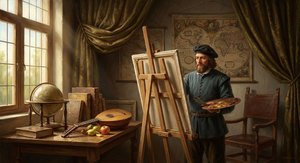
Illuminating Realism: Exploring the Dutch Golden Age of Painting (1600-1700)
Explore the Dutch Golden Age of painting (1600-1700) with OriginalUniqueArt. Discover Rembrandt, Vermeer & other masters. Learn about techniques, history & find museum-quality reproductions.

Golden Light & Dutch Skies: The Timeless Magic of Dutch Golden Age Landscapes
Discover the breathtaking beauty of Dutch Golden Age landscapes. Explore the mastery of light, chiaroscuro, and 17th-century realism through an expert art history lens, celebrating the enduring legacy of the Dutch Masters for discerning collectors and art lovers.

Alfred Stevens: Capturing Parisian Life with Intimate Realism & Symbolist Flair
Explore the captivating world of Alfred Stevens, a pioneer of intimate realism & Symbolist painting. Discover his elegant portraits of Parisian women and learn about his Dutch influences & lasting legacy. Art history insights at OriginalUniqueArt.

Sir Alfred Munnings' Masterpieces: 25 Paintings That Define Equine Art | OriginalUniqueArt
Explore 25 iconic Sir Alfred Munnings paintings! Discover the beauty of British Impressionism, equine art & rural England. Find museum-quality reproductions and elevate your home decor with OriginalUniqueArt. Explore the full collection online.
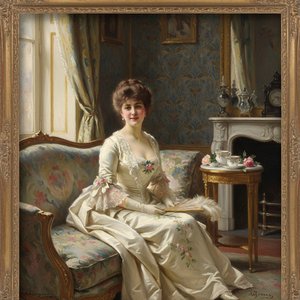
Alfred Stevens: Capturing Parisian Elegance & Fin-de-Siècle Intimacy
Discover the captivating world of Alfred Stevens, master of Parisian elegance & intimate portraiture. Explore his techniques, influences, and legacy – a prized collection for discerning art enthusiasts.