

 Peržiūrėti realybėje
 Pasidalinti
 Dalintis
 Išsamiau

 Atsisiųsti
 Panašūs eksponatai
 Rentgeno nuotrauka
 Automatinė diorama
 Statistika
Mill at Cobaconk - Adaptation
 Acrylic On Canvas
- WallArt
- Impressionism
 1924
1924 45.0 x 58.0 cm
 McMichael Canadian Art Collection
 Skaityti daugiau
Giclée / Meno spausdinimas
Muziejų lygio „giclée“ arba drobos spausdinimas: greita gamyba ir lankstios apdailos parinktys. ( Pirkti rankomis tapytą paveikslą Perejti prie skaitmeninio vaizdo)




P118B $10

P118H $10

P118W $10

P438Z $10

P508JH $12

P508YH $12

P805H $10

P805Z $10

P919BZ $10

P919G $10

P919XJ $10

P959ZH $10

P968JZ $12

W106C $8

W218G $10

W218JH $8

W218Y $10

W307PJ $10

W316G $10

W316PJ $8

W316Y $10

W398PJ $8

W4111J $10

W500HY $15

W500JH $15

W692G $12

W849H $8

W940BG $15

W953PJ $8




Pasirinkite iš mūsų nustatytų dydžių, atitinkančių originalaus meno kūrinio proporcijas.

Galite nurodyti savo matmenis, kad vaizdas atitiktų konkretų rėmą ar erdvę. Jei pasirinktas dydis nesutaps su originalaus paveikslėlio proporcijomis, mes arba apkirpsime kūrinį, arba išplėsime vaizdą naudojant veideliu atspindėtą arba vientisą šoną. Skaitmeninis maketas bus išsiųstas jums patvirtinti prieš pradedant gamybą.
Atkreipkite dėmesį, kad ekrane matomas vaizdinys neatspindi tikrojo apkirpimo ar išplėtimo. Tik maketas tiksliai parodytų galutinę kompoziciją.
Nors galima rinktis ir individualius dydžius, rekomenduojame pasirinkti vieną iš išanksti nustatytų matmenų, kad būtų išlaikytos originalios proporcijos.
Pristatymas visame pasaulyje () per 2 weeks, o ne įprastas 4/5 savaičių laikotarpis. (11 rugsėjis)

Nemokamas greitasis pristatymas visame pasaulyje

Aukštos kokybės lininis drobė

Pilnas siuntimo draudimas

Muitinės mokesčių grąžinimo garantija

Tikro spalvų atitikimo garantija

100 dienų grąžinimo politika (tik esant įtaigoms)

100% pinigų grąžinimo garantija

Nuolaida už kelias reprodukcijas
 Stiklo variantas prieinamas tik pasirinkus dydį iki 110 cm

Mill at Cobaconk - Adaptation
Giclée / Meno spausdinimas
Reprodukcijos matmenys
-


Galutinė kaina
$ 80
Mill at Cobaconk - Adaptation: A Window Into Casson's Vision of Ontario
Alfred Joseph Casson’s “Mill at Cobaconk – Adaptation” (1924) stands as a quintessential example of Group of Seven painterliness and Canadian landscape art, capturing the serene beauty of Southern Ontario with an impressionistic eye. Painted during Casson’s formative years as a professional artist—a period deeply influenced by his apprenticeship at Hamilton Lithography Company—the canvas embodies a meticulous understanding of visual processes alongside a profound connection to the natural world. This essay delves into the artwork's multifaceted layers, exploring its stylistic choices, technical execution, historical significance, and enduring emotional resonance.A Symphony of Light and Color: Impressionistic Style
The painting’s dominant characteristic is undeniably its impressionistic style. Casson eschews precise realism in favor of capturing fleeting moments and subjective impressions—a hallmark of the movement championed by artists like Lawren Harris and Franklin Carmichael. Loose brushstrokes dominate the composition, prioritizing atmospheric perspective over meticulous detail. Thick impasto lends textural richness to the foliage and mill structure, conveying a palpable sense of physicality while simultaneously blurring boundaries between observed reality and artistic interpretation. The color palette leans towards muted greens, browns, and blues—a deliberate selection that evokes a cool, melancholic mood—reflecting Casson’s fascination with capturing the subtle nuances of light as it filters through the Ontario landscape.Technique: Oil Paint on Canvas – Layered Texture and Depth
Casson skillfully employs oil paints on canvas to achieve remarkable depth and luminosity. The technique involves applying paint in short, broken strokes—a process known as alla prima—allowing colors to blend organically on the surface without extensive reworking. This method maximizes vibrancy and enhances textural complexity, resulting in a richly layered composition where individual brushstrokes coalesce into harmonious patterns. Careful attention is paid to glazing techniques—applying thin washes of translucent pigment over thicker layers—further refining tonal values and creating subtle gradations that contribute to the painting’s overall atmospheric effect. The canvas itself provides an ideal substrate for conveying Casson's vision, allowing him to build up texture and depth with confidence.Historical Context: Embracing Modernism Amidst Tradition
“Mill at Cobaconk – Adaptation” emerged during a pivotal moment in Canadian art history—the rise of the Group of Seven and its rejection of academic conventions. Artists like Casson sought inspiration from European Impressionists—particularly Claude Monet and Pierre-Auguste Renoir—introducing innovative stylistic approaches into the Canadian landscape tradition. The painting reflects Casson’s engagement with modernist ideas while simultaneously honoring the heritage of earlier generations of painters who had documented Ontario's landscapes with unwavering dedication. It stands as a testament to Casson’s artistic ambition and his willingness to forge new paths toward expressive representation.Symbolism: Waterfalls, Mill Structures – Echoes of Nature's Power
Beyond its aesthetic qualities, “Mill at Cobaconk – Adaptation” carries symbolic weight—particularly in its depiction of the waterfall and mill structure. The waterfall represents the relentless flow of time and the transformative power of nature—themes central to Group of Seven’s artistic ethos. Similarly, the mill symbolizes human endeavor and resilience amidst the grandeur of the landscape. Casson's careful composition directs the viewer's gaze toward these elements, inviting contemplation on their significance as emblems of Canadian identity and artistic vision.Emotional Impact: Tranquility and Melancholy – A Portrait of Ontario’s Soul
Ultimately, “Mill at Cobaconk – Adaptation” succeeds in conveying a profound emotional impact—characterized by tranquility interwoven with melancholy. The painting's muted color palette and soft lighting evoke a sense of stillness and contemplation, transporting the viewer to the serene beauty of Ontario’s countryside. Yet, beneath this surface calm lies an undercurrent of sadness—a recognition of the passage of time and the inevitable decline of natural splendor. Casson captures these complex emotions with sensitivity and nuance, cementing “Mill at Cobaconk – Adaptation” as a timeless masterpiece that continues to inspire admiration for its artistic merit and its evocative portrayal of Canada’s soul.Autoriaus biografija
A Life Rooted in the Canadian Landscape
Alfred Joseph Casson, a name synonymous with Canada’s artistic identity, was born in Toronto on May 17, 1898. His journey began not within the hallowed halls of an art academy, but amidst the practical demands of apprenticeship at a Hamilton lithography company following early studies at Hamilton Technical School. This formative period instilled in him a meticulous attention to detail and a deep understanding of visual processes – skills that would later prove invaluable as he translated his vision of the Canadian landscape onto canvas. Even these early experiences were nurtured by formal instruction; private lessons with Harry Britton introduced young Casson to both oil and watercolour techniques, igniting a lifelong passion for capturing the nuances of light and colour. A move back to Toronto in 1916 allowed him to further hone his skills at Central Technical School and the Ontario College of Art, setting the stage for a career that would profoundly shape Canadian art.Joining the Chorus: The Group of Seven
The year 1926 marked a pivotal moment in Casson’s artistic trajectory. He received an invitation from Franklin Carmichael to join the esteemed Group of Seven, stepping into the role previously held by Frank Johnston. This wasn't merely acceptance into a collective; it was an embrace by a group actively forging a distinctly Canadian visual language. The Group of Seven sought to move beyond European conventions and depict the raw beauty and untamed spirit of their homeland. Casson’s contribution lay in his unique perspective, often focusing on the more settled regions of southern Ontario – picturesque villages, rolling farmlands, and tranquil forests. While others explored the dramatic grandeur of northern landscapes, Casson found poetry in the everyday scenes of rural life, imbuing them with a quiet dignity and subtle emotional resonance. His style, characterized by clear colours and carefully constructed compositions, offered a counterpoint to the bolder, more expressive brushwork of some of his colleagues, yet remained undeniably part of the Group’s unified vision.Beyond the Seven: Expanding Artistic Horizons
Casson's commitment to fostering Canadian art extended beyond his involvement with the Group of Seven. In 1933, he co-founded the Canadian Group of Painters, an organization intended to provide a broader platform for artists working in various styles and mediums. This demonstrated a desire not only to promote his own work but also to nurture a thriving artistic community across the nation. Throughout his career, Casson balanced commercial work – notably as Art Director at Sampson-Matthews Ltd. for nearly two decades – with his personal artistic pursuits. He skillfully navigated these dual roles, using his position in the commercial world to support and promote Canadian art while simultaneously dedicating himself to painting full-time after his retirement in 1957. This dedication allowed him to fully immerse himself in capturing the landscapes that had captivated him since childhood.A Lasting Legacy: Recognition and Influence
Alfred Joseph Casson’s impact on Canadian art is undeniable. His paintings, celebrated for their serene beauty and evocative depictions of Ontario's countryside, are held in prominent collections such as the McMichael Canadian Art Collection. He received numerous accolades throughout his life, including full membership in the Royal Canadian Academy of Arts, the Order of Canada, and honorary degrees from universities recognizing his significant contributions to the nation’s cultural heritage. The record-breaking sale of “Street in Glen Williams” for $542,800 in 2010 stands as a testament to the enduring appeal and increasing value of his work. Casson's legacy isn’t simply about the paintings he created; it’s about his role in defining what Canadian art could be – bold, independent, and deeply rooted in the unique character of the land. He passed away on February 20, 1992, leaving behind a body of work that continues to inspire artists and captivate audiences with its timeless beauty.
Alfred Joseph Casson
1898 - 1992 , Canada
Trumpa informacija
- Artistic Movement Or Style: Group of Seven
- Artists Who Influenced This Artist: ['Franklin Carmichael']
- Date Of Birth: May 17, 1898
- Date Of Death: 1992
- Full Name: Alfred Joseph Casson
- Nationality: Canadian
- Notable Artworks:
- Mill at Cobaconk - Adaptation
- Hillside near Nashville
- In the village of Markham
- Place Of Birth: Toronto, Canada
Susiję straipsniai

George Agnew Reid: A Canadian Impressionist's Pursuit of Light, Colour, and National Identity
Explore the life & work of George Agnew Reid, a pivotal figure in Canadian Impressionism. Discover his genre paintings, mural commissions, and lasting influence on art education & national identity. A comprehensive guide for collectors & enthusiasts.

Arthur Lismer: A Pioneer of Canadian Modernism & the Group of Seven's Visionary Spirit
Explore the life & art of Arthur Lismer, a pivotal figure in Canadian Modernism and founding member of the Group of Seven. Discover his landscapes, teaching legacy & lasting influence on Canadian art history.
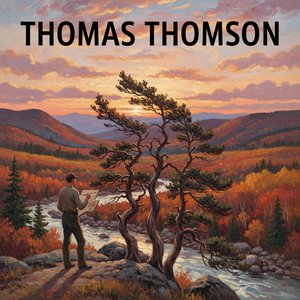
Thomas Thomson: Pioneering Canadian Landscape & the Pursuit of National Identity
Explore the evocative landscapes of Tom Thomson, a pivotal figure in Canadian art & precursor to the Group of Seven. Discover his bold style, lasting legacy, and profound impact on shaping a national artistic identity.

Alfred Sisley: Capturing the Ephemeral Essence of Impressionist Landscape
Explore the life & art of Alfred Sisley, a master of Impressionist landscape painting. Discover his dedication to 'en plein air' techniques and serene depictions of nature. Learn about his legacy & find high-quality reproductions at OriginalUniqueArt.

Sir Alfred Munnings' Masterpieces: 25 Paintings That Define Equine Art | OriginalUniqueArt
Explore 25 iconic Sir Alfred Munnings paintings! Discover the beauty of British Impressionism, equine art & rural England. Find museum-quality reproductions and elevate your home decor with OriginalUniqueArt. Explore the full collection online.