 Peržiūrėti realybėje
 Pasidalinti
 Dalintis
 Išsamiau

 Atsisiųsti
 Panašūs eksponatai
 Rentgeno nuotrauka
 Automatinė diorama
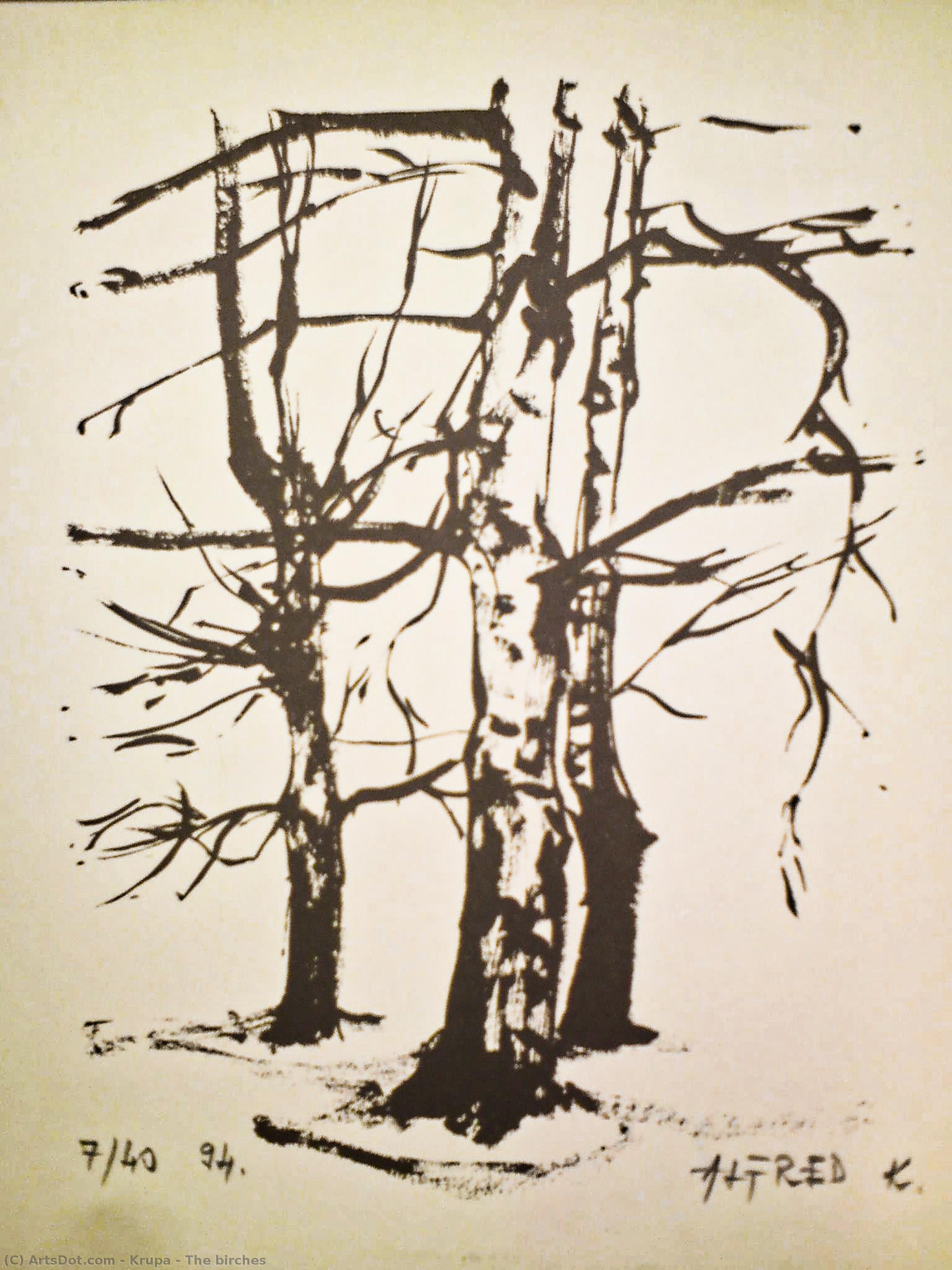
The birches


 Skaityti daugiau
Giclée / Meno spausdinimas
Muziejų lygio „giclée“ arba drobos spausdinimas: greita gamyba ir lankstios apdailos parinktys. ( Pirkti rankomis tapytą paveikslą Pirkti vaizdą)




































Pasirinkite iš mūsų nustatytų dydžių, atitinkančių originalaus meno kūrinio proporcijas.

Galite nurodyti savo matmenis, kad vaizdas atitiktų konkretų rėmą ar erdvę. Jei pasirinktas dydis nesutaps su originalaus paveikslėlio proporcijomis, mes arba apkirpsime kūrinį, arba išplėsime vaizdą naudojant veideliu atspindėtą arba vientisą šoną. Skaitmeninis maketas bus išsiųstas jums patvirtinti prieš pradedant gamybą.
Atkreipkite dėmesį, kad ekrane matomas vaizdinys neatspindi tikrojo apkirpimo ar išplėtimo. Tik maketas tiksliai parodytų galutinę kompoziciją.
Nors galima rinktis ir individualius dydžius, rekomenduojame pasirinkti vieną iš išanksti nustatytų matmenų, kad būtų išlaikytos originalios proporcijos.
Pristatymas visame pasaulyje () per 2 weeks, o ne įprastas 4/5 savaičių laikotarpis. (15 rugpjūtis)

Nemokamas greitasis pristatymas visame pasaulyje

Aukštos kokybės lininis drobė

Pilnas siuntimo draudimas

Muitinės mokesčių grąžinimo garantija

Tikro spalvų atitikimo garantija

60 dienų grąžinimo politika (tik esant gamyklinėms defektams)

100% pinigų grąžinimo garantija

Nuolaida už kelias reprodukcijas
 Stiklo variantas prieinamas tik pasirinkus dydį iki 110 cm

The birches
Giclée / Meno spausdinimas
Reprodukcijos matmenys
-


Galutinė kaina
$ 80
Autoriaus biografija
A Life Etched in Ink: The World of Alfred Freddy Krupa
Alfred Freddy Krupa, born June 14, 1971, in Karlovac, Croatia, is a painter and illustrator whose artistic journey has been marked by an unwavering dedication to exploring the depths of human experience through the medium of monochrome ink painting. He stands as the founding figure and theorist of the Western New Ink Art movement—a bold assertion that fundamentally reshaped perceptions of this historically restrained art form—and his legacy continues to inspire artists globally. Krupa’s formative years were steeped in Yugoslavian culture, where he honed his artistic sensibilities at the University of Zagreb Academy of Fine Arts, graduating in 1995 with honors. This academic grounding instilled within him a profound understanding of art history and technique—knowledge that would subsequently fuel his groundbreaking experimentation and redefine established conventions.The Genesis of New Ink Art
Krupa’s artistic breakthrough arrived in 1996 with the publication of his “New Ink Art” manifesto—a declaration not merely of stylistic preference but of a philosophical repositioning within the broader landscape of contemporary art. Rejecting conventional approaches to ink painting, he championed the expressive potential of monochrome, arguing that artists should transcend mere imitation and delve into themes previously untouched by this medium. This manifesto cemented Krupa’s role as a pivotal voice in a burgeoning movement that sought to synthesize Eastern traditions—particularly Japanese Sumi-e—with Western artistic currents like Expressionism and Surrealism. Recognizing the transformative power of cultural exchange, he pursued postgraduate research at Tokyo Gakugei University in 1998, immersing himself further in the intricacies of ink techniques and solidifying his grasp of their historical context. This period proved instrumental in shaping Krupa’s artistic vision—allowing him to synthesize diverse influences into a uniquely personal style characterized by meticulous observation and profound emotional resonance.Themes and Influences: A Dialogue with Existence
A recurring motif throughout Krupa’s oeuvre is an unflinching contemplation of the human condition—expressed through landscapes imbued with symbolic weight and portraits that capture fleeting moments of vulnerability. His artistic explorations consistently grapple with themes of mortality, memory, and psychological depth—subjects rendered with arresting intensity through masterful control of black ink on paper or canvas. The influence of Sumi-e is palpable in his brushwork—a testament to his respect for Eastern artistic heritage—yet he transcends mere stylistic homage, infusing it with a distinctly Western emotionality. Works like “After I die…” confront mortality head-on, prompting viewers to consider their own place within the grand narrative of time. Similarly, depictions of trees and rivers—particularly the Kupa River flowing through his birthplace—evoke feelings of solitude and introspection—subjects explored with remarkable sensitivity. Krupa’s technical skill is evident in detailed graphite drawings like “My Hand”—demonstrating a mastery of form and realistic representation alongside his more abstract explorations.Recognition and Legacy
Alfred Freddy Krupa's impact on the art world has been widely acknowledged through exhibitions at prestigious institutions such as MoMA, where pieces entered their collection, and participation in international biennials like the London Art Biennale. He received honors recognizing his contributions to Croatian culture—including the Order of Danica Hrvatska and the City of Karlovac Award—affirming his enduring significance as a contemporary artist whose work continues to inspire dialogue and provoke contemplation. Krupa’s artistic legacy resides not only in his groundbreaking innovations but also in his willingness to challenge conventions and forge a new path for ink painting—a path marked by unwavering dedication to exploring the complexities of human existence through the evocative power of monochrome. His ability to convey such depth through seemingly simple means stands as a testament to his skill and vision—a vision that will undoubtedly endure for generations to come.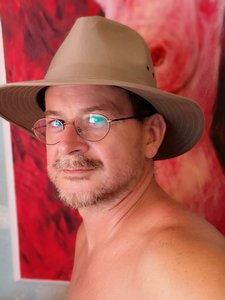
Alfredas Krupa
1971 - , Хорватия
Trumpa informacija
- Artistic Movement Or Style: Naujas Juodas Menas
- Artists Who Influenced This Artist:
- Sumi-e
- Ekspresionizmas
- Surrealizmė
- Date Of Birth: 1971 metų jūnė 14.
- Full Name: Alfred Freddy Krupa
- Nationality: Kroatietis
- Notable Artworks:
- Po mano mirtį…
- Dubovac
- Manoji Ranka
- Šłamtas Nūdas
- Place Of Birth: Karlovacas, Kroatija