
 Peržiūrėti realaus dydžio版
 Pasidalinti
 Dalintis
 Išsamiau
 Vadovas

 Atsisiųsti
 Panašūs eksponatai
 Rentgeno spindulių nuotrauka
 Automatinė diorama
 问答
问答 Statistika
Evening


 Skaityti daugiau
Giclée / Meno spausdinimas
Muziejų lygio „giclée“ arba drobos spausdinimas: greita gamyba ir lankstios apdailos parinktys. ( Pirkti rankų darbo tapybą Perejti prie skaitmeninių vaizdų)




P118B €10

P118H €10

P118W €10

P438Z €10

P508JH €12

P508YH €12

P805H €10

P805Z €10

P919BZ €10

P919G €10

P919XJ €10

P959ZH €10

P968JZ €12

W106C €8

W218G €10

W218JH €8

W218Y €10

W307PJ €10

W316G €10

W316PJ €8

W316Y €10

W398PJ €8

W4111J €10

W500HY €15

W500JH €15

W692G €12

W849H €8

W940BG €15

W953PJ €8




Pasirinkite iš mūsų nustatytų dydžių, atitinkančių originalaus meno kūrinio proporcijas.

Įveskite jums reikiamą plotį ir aukštį, kad atvaizdas derėtų prie jūsų rėmo ar sienos. Spausdiną galima tik sumažinti, bet nepadidinti virš originalaus paveikslėlio dydžio, todėl keičiant proporcijas, dalis vaizdo prarandama. Prieš spausdinimą atsiųsime jums skaitmeninį maketą patvirtinimui. Šioje puslapio nuotraukoje matomas pjūvis nėra tikslus – jį rodo tik maketas.
Pristatymas visame pasaulyje () per 2 weeks, o ne įprastas 4/5 savaičių laikotarpis. (10 lapkritis)

Nemokamas greitasis pristatymas visame pasaulyje

Aukštos kokybės lininis drobė

Pilnas siuntimo draudimas

Muitinės mokesčių grąžinimo garantija

Tikro spalvų atitikimo garantija

100 dienų grąžinimo politika (tik esant įtaigoms)

100% pinigų grąžinimo garantija

Nuolaida dideliems užsakymams
 Stiklo variantas prieinamas tik pasirinkus dydį iki 110 cm

Evening
Giclée / Meno spausdinimas
Reprodukcijos matmenys
-


Bendroji kaina
€ 72
Autoriaus biografija
Alexei Stepanov: A Pioneer of Impressionist Landscape Painting
Alexei Stepanovich Stepanov (1858 – 1923) stands as a significant figure in late nineteenth and early twentieth-century Russian art, particularly recognized for his contribution to the Peredvizhniki movement and his role as a formative teacher. Born into a noble family whose officers served valiantly during the Crimean War, Stepanov’s upbringing instilled within him a deep appreciation for observation and detail—qualities that would profoundly shape his artistic vision. Tragically orphaned at the tender age of six when his parents succumbed to illness, he was entrusted to the Moscow Orphanage for Children from Military Families, an institution founded by Count Razumovsky, providing him with a stable environment amidst challenging circumstances. His academic pursuits continued at Konstantin Surveying Institute where he honed his technical skills and secured a position as an official surveyor in 1879—a profession that would later inform his meticulous approach to landscape painting. From 1880 to 1883, Stepanov immersed himself in the teachings of Ilya Repin and Evgraf Sorokin at Moscow School of Painting, Sculpture and Architecture, fostering connections with fellow artists who would become lifelong collaborators. Notably, he befriended Leonid Sabaneyev, whose literary magazine Природа и охота showcased Stepanov’s artistic talent through over a hundred drawings between 1883 and 1895—a period marked by considerable stylistic experimentation. The pivotal moment in Stepanov's artistic trajectory arrived in 1888 when he joined the Peredvizhniki group, spearheaded by Repin and Vasily Surikov. This association propelled him into a vibrant artistic community dedicated to depicting Russian life with unflinching realism and capturing the beauty of the natural world. His painting “Moose Herd,” completed in that year, swiftly gained acclaim from Pavel Tretyakov—a testament to his ability to convey emotion through careful observation and masterful brushwork. Subsequently, Stepanov accepted an invitation to lecture at Moscow School of Fine Arts established by Anatoly Gunst, furthering his commitment to artistic education and nurturing the talents of future generations. He remained a professor until 1918, shaping the careers of artists like Sergey Gerasimov, Boris Ioganson, Pavel Korin, and Leonard Turzhansky—artists who would carry forward Stepanov’s legacy. A transformative journey to Europe in 1903 alongside Nikolai Medyntsev and his family exposed Stepanov to the influence of Impressionist painters such as Claude Monet and Pierre-Auguste Renoir. This experience solidified his stylistic preferences, emphasizing luminous color palettes and fleeting moments of light—characteristics that define many of his landscapes. His marriage to Medyntsev’s daughter, Lyudmila, provided him with a supportive home life allowing him to continue his artistic endeavors. Stepanov's enduring contribution to Russian art lies in his ability to synthesize realism with Impressionist aesthetics, resulting in evocative depictions of rural Russia that resonate with timeless beauty and convey profound emotional depth. He remains an important figure in the history of landscape painting and a symbol of Peredvizhniki’s dedication to portraying authentic life experiences.
Alexei Stepanov
1858 - 1923
Trumpa informacija
- Artistic Movement Or Style: Peredvizhniki; Impressionism
- Artists Or Movements Influenced By This Artist: ['Impressionists']
- Artists Who Influenced This Artist:
- Illarion Pryanishnikov
- Evgraf Sorokin
- Date Of Birth: 1858
- Date Of Death: 1923
- Full Name: Alexei Stepanovich Stepanov
- Nationality: Russian
- Notable Artworks:
- Moose herd
- Morning greeti
- Place Of Birth: Moscow, Russia
Susiję straipsniai

Impressionistinio Peizažo Simfonija: 10 Šedevrų, Apibrėžusių Epoją
Atraskite 10 impresionistinio peizažo šedevrų, kuriuos įkvėpė Monet, Renoir ir kiti! Sužinokite apie jų kūrybos istorijas bei spalvų magiją. Aukščiausios kokybės dailės reprodukcijos – OriginalUniqueArt.com. Išskirtinis interjero dizainas jūsų namams!

Impressionistic Landscapes: 10 Masterpieces That Changed Art & Decor
Journey into the heart of Impressionism! Explore 10 masterpieces by Monet, Renoir & Degas that revolutionized landscape art. Discover their stories, techniques & find museum-quality reproductions to elevate your home decor on OriginalUniqueArt.com.

Džono Konsteblio Šedevrai: 25 Išskirtiniai Darbai Jūsų Interjerui | OriginalUniqueArt
Atraskite 25 įspūdingiausius Džono Konsteblio paveikslus! Romantizmo meistro gamtos vaizdai, Dedham Vale peizažai ir meno istorijos šedevrai. Meno reprodukcijos jūsų interjerui – OriginalUniqueArt.com
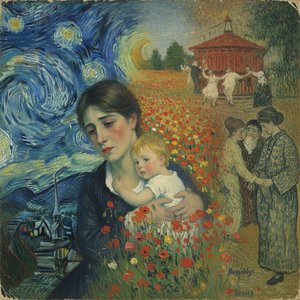
Capturing the Soul: The Most Emotionally Moving Impressionist and Post-Impressionist Masterpieces
Discover the profound emotional depth of Impressionist and Post-Impressionist masterpieces. Explore how legends like Monet, Van Gogh, and Gauguin captured light and soul through evocative landscapes and vibrant brushwork for a timeless connection to art history.

Cultivating Visions: A Historical Journey Through Rural Landscapes in Art
Explore the rich history of rural landscape painting with OriginalUniqueArt. Discover Impressionist masterpieces, key artists & movements. Find your perfect serene artwork and bring nature's beauty home.