

 Peržiūrėti realaus dydžio版
 Siųsti
 Dalintis
 Išsamiau
 Vadovas

 Atsisiųsti
 Panašūs eksponatai
 Rentgeno spindulių nuotrauka
 Diaporama
 Statistika
Calder's Circus


 Rodyti daugiau
Šiame puslapyje rodomas meno kūrinys yra saugomas autorių teisių įstatymais, todėl neturime teisės legaliai kurti ar parduoti jo identiškos reprodukcijos. Ši apsauga užtikrinama remiantis tokiais tarptautiniais susitarimais kaip Bernės konvencija ir pagal nacionalines įstatymų nuostatas, įskaitant tas, kurias nurodo JAV autoriškos teisės įstatymas – 17-asis skyrius.
Šis metodas visiškai atitinka autorių teises, nes jame nėra kūrinio kopijavimo ar dubliavimo. Tai yra kūrybinė reinterpretacija – naujas paveikslas, kurį įkvėpė originalas, tačiau kuris nėra jo identiškas.
Giclée / Meno spausdinimas
Muziejų lygio „giclée“ arba drobos spausdinimas: greita gamyba ir lankstios apdailos parinktys. ( Pirkti rankomis tapytą reprodukciją Perejti prie skaitmeninių vaizdų)




P118B €10

P118H €10

P118W €10

P438Z €10

P508JH €12

P508YH €12

P805H €10

P805Z €10

P919BZ €10

P919G €10

P919XJ €10

P959ZH €10

P968JZ €12

W106C €8

W218G €10

W218JH €8

W218Y €10

W307PJ €10

W316G €10

W316PJ €8

W316Y €10

W398PJ €8

W4111J €10

W500HY €15

W500JH €15

W692G €12

W849H €8

W940BG €15

W953PJ €8




Pasirinkite iš mūsų nustatytų dydžių, atitinkančių originalaus meno kūrinio proporcijas.

Type the width and the height you need, to fit your frame or your wall. A print can only be cut, never made bigger than the picture, so a size with a different shape loses a part of the image. We send you a digital mockup to approve before we print anything. The picture shown on this page does not show the real cut — only the mockup does.
Pristatymas visame pasaulyje () per 2 weeks, o ne įprastas 4/5 savaičių laikotarpis. (14 spalis)

Nemokamas greitasis pristatymas visame pasaulyje

Aukštos kokybės lininis drobė

Pilnas siuntimo draudimas

Muitinės mokesčių grąžinimo garantija

Tikro spalvų atitikimo garantija

100 dienų grąžinimo politika (tik esant įtaigoms)

100% pinigų grąžinimo garantija

Nuolaida dideliems užsakymams
 Stiklo variantas prieinamas tik pasirinkus dydį iki 110 cm

Calder's Circus
Giclée / Meno spausdinimas
Reprodukcijos dydis
-


Visų pasirinktų variantų kaina
€ 69
Alexander Milne Calder's Miniature Circus: A Testament to Precision and Play
Alexander Milne Calder’s “Calder’s Circus,” created in 1931, is more than just a charming miniature scene; it’s a meticulously crafted meditation on movement, spectacle, and the enduring allure of childhood dreams. Born in Aberdeen, Scotland, in 1898, Calder’s journey from architectural sculpture to the creation of these intricate tabletop worlds reveals a lifelong fascination with balance, form, and the expressive potential of space. This particular piece, a testament to his burgeoning skill and artistic vision, captures the vibrant energy of a circus performance within a remarkably compact scale.
The photograph itself presents a world meticulously rendered in miniature. The central circus ring, a three-tiered stage for fantastical acts, immediately draws the eye. Each performer – acrobats poised on ropes, a figure balancing with breathtaking poise, and perhaps even a clown amidst the organized chaos – is imbued with a sense of dynamic action frozen in time. Calder’s genius lies not just in depicting these figures but in conveying their movement through subtle shifts in posture and the carefully considered placement of each element. The dark background serves to amplify the richness of the colors employed, creating a dramatic contrast that enhances the visual impact.
Technique and Materials: A Masterclass in Miniature
Calder’s technique is characterized by an almost obsessive attention to detail. The craftsmanship displayed here is extraordinary, utilizing a variety of materials and textures to achieve remarkable depth within the miniature world. Notice the varied patterns and colors of the performers' costumes – each suggesting a distinct character or act, inviting the viewer to imagine the unfolding spectacle. The flooring, rendered in a realistic wooden texture, contrasts beautifully with the smooth finish of the ropes and banners, further emphasizing the tactile quality of the piece. This careful manipulation of materials speaks to Calder’s dedication to realism within his abstract forms.
The use of bold lettering – “CIRCUS” emblazoned across the flags – adds a layer of theatricality, reinforcing the theme of performance and spectacle. The placement of these banners, along with the surrounding poles, contributes to the overall sense of organized chaos that defines a circus environment. It’s clear Calder wasn't simply replicating a scene; he was constructing an illusion, a carefully orchestrated representation of a beloved tradition.
Symbolism and Historical Context
"Calder’s Circus" reflects the broader artistic trends of the early 20th century, particularly the rise of Surrealism and Dadaism. While Calder wouldn't be formally associated with these movements, his work shares their emphasis on playful distortion, dreamlike imagery, and a rejection of traditional representational norms. The circus itself has long been a potent symbol – representing escape, illusion, and the triumph of imagination over reality. Created in 1931, during the Great Depression, this piece may also be interpreted as a nostalgic yearning for simpler times and a celebration of human ingenuity and entertainment.
This miniature circus is a captivating example of Alexander Milne Calder’s artistic talent and his ability to transform everyday subjects into extraordinary works of art. A hand-painted reproduction offers an unparalleled opportunity to bring this intricate scene into your home, adding a touch of whimsy, elegance, and historical significance to any interior space.
问答 (or more naturally for a website heading): Klausimai ir atsakymai
Kokią vietą meno istorijoje užima „Calder's Circus“, autorius – Aleksandras Milnas Kalderis?
Dailos istorinė „Calder's Circus“, autorius – Aleksandras Milnas Kalderis klasifikacija yra Kinetic Sculpture, 19th Century laikotarpiu.
Kokią emociją sukelia „Calder's Circus“ kaip dovana?
Joyful kūrinio „„Calder's Circus“, autorius – Aleksandras Milnas Kalderis“ nuotaika dera su jo rekomenduojama progia: Birthday.
Kas yra „Calder's Circus“ autorius ir kokia kūrinio data?
„Calder's Circus“ autorius yra Aleksandras Milnas Kalderis, o kūrinys datuojamas 1931 m.
Autoriaus biografija
Pradiniai Metai ir Formavimasis
Aleksandras Milnas Kalderis, gimęs 1846 metais Aberdyne, Škotijoje, buvo skulptorius, kurio gyvenimas ir kūryba atspindi XIX amžiaus meno permainas. Nors dažnai minimas kaip filadelfietiškos architektūros skulptūrų meistras, Kalderio kelias į meną prasidėjo gerokai anksčiau, Škotijoje, kur jis dirbo kartu su žymiu skulptoriumi Džonu Rindu. Studijuodamas Karališkojoje Edinburgo Akademijoje, Kalderis greitai pajuto stiprų potraukį į monumentaliosios skulptūros pasaulį. Vėliau persikėlęs į Londoną, jis prisidėjo prie Alberto memorialo kūrimo – ambicingo projekto, kuris padėjo jam įgyti patirties ir supratimą apie didelio mastelio skulptūrų gamybą. 1868 metais Kalderis emigravo į Jungtines Valstijas, apsigyvendamas Filadelfijoje, kur pradėjo naują gyvenimo etapą.
Filadelfijos Era ir Architektūrinės Skulptūros Meistrybė
Įsikūręs Filadelfijoje, Kalderis tęsė savo mokymus pas žinomą skulptorių Jozefą A. Beilį ir lankė pamokas su Tomu Eikinsu Pensilvanijos meno akademijoje. Šie mokytojai padėjo jam tobulinti techniką ir išvystyti unikalų stilių. Tačiau didžiausią šlovę Kalderiui atnešė ambicingas užsakymas – Filadelfijos Rotušės skulptūrinis papuošimas. Tai buvo monumentali užduotis, apimanti daugiau nei 250 marmuro ir bronzos kūrinių, kuriems sukurti prireikė net dvidešimt metų kruopštaus darbo. Kalderio vizija Rotušei suteikė didingumo ir simbolizmo, įkūnijant miesto istoriją ir idealus.
Pagrindiniai Darbai ir Kūrybinis Palikimas
Be Rotušės papuošimo, Aleksandro Milno Kalderio kūryboje išskiriami keli svarbūs darbai. Viljamo Peno statula, didžiulė bronzinė skulptūra, turėjo vainuoti Rotušės bokštą, simbolizuodama miesto įkūrėjo garbingumą. Taip pat verta paminėti Indiečio figūrą, sukurtą prieš ją montuojant ant Rotušės fasado, ir kruopščiai apšviestus Pietų bei Vakarų portalo, kuriuose spalvotos šviesos pabrėždavo skulptūrų detalę. Kalderio darbai pasižymėjo preciziškumu, detaliu atlikimu ir gebėjimu sujungti monumentalumą su estetišku grožiu.
Šeimos Palikimas ir Įtaka Kitos Kartos Skulptoriams
Aleksandro Milno Kalderio įtaka neapsiribojo jo pačio kūryba. Jo sūnus, Aleksandras Stirlingas Kalderis, taip pat tapo žymiu skulptoriumi, o anūkas – Aleksandras “Sendis” Kalderis – XX amžiaus meno pasaulyje išgarsėjo savo mobiliaisiais objektais. Šeimos tradicija menų srityje tęsėsi per kelias kartas, įrodydama Kalderio dinastijos stiprų paveldo svarbą. Aleksandro Milno Kalderio darbai ir jo šeimos kūrybinis palikimas šiandien saugomi įvairiuose muziejuose, tokiuose kaip Smithsonian American Art Museum ir Galleria Civica di Arte Moderna e Contemporanea Torino, leidžiantys grožėtis šios skulptūrų dinastijos nuveiktais darbais.
Istorinė Reikšmė ir Atminimas
Aleksandras Milnas Kalderis užima svarbią vietą Amerikos skulptūros istorijoje. Jo darbai, ypač Filadelfijos Rotušės papuošimas, simbolizuoja XIX amžiaus architektūrinio meno ambicijas ir meistriškumą. Kalderio kūryba atspindi jo gebėjimą sujungti monumentalųjį stilių su detalėmis ir estetišku grožiu. Jo indėlis į meną bus švenčiamas ir studijuojamas dar daugelį kartų, o jo šeimos palikimas tęsis per kitus skulptorius, įkvėptuosius Kalderio vizijos.

Aleksandras Milnas Kalderis
1898 - 1976 , Jungtinė Karalystė
Trumpa informacija apie kūrėją
- Gimimo Data: 1846 rugpjūčio 23 d.
- Gimimo Vieta: Aberdeen, Jungtinė Karalystė
- Menininkai, Kuriuos Įtakojo:
- Alexander Stirling Calder
- Alexander Calder
- Meninis Stilius: Architektūrinė skulptūra
- Mirties Data: 1923 birželio 14 d.
- Pilietybė: Škotis-amerikietis
- Pilnas Vardas: Alexander Milne Calder
- Įtakoję Menininkai: ['John Rhind']
- Žymiausi Darbai:
- Filadelfijos rotušė
- William Penn statula
- Indėno figūra
Susiję straipsniai

Bronze Sculptures That Defined Art History | OriginalUniqueArt
Journey through art history with our Top 10 bronze sculptures! Explore masterpieces by Rodin, Michelangelo & more. Discover stories behind iconic statues and find museum-quality reproductions for your home decor at OriginalUniqueArt.com.
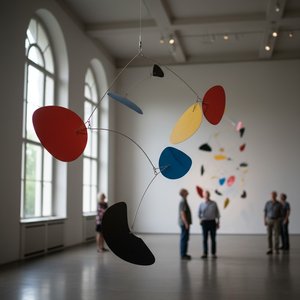
Alexander Calder: Kinetic Sculpture, Mobile Art & the Poetics of Chance
Explore the revolutionary world of Alexander Calder's kinetic sculptures & mobiles. Discover insights for collectors, acquisition advice, and the enduring legacy of this modern master. Expert analysis & art valuation.

The Enduring Form: Sculpture Across History, Technique & Emotional Resonance
Explore the rich history of sculpture with OriginalUniqueArt. Discover key techniques, influential artists & investment potential for discerning collectors. Expert insights into valuing and collecting timeless masterpieces.

The Enduring Form: Exploring Themes & Techniques in Sculpture Across Historical Periods
Explore the rich history of sculpture from ancient masterpieces to contemporary innovations. Discover key techniques, influential artists & investment potential for discerning art collectors.

Bronze Age to Modern Masters: 10 Sculptures That Redefined Art | OriginalUniqueArt
Journey through art history with 10 legendary bronze sculptures – from Michelangelo's David to Rodin’s Thinker. Explore the stories, techniques & timeless beauty of these masterpieces. Find museum-quality reproductions & elevate your home decor on OriginalUniqueArt.com.
