Peržiūrėti realaus dydžio版
 Siųsti
 Dalintis
 Išsamiau
 Vadovas

 Atsisiųsti
 Panašūs eksponatai
 Rentgeno spindulių nuotrauka
 Diaporama
 Statistika
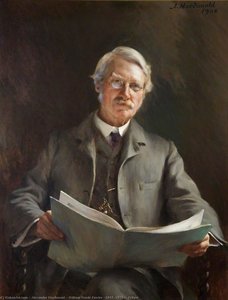
The Lord Belper
 1902
1902 152.0 x 86.0 cm
 Rodyti daugiau
Rankų darbo aliejinės reprodukcijos
Rankiniu būdu tapytas aliejus ant droblio jūsų pageidaujamame dydį ir rėmuose – mūsų menininkų darbas pagal užsakymą. ( Perjungti į spausdinimą Perejti prie skaitmeninių vaizdų)




































Pasirinkite iš mūsų nustatytų dydžių, atitinkančių originalaus meno kūrinio proporcijas.

Galite įvesti savo matmenis, kad jie atitiktų konkretų rėmą ar erdvę. Jei pasirinktas dydis neatitinka originalaus paveikslėlio proporcijų, mes arba apkropsime meno kūrinį, arba papildysime tapybą rankomis dažytい elementais. Prieš pradėdami gamybą, jūsų patvirtinimui atsiųsime skaitmeninį maketą.
Atkreipkite dėmesį, kad ekrane rodomas vaizdas neatspindi tikrojo apkarpymo ar papildymo. Tik maketas tiksliai parodys galutinę kompoziciją.
Nors galima rinktis ir individualius dydžius, rekomenduojame pasirinkti matmenis iš nustatytos sąrašo, kad būtų išlaikytos originalios proporcijos.
Gavus užsakymą, OriginalUniqueArt.com komanda susisieks su klientu el. paštu dėl instrukcijų ir pateiks maketo pavyzdį
Pristatymas visame pasaulyje () per 3–4 savaites, o ne įprastai – per 5 savaites. (26 rugsėjis). Kokybė lieka nepakeičiama.

Nemokamas greitasis pristatymas visame pasaulyje

Aukštos kokybės lininis drobė

Pilnas siuntimo draudimas

Muitinės mokesčių grąžinimo garantija

Tikro spalvų atitikimo garantija

100 dienų grąžinimo politika (tik esant įtaigoms)

100% pinigų grąžinimo garantija

Nuolaida dideliems užsakymams
 Stiklo variantas prieinamas tik pasirinkus dydį iki 110 cm

The Lord Belper
Reprodukcijos technika
Reprodukcijos dydis
-


Visų pasirinktų variantų kaina
$ 300
Autoriaus biografija
A Glimpse into Victorian Lives: The Art of Alexander Macdonald
Alexander Macdonald, born in 1837, was a Scottish artist who quietly documented the essence of his era through an extraordinary gift for portraiture and sketching. While not as widely celebrated as some of his contemporaries, Macdonald’s work offers a uniquely intimate window into Victorian society, capturing not just likenesses but also the character and atmosphere of the time. His life, though relatively undocumented in grand biographical detail, was dedicated to honing his skills and producing an impressive body of work that continues to resonate with those seeking a deeper connection to 19th-century Scotland and beyond. He lived until 1885, leaving behind a legacy of detailed observations rendered with remarkable sensitivity.Early Training and Artistic Development
Details surrounding Macdonald’s formal artistic training remain somewhat elusive. However, the precision and skill evident in his sketches suggest a rigorous apprenticeship or dedicated study under an established artist. He quickly gravitated towards portraiture, recognizing its potential to explore human psychology and social standing. Unlike many artists who sought dramatic historical narratives or sweeping landscapes, Macdonald found beauty and meaning in the everyday faces of Victorian life – merchants, landowners, families, and individuals from all walks of society. His early works demonstrate a clear understanding of light and shadow, employing techniques reminiscent of the Dutch Masters, particularly in his ability to capture texture and realism. He wasn’t interested in idealization; instead, he strived for an honest representation of his subjects, flaws and all. This commitment to authenticity would become a defining characteristic of his style.Capturing Victorian Society: Themes and Techniques
Macdonald's artistic output primarily focused on portraiture, but it was the *way* he approached this genre that set him apart. He wasn’t merely creating images for wealthy patrons; he was building a visual archive of Victorian life. His sketches, often executed with charcoal or graphite, are particularly compelling – quick studies that reveal a remarkable ability to capture fleeting expressions and subtle nuances of personality. These weren't preliminary drawings for larger paintings, but works of art in their own right, prized for their immediacy and intimacy.- Portraiture as Social Commentary: Macdonald’s portraits often reveal details about the sitter’s profession or social status through clothing, accessories, and background elements. He subtly hinted at the complexities of Victorian class structures.
- The Power of Observation: His landscapes, though less frequent than his portraits, demonstrate a keen eye for detail and an appreciation for the natural beauty of Scotland. They often served as backdrops for his portraiture, grounding his subjects in their environment.
- A Focus on Character: Macdonald’s work is notable for its psychological depth. He wasn't simply interested in physical resemblance; he sought to capture the inner life of his sitters.