

 Peržiūrėti realaus dydžio版
 Siųsti
 Dalintis
 Išsamiau
 Vadovas

 Atsisiųsti
 Panašūs eksponatai
 Rentgeno spindulių nuotrauka
 Diaporama
 Statistika
Blossoms
 Oil On Canvas
- WallArt
- Pre-Raphaelite
 1881
1881 46.0 x 147.0 cm
 Tate muziejus
 Rodyti daugiau
Giclée / Meno spausdinimas
Muziejų lygio „giclée“ arba drobos spausdinimas: greita gamyba ir lankstios apdailos parinktys. ( Pirkti rankomis tapytą reprodukciją Perejti prie skaitmeninių vaizdų)




P118B €10

P118H €10

P118W €10

P438Z €10

P508JH €12

P508YH €12

P805H €10

P805Z €10

P919BZ €10

P919G €10

P919XJ €10

P959ZH €10

P968JZ €12

W106C €8

W218G €10

W218JH €8

W218Y €10

W307PJ €10

W316G €10

W316PJ €8

W316Y €10

W398PJ €8

W4111J €10

W500HY €15

W500JH €15

W692G €12

W849H €8

W940BG €15

W953PJ €8




Pasirinkite iš mūsų nustatytų dydžių, atitinkančių originalaus meno kūrinio proporcijas.

Įveskite jums reikiamą plotį ir aukštį, kad atvaizdas derėtų prie jūsų rėmo ar sienos. Spausdiną galima tik sumažinti, bet nepadidinti virš originalaus paveikslėlio dydžio, todėl keičiant proporcijas, dalis vaizdo prarandama. Prieš spausdinimą atsiųsime jums skaitmeninį maketą patvirtinimui. Šioje puslapio nuotraukoje matomas pjūvis nėra tikslus – jį rodo tik maketas.
Pristatymas visame pasaulyje () per 2 weeks, o ne įprastas 4/5 savaičių laikotarpis. (22 spalis)

Nemokamas greitasis pristatymas visame pasaulyje

Aukštos kokybės lininis drobė

Pilnas siuntimo draudimas

Muitinės mokesčių grąžinimo garantija

Tikro spalvų atitikimo garantija

100 dienų grąžinimo politika (tik esant įtaigoms)

100% pinigų grąžinimo garantija

Nuolaida dideliems užsakymams
 Stiklo variantas prieinamas tik pasirinkus dydį iki 110 cm

Blossoms
Giclée / Meno spausdinimas
Reprodukcijos dydis
-


Visų pasirinktų variantų kaina
€ 70
A Moment Frozen in Time: Exploring Albert Moore’s ‘Blossoms’
Albert Joseph Moore's “Blossoms,” completed in 1881, stands as a quintessential example of Pre-Raphaelite Romanticism—a testament to meticulous observation and an unwavering devotion to beauty. More than just a depiction of flowers, it embodies a profound meditation on femininity, stillness, and the delicate interplay between nature and artifice. This captivating oil painting resides within the Tate Gallery’s collection, offering viewers a glimpse into the artistic sensibilities of Victorian England.The Composition: A Symphony of Lines and Shapes
Moore skillfully employs geometric principles to orchestrate his scene. The vertical format dominates the canvas, emphasizing height and conveying a sense of grandeur—a deliberate echo of classical sculpture. Within this framework, a woman occupies the central position, draped in flowing pink robes that cascade downwards like petals themselves. Her posture exudes serenity, mirroring the tranquil beauty of the surrounding blossoms. Lines are smooth and curving, particularly evident in the drapery and flower stems, creating an organic flow that guides the eye across the composition. Shapes are predominantly curvilinear—the woman’s form, the floral arrangement, and the folds of fabric—reflecting the influence of Japanese prints, a burgeoning trend during Moore's time which championed subtle coloration and decorative patterns.Technique: Impasto and Detail – Capturing Essence
Moore’s technique is characterized by impasto—thickly applied paint—which lends textural richness to the artwork. This deliberate layering builds depth and simulates the tactile qualities of real blossoms, inviting viewers to imagine the velvety softness of petals and the delicate fragrance of flowers. The artist's meticulous brushwork captures every nuance of light and shadow, enhancing the sense of realism while simultaneously elevating the painting beyond mere representation. Careful attention is paid to detail—the intricate folds of fabric, the subtle variations in color within the blossoms—demonstrating Moore’s unwavering commitment to capturing the essence of his subject matter.Symbolism: White Flowers and Crimson Curtain – Layers of Meaning
The choice of white flowers as a backdrop speaks volumes about purity and remembrance—themes frequently explored by Pre-Raphaelite artists. They symbolize innocence, virtue, and spiritual contemplation, aligning perfectly with Moore’s artistic vision. Conversely, the crimson curtain introduces an element of drama and passion, hinting at hidden emotions or perhaps suggesting a secret rendezvous. This juxtaposition reinforces the painting's contemplative mood while simultaneously stimulating intellectual curiosity. The artist’s use of color is restrained yet purposeful—primarily pinks and reds—creating a harmonious palette that complements the floral motif and enhances its visual impact.Historical Context: Japonisme and Victorian Aestheticism
“Blossoms” emerged during the height of Japonisme—the fascination with Japanese art and culture among Western European artists—a movement fueled by Commodore Perry’s opening of Japan to trade in 1853. Moore embraced these aesthetic principles, prioritizing decorative design and subtle coloration over literal realism. This aligns seamlessly with Victorian Aestheticism, which championed beauty for its own sake and rejected didactic narratives. The painting exemplifies the Pre-Raphaelites' desire to recapture the spirit of medieval art—characterized by idealized forms and luminous colors—a reaction against the prevailing academic conventions of the era. Moore’s masterpiece continues to inspire admiration for its exquisite craftsmanship and profound artistic vision, securing its place as a cornerstone of Victorian Romanticism.问答 (or more naturally for a website heading): Klausimai ir atsakymai
Kaip rasti panašių kūrinių kaip „Blossoms“, autorius – Albertas Džozefas Muras?
Įrenginiai, panašūs į „Blossoms“, autorius – Albertas Džozefas Muras, surinkti kūrinio Panašūs kūriniai puslapio.
Kiek šviesos, kaip atrodo, atspindi „Blossoms“ spalvos?
Įrašytas kūrinio „Blossoms“, autorius – Albertas Džozefas Muras šviesumas yra Gentle Luminance.
Kur galiu rasti „Blossoms“ vadovą?
Dėl „Blossoms“, autorius – Albertas Džozefas Muras yra prieinama Gidas puslapio: spausdinamas informacinis lapelis apie kūrinį, skirtas studentams ir mokomajamiam procesui klasėje.
Autoriaus biografija
ankstyvasis gyvenimas ir išsilavinimas
Albertas Josephas Moore'as, žymus anglų tapystojas, gimė 1841 m. rugsėjo 4 d. York, Jungtinėje Karalystėje. Jis buvo tryliktas sūnus ir ketvirtasis vaikas iš garsiojo portretinio tapytojo Williamo Moore'o ir jo antrosios žmonos Sarah Collingham šeimos. Keli iš jo daugybės brolių taip pat buvo išmokti kaip menininkai, įskaitant Henry Moore'ą, R.A., pastebėtą jūrų tapybos meistrą. Albertas mokėsi Archbishop Holgate's ir St. Peter's mokyklose Yorke, kur jis taip pat gavo dailės ir tapybos pamokų iš savo tėvo.meninė karjera
Moore'o ankstyvieji darbai atspindi Ruskino įtaką, o jau 1857 m. jis dalyvavo parodoje Karališkojoje akademijoje, pristydamas čipčelių ir medvėnėlių paveikslus. Jo meninis stilius laikui bėgant evoliucionavo, o 1860-aisiais išryškėjo ryški neklasikinė charakteristika. Šiuo periodu Moore'as ne tik kūrė keramikos plyteles, tapetus ir vitražus bendriei „Morris, Marshall, Faulkner and Co.“, bet taip pat dirbo kaip sakralių ir buitinių sienų freskos paveikslų meistras.pastebėti darbai ir stilius
Moore'o paveiksluose dažniausiai matomos vienatvės moteriškos figūros su formalizuotomis proporcijomis, neklasikinėmis audiniais draperijomis ir gėlėmis, taip sukuriant pagrindinę estetinio judėjimo kryptį.로 Štai keletas jo iškilmingų kūrinių:- „Marmuro sėdynė“ (1865), ilgas grynai dekoratyvinių paveikslų ciklas
- „Elijos aukas“ (1863), rodantis Ford Madox Brown ir Edward Armitage įtaką
- „Metų ir vėjų meilės“, vienas jo kruopščiausių ir sudėtingiausių darbų, nufilmuotas (nutapytas) pirkėjui Mr. McCulloch
muziejai ir kolekcijos
Darbai, kuriuos sukūrė Moore'as, galima rasti įvairiuose muziejuose, įskaitant:- York Museums Trust (York, Jungtinė Karalystė), kuriame saugomi tokie paveikslai kaip „Kingcups“
- Karališkoji akademija (Londonas, Jungtinė Karalystė), kurioje Moore'as dažnai dalyvavo parodose
paliktis ir vėlesnieji metai
Moore'as visada pasitikėjo tik savo nuomone tiek socialiniuose, tiek meniniuose klausimuose, o tai kartais tapo kliūtimi jo priėmimui į Karališkosios akademijos rangas. Nepaisant kančios ir negydomos ligos, Moore'as dirbo iki pat savo mirties 1893 m. rugsėjo 25 d.- Rodyti daugiau Albertas Josephas Moore'as darbus svetainėje https://OriginalUniqueArt.com/@/albertjosephmoore
- Tyrinėkite York Museums Trust kolekciją adresu https://OriginalUniqueArt.com/@@/as844t-albert-joseph-moore-kingcups
- Sužinokite daugiau apie estetinį judėjimą ir jo žymiausius menininkus https://en.wikipedia.org/wiki/aesthetic_movement
- Albertas Josephas Moore'as biografija Wikipedijoje: https://en.wikipedia.org/wiki/albert_joseph_moore
- Tyrinėkite York Museums Trust kolekciją adresu https://OriginalUniqueArt.com/@@/as844t-albert-joseph-moore-kingcups

Albertas Džozefas Muras
1841 - 1893 , Jungtinė Karalystė
Trumpa informacija apie kūrėją
- Artistic Movement Or Style: Estetizmo judėjimas
- Artists Who Influenced This Artist:
- Ruskinas
- Fordas Madoksas Brownas
- Edwardas Armitage
- Date Of Birth: 1841 m. rugsėjo 4 d.
- Date Of Death: 1893 m. rugsėjo 25 d.
- Full Name: Albert Joseph Moore
- Nationality: Britų
- Notable Artworks:
- Marmurinė sėdynė
- Elijos aukas
- Metų laikų meilės
- Place Of Birth: York, Jungtinė Karalystė
Susiję straipsniai

Pre-Raphaelite Romanticism: A Guide to Vivid Detail and Medieval Beauty in Victorian Art
Explore the vivid detail and medieval beauty of Pre-Raphaelite Romanticism. Discover the history of masters like Rossetti and Millais through our expert guide to Victorian art, perfect for collectors and professionals seeking authentic, museum-quality reproductions.

Dante Gabriel Rossetti: 25 Šedevrai, Įkvėpę Kartas | OriginalUniqueArt.lt
Atraskite 25 įspūdingiausius Dante Gabriel Rossetti šedevrus! Išsami analizė, meno istorija ir įkvėpimas interjerui. Reprodukcijos aliejumi – prerafaelitų klasika jūsų namams. Explore the full collection online!

Sir John Everett Millais: Pre-Raphaelite Rebellion & Victorian Narrative Detail
Explore the revolutionary art of Sir John Everett Millais & the Pre-Raphaelite Brotherhood. Discover their radical realism, symbolic narratives, and lasting impact on Victorian aesthetics. A deep dive into 19th-century masterpieces.
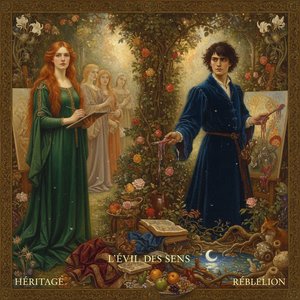
The Pre-Raphaelite Brotherhood: Reclaiming Beauty, Nature, and Truth in Victorian Art History
Explore the revolutionary Pre-Raphaelite Brotherhood. Discover how these visionary artists rejected academic tradition to reclaim beauty, nature, and truth through luminous detail and literary depth in Victorian art history.

The Pre-Raphaelite Brotherhood: Rediscovering Beauty, Romance, and Medieval Magic in Victorian Art
Embark on a journey through the Pre-Raphaelite Brotherhood. Discover the romantic symbolism, medieval magic, and radical beauty of Rossetti and Burne-Jones in this expert exploration of Victorian art history.