

 Peržiūrėti realaus dydžio版
 Siųsti
 Dalintis
 Išsamiau
 Vadovas

 Atsisiųsti
 Panašūs eksponatai
 Rentgeno spindulių nuotrauka
 Diaporama
 Statistika
Conveying a Child
 Oil On Canvas
- WallArt
- Realism
 1879
1879- 19th Century
 204.0 x 120.0 cm
 Ateneum meno muziejus
 Rodyti daugiau
Rankų darbo aliejinės reprodukcijos
Rankiniu būdu tapytas aliejus ant droblio jūsų pageidaujamame dydį ir rėmuose – mūsų menininkų darbas pagal užsakymą. ( Perjungti į spausdinimą Perejti prie skaitmeninių vaizdų)




P118B €10

P118H €10

P118W €10

P438Z €10

P508JH €12

P508YH €12

P805H €10

P805Z €10

P919BZ €10

P919G €10

P919XJ €10

P959ZH €10

P968JZ €12

W106C €8

W218G €10

W218JH €8

W218Y €10

W307PJ €10

W316G €10

W316PJ €8

W316Y €10

W398PJ €8

W4111J €10

W500HY €15

W500JH €15

W692G €12

W849H €8

W940BG €15

W953PJ €8




Pasirinkite iš mūsų nustatytų dydžių, atitinkančių originalaus meno kūrinio proporcijas.

Įveskite jums reikiamą plotį ir aukštį, kad paveikslas atitiktų jūsų rėmą ar sieną. Kadangi šis darbas yra rankinio darbo, siekiant išgauti kitokio formos dydį, paveikslas gali būti šiek tiek didesnis (nuo kraštų bus palikta daugiau erdvės) arba mažesnis – pasirinkite jums patogiausią variantą. Prieš pradedant tapyti, atsiųsime jums skaitmeninį maketą patvirtinimui. Šioje puslapio nuotraukoje matomas vaizdas nėra galutinis rezultatas – jį parodys tik sukurtas maketas.
Gavus užsakymą, OriginalUniqueArt.com komanda susisieks su klientu el. paštu dėl instrukcijų ir pateiks maketo pavyzdį
Pristatymas visame pasaulyje () per 3–4 savaites, o ne įprastai – per 5 savaites. (22 spalis). Kokybė lieka nepakeičiama.

Nemokamas greitasis pristatymas visame pasaulyje

Aukštos kokybės lininis drobė

Pilnas siuntimo draudimas

Muitinės mokesčių grąžinimo garantija

Tikro spalvų atitikimo garantija

100 dienų grąžinimo politika (tik esant įtaigoms)

100% pinigų grąžinimo garantija

Nuolaida dideliems užsakymams
 Stiklo variantas prieinamas tik pasirinkus dydį iki 110 cm

Conveying a Child
Reprodukcijos technika
Reprodukcijos dydis
-


Visų pasirinktų variantų kaina
€ 263
Albert Edelfelt’s ‘Conveying a Child’: A Window into Finnish Life and Sorrow
Albert Edelfelt's “Conveying a Child” (1879) is more than just a depiction of a boat journey; it’s a poignant meditation on mortality, family, and the quiet dignity found in accepting life’s inevitable sorrows. Painted during a pivotal moment in Edelfelt’s artistic development – his fervent embrace of plein-air realism – this large oil on canvas transports us to Haikko near Porvoo, Finland, a place steeped in both beauty and profound melancholy.
The scene unfolds with remarkable clarity. A group of individuals, rendered with meticulous detail, are gathered within a sturdy rowing boat navigating the waters of the Gulf of Finland. Men and women, dressed in the attire of the late 19th century, engage in conversation or simply bask in the tranquility of the moment. Two boats – a larger vessel dominating the foreground and a smaller one positioned to the right – add depth and visual interest to the composition. Edelfelt’s skill lies not just in his technical proficiency but in capturing the genuine warmth and connection between these figures, suggesting a shared experience of comfort and companionship.
Plein-Air Realism and the Rise of Finnish Art
“Conveying a Child” represents a significant shift in Edelfelt’s artistic approach. Following his time studying in Antwerp and Paris, he became increasingly committed to painting directly from nature – a revolutionary concept at the time. This dedication to *plein-air* realism was driven by a desire to capture the authentic essence of Finnish life, moving away from the idealized historical subjects favored by many of his contemporaries. Edelfelt’s decision to paint entirely outdoors, as evidenced by this work, aligns with the broader movement towards naturalism gaining traction within the European art world.
This commitment to realism was particularly important for Edelfelt, who sought to elevate Finnish culture on the international stage. His work served as a powerful visual record of rural life in Finland, showcasing its beauty and resilience – a crucial step toward establishing a distinct national identity amidst growing political pressures.
A Symbol of Loss and Remembrance
The inclusion of a coffin within the scene is undeniably the painting’s most arresting element. It immediately introduces an undercurrent of sadness and mortality, transforming what might otherwise be a simple depiction of leisure into a profound meditation on death and remembrance. The young girl in the boat, holding the coffin, adds to the emotional weight of the image – she represents innocence lost, a poignant reminder of life’s fragility.
Edelfelt's use of light and shadow further enhances this sense of solemnity. The soft, diffused sunlight creates an atmosphere of quiet contemplation, while the dark tones of the coffin contrast sharply with the brighter hues of the surrounding landscape. This juxtaposition amplifies the painting’s emotional impact, inviting viewers to reflect on themes of grief, loss, and the cyclical nature of life.
Technical Mastery and a Lasting Legacy
"Conveying a Child" is a testament to Edelfelt's mastery of oil paint. His brushwork is both precise and expressive, capturing the textures of the boat’s wood, the ripples on the water, and the subtle nuances of human expression. The painting’s scale – 204 x 120 cm – allows for a deeply immersive experience, drawing the viewer into the scene and fostering a powerful connection with the subjects.
Today, this remarkable artwork continues to resonate with audiences worldwide. Its timeless themes, combined with Edelfelt's exceptional artistic skill, ensure its place as a cornerstone of Finnish art history – a poignant reminder of life’s beauty and the inevitability of loss. OriginalUniqueArt offers a meticulously hand-painted reproduction that faithfully captures the essence of this iconic masterpiece, allowing you to bring its profound emotion into your own space.
问答 (or more naturally for a website heading): Klausimai ir atsakymai
Kokia atmosferą sukelia „Conveying a Child“?
Darbą „Conveying a Child“, autorius – Albertas Edelfeltas apibūdina Calm nuotaika. Ši klasifikacija gali padėti priderinti kūrinį prie interjero.
Kokią nuotaiką ir emociją sujungia „Conveying a Child“?
„Conveying a Child“ kūryboje Calm nuotaika lydi Reflective emociją.
Kokie yra originalaus „Conveying a Child“, autorius – Albertas Edelfeltas matmenys?
Originalaus kūrinio „Conveying a Child“, autorius – Albertas Edelfeltas matmenys yra 204 x 120 cm.
Autoriaus biografija
Ankstyvieji gyvenimo ir kūrybos keliai
Albertas Edelfeltas, gimęs liepos 21 dieną 1854 metais Porvoo mieste Suomijoje, buvo išskirtinis tapytojas, kurio vardas įėjo į Suomijos meno istoriją. Jo tėvai, Karl Albertas Edelfeltas ir Aleksandra Edelfelt (Brandt), kalbėjo švedų kalba, tačiau sūnaus gyvenime stipriai pasireiškė ryšys su gimtosios šalies kultūra. Dar jaunystėje Albertui paaiškėjo aistra menui, todėl 1869 metais jis pradėjo formalų mokymąsi Suomijos meno draugijos piešimo mokykloje. Šis žingsnis buvo pirmasis svarbus etapas jo kūrybiniame kelyje.
Mokslai ir įtaka
Edelfelto meninis ugdymas tęsėsi prestižinėse Europos meno akademijose. Antverpeno karališkojoje meno akademijoje (1873–1874) jis gilino istorinės tapybos žinias, o vėliau, Paryžiaus nacionalinėje aukštojoje meno mokykloje (1874–1878), patyręs prancūzų tapytojo Žano Leono Žeromo įtaką, tobulino savo techniką. Trumpa viešnagė Sankt Peterburge (1881–1882) praplėtė jo meninį horizontą ir suteikė naujų impulsų. Žeromo mokykla padėjo Edelfeltui išlavinti preciziškumą, detalių perteikimą ir kompozicijos subtilybes, tačiau jis niekada neatsisakė savo individualios vizijos.
Atsiskyrimas ir svarbiausi darbai
Edelfelto karjeros proveržiu tapo aukso medalis 1889 metų Paryžiaus visuotinėje parodoje. Tačiau jo meno pasaulyje išskyrė ne tik apdovanojimai, bet ir unikalus stilius bei temų pasirinkimas. Tarp žymiausių darbų – Liudviko Pastero portretas, už kurį jis buvo apdovanotas Garbės legiono ordinu 1886 metais. Šis portretas, perteikiantis mokslininko intelektą ir orumą, tapo vienu iš Edelfelto vizitinių atkortelių. Kiti svarbūs darbai – Jauna moteris savo kabinete, demonstruojantis meistrišką moteriško grožio įvaizdžio perteikimą, ir Po beržais, liūdnokas suomiškų kraštovaizdžių vaizdas.
Palikimas ir įtaka Suomijos menui
Edelfeltas buvo pirmasis suomių dailininkas, pasiekęs tarptautinės šlovės aukštumas. Jo kūryba turėjo didelį poveikį realizmo meno judėjimui Suomijoje. Jis padėjo jauniesiems tapytojams, tokiems kaip Akselis Galen-Kallela ir Gunaras Berndtsonas, įsitvirtinti Paryžiaus meno pasaulyje. Edelfelto darbai yra eksponuojami garsiausiuose muziejuose, įskaitant Atėneumo meno muziejų Helsinkyje. Jo atminimas buvo pagerbtas 2004 metais išleidus 100 eurų nominalo Alberto Edelfelto minėjimo monetą, skirtą jo 150-osioms gimimo metinėms.
Pagrindiniai darbai ir muziejų kolekcijos
Daugiau informacijos:
Albertas Edelfeltas
1854 - 1905 , Suomija
Trumpa informacija apie kūrėją
- Gimimo Data: 1854 liepos 21 d.
- Gimimo Vieta: Porvoo, Suomija
- Menininkų Įtaka: ['Akseli Gallen-Kallela']
- Meninis Stilius: Realizmas
- Mirties Data: 1905 m.
- Pilietybė: Suomis
- Pilnas Vardas: Albert Gustaf Aristides Edelfelt
- Įtakoję Menininkai: ['Jean-Léon Gérôme']
- Žymiausi Darbai:
- Portretas Liui Pasterui
- Jauna moteris boudoire
- Po beržais
Susiję straipsniai
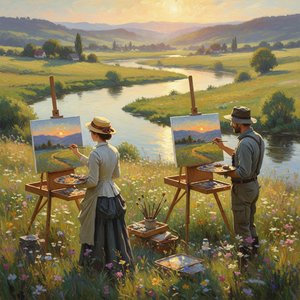
Capturing Ephemeral Light: Plein Air Painting from Impressionism to Today
Explore the history of plein air painting, from its origins with the Barbizon school to Impressionism's revolution & contemporary practice. Discover techniques, artists like Monet & Renoir, and find museum-quality reproductions at OriginalUniqueArt.
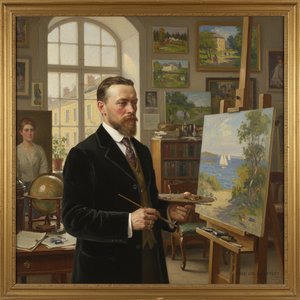
Albert Edelfelt: A Pioneer of Finnish Realism & International Impressionist Circles
Explore the life & work of Albert Edelfelt, a pioneering Finnish Realist painter who bridged Impressionism & national identity. Discover his masterpieces and lasting influence on art history.

Capturing Ephemeral Light: A Comprehensive Exploration of Plein Air Painting's History & Enduring Legacy
Explore the rich history of plein air painting, from its origins to Impressionism & beyond. Discover key artists, techniques, and the enduring legacy of capturing light in landscape art. Find museum-quality reproductions at OriginalUniqueArt.
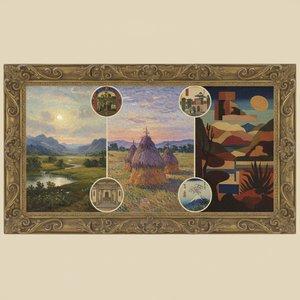
The Allure of Open Airs: Exploring Representations of Outdoors in Art History
Explore the rich history of outdoor painting! From Romantic landscapes to Impressionism's revolution, discover key artists, techniques & the enduring legacy of capturing light and nature in art. Learn more at OriginalUniqueArt.

Capturing Ephemeral Light: A Comprehensive Exploration of Plein Air Painting's History & Enduring Legacy
Explore the rich history of plein air painting, from its origins with Constable & Corot to Impressionism's revolution. Discover techniques, key artists, and the enduring legacy of capturing light outdoors. Learn more at OriginalUniqueArt.
