

 Peržiūrėti realaus dydžio版
 Siųsti
 Dalintis
 Išsamiau
 Vadovas

 Atsisiųsti
 Panašūs eksponatai
 Rentgeno spindulių nuotrauka
 Diaporama
 Statistika
Boys Playing on the Shore
 Oil On Canvas
- WallArt
- Realism
 1884
1884 107.0 x 90.0 cm
 Ateneum meno muziejus
 Rodyti daugiau
Giclée / Meno spausdinimas
Muziejų lygio „giclée“ arba drobos spausdinimas: greita gamyba ir lankstios apdailos parinktys. ( Pirkti rankomis tapytą reprodukciją Perejti prie skaitmeninių vaizdų)




P118B €10

P118H €10

P118W €10

P438Z €10

P508JH €12

P508YH €12

P805H €10

P805Z €10

P919BZ €10

P919G €10

P919XJ €10

P959ZH €10

P968JZ €12

W106C €8

W218G €10

W218JH €8

W218Y €10

W307PJ €10

W316G €10

W316PJ €8

W316Y €10

W398PJ €8

W4111J €10

W500HY €15

W500JH €15

W692G €12

W849H €8

W940BG €15

W953PJ €8




Pasirinkite iš mūsų nustatytų dydžių, atitinkančių originalaus meno kūrinio proporcijas.

Įveskite jums reikiamą plotį ir aukštį, kad atvaizdas derėtų prie jūsų rėmo ar sienos. Spausdiną galima tik sumažinti, bet nepadidinti virš originalaus paveikslėlio dydžio, todėl keičiant proporcijas, dalis vaizdo prarandama. Prieš spausdinimą atsiųsime jums skaitmeninį maketą patvirtinimui. Šioje puslapio nuotraukoje matomas pjūvis nėra tikslus – jį rodo tik maketas.
Pristatymas visame pasaulyje () per 2 weeks, o ne įprastas 4/5 savaičių laikotarpis. (27 spalis)

Nemokamas greitasis pristatymas visame pasaulyje

Aukštos kokybės lininis drobė

Pilnas siuntimo draudimas

Muitinės mokesčių grąžinimo garantija

Tikro spalvų atitikimo garantija

100 dienų grąžinimo politika (tik esant įtaigoms)

100% pinigų grąžinimo garantija

Nuolaida dideliems užsakymams
 Stiklo variantas prieinamas tik pasirinkus dydį iki 110 cm

Boys Playing on the Shore
Giclée / Meno spausdinimas
Reprodukcijos dydis
-


Visų pasirinktų variantų kaina
€ 70
A Moment of Finnish Childhood: Albert Edelfelt’s “Boys Playing on the Shore”
Albert Edelfelt's "Boys Playing on the Shore," painted in 1884, isn’t merely a depiction of children at play; it’s a poignant distillation of Finnish summer days and the enduring innocence of youth. This oil painting, housed within the walls of Helsinki’s Ateneum art museum, captures a fleeting moment of carefree joy against the backdrop of a serene lakeside scene. More than just a pretty picture, “Boys Playing on the Shore” offers a glimpse into Edelfelt's artistic philosophy and his deep connection to the Finnish landscape.
The painting centers around three young boys engaged in a spirited game near the water’s edge. Their activity – constructing a rudimentary boat from driftwood – speaks volumes about their youthful imagination and resourcefulness. The figures are rendered with remarkable realism, yet imbued with an almost dreamlike quality. Edelfelt masterfully employs light and shadow to create depth and atmosphere, drawing the viewer into this intimate tableau. Notice how the sunlight glints off the water, illuminating the boys’ faces and highlighting the textures of their clothing and the rough bark of the shoreline rocks.
A Masterclass in Realism and Impressionistic Technique
Edelfelt's artistic journey led him through various movements, but he consistently blended academic precision with a sensitivity to light and atmosphere. “Boys Playing on the Shore” exemplifies this approach. The painting showcases his meticulous brushwork – each stroke carefully considered to capture the nuances of texture and form. He utilizes a muted color palette dominated by earthy tones—ochres, browns, greens, and blues—reflecting the natural hues of the Finnish landscape. However, he subtly incorporates brighter highlights to draw attention to key elements, such as the boys’ faces and the shimmering water.
The composition itself is carefully balanced, guiding the eye from the foreground figures towards the distant boats on the lake. This use of perspective creates a sense of depth and distance, anchoring the scene within its natural environment. Edelfelt's training in history painting is evident in his attention to detail and his ability to convey a sense of realism, yet he skillfully adapts these techniques to capture the immediacy and spontaneity of everyday life.
Historical Context and Finnish Identity
Painted during a period of growing national consciousness in Finland, “Boys Playing on the Shore” resonates with themes of Finnish identity and connection to the land. Edelfelt’s work often explored scenes of rural life and celebrated the beauty of the Finnish landscape – a subject he felt deeply connected to. Following his time in Paris, where he initially focused on historical painting, Edelfelt returned to Finland and began to embrace the Impressionistic style, capturing the essence of Finnish nature with remarkable accuracy and sensitivity.
The choice of a simple, everyday activity—building a boat—is significant. It represents a rejection of grand narratives and an appreciation for the beauty found in ordinary moments. This focus on accessible subjects and relatable experiences aligns with Edelfelt’s broader artistic vision, which sought to portray the lives and landscapes of his countrymen.
Symbolism and Emotional Resonance
Beyond its technical brilliance, “Boys Playing on the Shore” carries a powerful emotional resonance. The painting evokes feelings of nostalgia, innocence, and joy—a longing for simpler times. The boys’ unburdened play suggests a freedom from adult concerns, offering a momentary escape into a world of imagination and delight. It's a scene that speaks to the universal experience of childhood and the enduring power of memory.
Reproductions of this captivating artwork can bring a touch of Finnish charm and timeless beauty to any interior space. Whether displayed in a living room, study, or gallery, “Boys Playing on the Shore” serves as a reminder of the simple pleasures of life and the importance of cherishing those precious moments of childhood joy.
问答 (or more naturally for a website heading): Klausimai ir atsakymai
Kokio erdvės spalvos derėtų prie „Boys Playing on the Shore“, autorius – Albertas Edelfeltas spalvų?
„Boys Playing on the Shore“, autorius – Albertas Edelfeltas Neutrals spalvos dera su rekomenduojama erdvė: tai Living Room.
Kokia emocinė nuotaika lydi „Boys Playing on the Shore“ kūrinį, priskiriamą Realism stiliui?
Realism stiliaus metu „Boys Playing on the Shore“ užfiksuotas Nostalgic tonu.
Kaip galiu peržiūrėti „Boys Playing on the Shore“, autorius – Albertas Edelfeltas reprodukciją?
Prežiūrėti „Boys Playing on the Shore“, autorius – Albertas Edelfeltas galima puslapio Peržiūra kūrinio peržiūros puslapyje.
Autoriaus biografija
Ankstyvieji gyvenimo ir kūrybos keliai
Albertas Edelfeltas, gimęs liepos 21 dieną 1854 metais Porvoo mieste Suomijoje, buvo išskirtinis tapytojas, kurio vardas įėjo į Suomijos meno istoriją. Jo tėvai, Karl Albertas Edelfeltas ir Aleksandra Edelfelt (Brandt), kalbėjo švedų kalba, tačiau sūnaus gyvenime stipriai pasireiškė ryšys su gimtosios šalies kultūra. Dar jaunystėje Albertui paaiškėjo aistra menui, todėl 1869 metais jis pradėjo formalų mokymąsi Suomijos meno draugijos piešimo mokykloje. Šis žingsnis buvo pirmasis svarbus etapas jo kūrybiniame kelyje.
Mokslai ir įtaka
Edelfelto meninis ugdymas tęsėsi prestižinėse Europos meno akademijose. Antverpeno karališkojoje meno akademijoje (1873–1874) jis gilino istorinės tapybos žinias, o vėliau, Paryžiaus nacionalinėje aukštojoje meno mokykloje (1874–1878), patyręs prancūzų tapytojo Žano Leono Žeromo įtaką, tobulino savo techniką. Trumpa viešnagė Sankt Peterburge (1881–1882) praplėtė jo meninį horizontą ir suteikė naujų impulsų. Žeromo mokykla padėjo Edelfeltui išlavinti preciziškumą, detalių perteikimą ir kompozicijos subtilybes, tačiau jis niekada neatsisakė savo individualios vizijos.
Atsiskyrimas ir svarbiausi darbai
Edelfelto karjeros proveržiu tapo aukso medalis 1889 metų Paryžiaus visuotinėje parodoje. Tačiau jo meno pasaulyje išskyrė ne tik apdovanojimai, bet ir unikalus stilius bei temų pasirinkimas. Tarp žymiausių darbų – Liudviko Pastero portretas, už kurį jis buvo apdovanotas Garbės legiono ordinu 1886 metais. Šis portretas, perteikiantis mokslininko intelektą ir orumą, tapo vienu iš Edelfelto vizitinių atkortelių. Kiti svarbūs darbai – Jauna moteris savo kabinete, demonstruojantis meistrišką moteriško grožio įvaizdžio perteikimą, ir Po beržais, liūdnokas suomiškų kraštovaizdžių vaizdas.
Palikimas ir įtaka Suomijos menui
Edelfeltas buvo pirmasis suomių dailininkas, pasiekęs tarptautinės šlovės aukštumas. Jo kūryba turėjo didelį poveikį realizmo meno judėjimui Suomijoje. Jis padėjo jauniesiems tapytojams, tokiems kaip Akselis Galen-Kallela ir Gunaras Berndtsonas, įsitvirtinti Paryžiaus meno pasaulyje. Edelfelto darbai yra eksponuojami garsiausiuose muziejuose, įskaitant Atėneumo meno muziejų Helsinkyje. Jo atminimas buvo pagerbtas 2004 metais išleidus 100 eurų nominalo Alberto Edelfelto minėjimo monetą, skirtą jo 150-osioms gimimo metinėms.
Pagrindiniai darbai ir muziejų kolekcijos
Daugiau informacijos:
Albertas Edelfeltas
1854 - 1905 , Suomija
Trumpa informacija apie kūrėją
- Gimimo Data: 1854 liepos 21 d.
- Gimimo Vieta: Porvoo, Suomija
- Menininkų Įtaka: ['Akseli Gallen-Kallela']
- Meninis Stilius: Realizmas
- Mirties Data: 1905 m.
- Pilietybė: Suomis
- Pilnas Vardas: Albert Gustaf Aristides Edelfelt
- Įtakoję Menininkai: ['Jean-Léon Gérôme']
- Žymiausi Darbai:
- Portretas Liui Pasterui
- Jauna moteris boudoire
- Po beržais
Susiję straipsniai

Oil on Canvas: A Historical & Technical Exploration of a Timeless Artistic Medium
Explore the rich history & enduring techniques of oil painting on canvas. Discover the science behind its longevity, conservation practices, and contemporary relevance. Expert insights for art enthusiasts.

The Enduring Power of Painting: A Historical & Contemporary Exploration of Form and Emotion
Explore the rich history & enduring techniques of oil painting with OriginalUniqueArt. Discover masterpieces, learn about art collecting, and find authentic handmade reproductions crafted by skilled artists.

Aliejinės tapybos paveldas drobėje: technika, istorija ir šiuolaikinės praktikos subtilybės
Atraskite aliejinės tapybos paslaptis! Istorija, technika, drobės pasirinkimas ir šiuolaikinė praktika. Patarimai meno kolekcionieriams ir kūrėjams iš ekspertų.

The Enduring Legacy of Oil on Canvas: Technique, History & Aesthetic Impact
Explore the rich history & techniques of oil painting – from Renaissance masters to Impressionism. Discover pigments, layering methods, and why this timeless medium endures. Expert insights for artists & art enthusiasts.
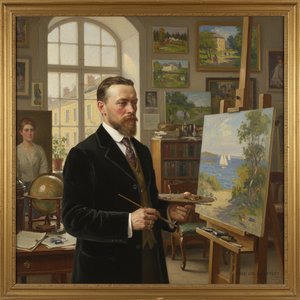
Albert Edelfelt: A Pioneer of Finnish Realism & International Impressionist Circles
Explore the life & work of Albert Edelfelt, a pioneering Finnish Realist painter who bridged Impressionism & national identity. Discover his masterpieces and lasting influence on art history.
