
 Peržiūrėti realaus dydžio版
 Pasidalinti
 Dalintis
 Išsamiau
 Vadovas

 Atsisiųsti
 Panašūs eksponatai
 Rentgeno spindulių nuotrauka
 Automatinė diorama
 问答
问答 Statistika
Landscape with Windmill

- 69.0 x 92.0 cm


 Skaityti daugiau
Giclée / Meno spausdinimas
Muziejų lygio „giclée“ arba drobos spausdinimas: greita gamyba ir lankstios apdailos parinktys. ( Pirkti rankų darbo tapybą Perejti prie skaitmeninių vaizdų)




P118B €10

P118H €10

P118W €10

P438Z €10

P508JH €12

P508YH €12

P805H €10

P805Z €10

P919BZ €10

P919G €10

P919XJ €10

P959ZH €10

P968JZ €12

W106C €8

W218G €10

W218JH €8

W218Y €10

W307PJ €10

W316G €10

W316PJ €8

W316Y €10

W398PJ €8

W4111J €10

W500HY €15

W500JH €15

W692G €12

W849H €8

W940BG €15

W953PJ €8




Pasirinkite iš mūsų nustatytų dydžių, atitinkančių originalaus meno kūrinio proporcijas.

Įveskite jums reikiamą plotį ir aukštį, kad atvaizdas derėtų prie jūsų rėmo ar sienos. Spausdiną galima tik sumažinti, bet nepadidinti virš originalaus paveikslėlio dydžio, todėl keičiant proporcijas, dalis vaizdo prarandama. Prieš spausdinimą atsiųsime jums skaitmeninį maketą patvirtinimui. Šioje puslapio nuotraukoje matomas pjūvis nėra tikslus – jį rodo tik maketas.
Pristatymas visame pasaulyje () per 2 weeks, o ne įprastas 4/5 savaičių laikotarpis. (3 lapkritis)

Nemokamas greitasis pristatymas visame pasaulyje

Aukštos kokybės lininis drobė

Pilnas siuntimo draudimas

Muitinės mokesčių grąžinimo garantija

Tikro spalvų atitikimo garantija

100 dienų grąžinimo politika (tik esant įtaigoms)

100% pinigų grąžinimo garantija

Nuolaida dideliems užsakymams
 Stiklo variantas prieinamas tik pasirinkus dydį iki 110 cm

Landscape with Windmill
Giclée / Meno spausdinimas
Reprodukcijos matmenys
-


Bendroji kaina
€ 72
A Nocturnal Reverie: The Ethereal World of Aert van der Neer
In the heart of the Dutch Golden Age, a period defined by unparalleled artistic flourishing, Aert van der Neer emerged as a master of the unseen. While many of his contemporaries sought to capture the grandeur of sweeping vistas or the heroic narratives of history, van der Neer turned his gaze toward the quiet, the shadowed, and the silvered moments of the natural world. His 1646 masterpiece, "Landscape with Windmill," serves as a profound testament to this singular vision. The painting invites the viewer into a tranquil, nocturnal realm where a meandering river reflects the soft, diffused light of a sky caught between dusk and dawn. It is not merely a depiction of a Dutch landscape; it is an invitation to experience the stillness of a world suspended in time, rendered with a psychological depth that resonates long after the first glance.
The composition is a masterclass in atmospheric balance. A winding waterway leads the eye through a lush, verdant foreground, where the dark silhouettes of trees provide a structural weight to the scene. As the gaze travels deeper into the canvas, the presence of a windmill on the right horizon introduces a subtle touch of human industry, yet it remains harmoniously integrated into the natural rhythm of the landscape. The color palette is intentionally restrained, dominated by earthy tones and deep greens, punctuated by the delicate blues of the water and sky. This careful orchestration of color creates a sense of profound serenity, making the work an ideal centerpiece for those seeking to bring a sense of calm, contemplative elegance to a sophisticated interior.
Technique and the Alchemy of Light
What truly distinguishes van der Neer from his peers is his extraordinary ability to manipulate light. He was a pioneer of the nocturnal genre, specializing in scenes lit only by the ethereal glow of moonlight or the flickering warmth of distant fires. In "Landscape with Windmill," we see the fruits of his meticulous technique—a process of delicate glazing where thin, translucent washes of oil paint are layered to achieve a luminous, almost breathing quality. This method allows the light to appear as if it is emanating from within the canvas itself, capturing the elusive shimmer of frost or the soft diffusion of mist.
For the discerning collector or interior designer, the technical brilliance of this work offers more than just visual beauty; it offers texture and depth. The way the artist captures the interplay between shadow and light creates a dynamic visual experience that changes depending on the ambient lighting of a room. To possess a reproduction of such a piece is to bring a fragment of seventeenth-century Dutch mastery into a modern space, providing a window into a world where every brushstroke was dedicated to capturing the fleeting, magical essence of the atmosphere.
Historical Resonance and Emotional Depth
To understand "Landscape with Windmill" is to understand the soul of the Dutch Republic in the mid-seventeenth century. This was an era of significant social and intellectual transformation, yet van der Neer found his inspiration in the enduring, quiet cycles of nature. His work avoids the flamboyant and the loud, opting instead for a restrained realism that speaks to the human condition—specifically our capacity for solitude and reflection. There is a palpable sense of melancholy in the cool tones and the vast, quiet sky, yet it is a beautiful melancholy, one that celebrates the majesty of the natural world even in its most somber moments.
For those looking to curate an art collection that evokes emotion and tells a story, van der Neer’s work provides an unparalleled opportunity. His landscapes do not demand attention through spectacle; they earn it through intimacy. Whether placed in a quiet study, a grand library, or a contemporary living space, this painting acts as a meditative anchor, offering a sense of peace and a connection to the timeless beauty of the Dutch masters. It is a piece that does not just decorate a wall—it transforms an environment.
Klausimai ir atsakymai
Kada buvo sukurta „Landscape with Windmill“ ir prie kokio meno stiliaus ji priskiriama?
„Landscape with Windmill“ sukurta 1646 metais, priklausant į Dutch Golden Age Landscape kryptį. Data ir stilius įtvirtina šį kūrinį laiko eje.
Ar „Landscape with Windmill“ galima įsigyti kaip aukščiausios kokybės spausdinį?
Šio kūrinio „Landscape with Windmill“ – Aertas Van Der Neeras spausdinį galite užsakyti tiesiogiai jo Kūrinio spausdinimas aukščiausia kokybe puslapio: aukščiausios kokybės spausdinys ant medžio siuvinėjamų audinių arba archyvinio kanvas tipo popieriaus.
Kokiam meno stiliui priklauso „Landscape with Windmill“ – Aertas Van Der Neeras?
„Landscape with Windmill“ – Aertas Van Der Neeras priklauso Dutch Golden Age Landscape stiliui. Ši dailės kryptis suteikia kūriniui stilistinį kontekstą.
Autoriaus biografija
Aert van der Neer: Mėnulio šviesos ir žiemos peizažų meistras
Aert van der Neer (apie 1603–1677 m. lapkričio 9 d.) išsiskiria kaip ypatinga figūra olandų Aukso amžiaus peizažų paveislininkystėje, tapęs garsėjantis savo suapundžiančiais grožiu naktinių scenų vaizdais, skystai apšviestais eterio mėnulio šviesos bei šaltos, ramios žiemos peizažų – ypač tų, kurie nukreipti į kanalus ir upes – atspindžiais. Skirtingai nei daugelis jo samtų paveislininkų, kurie teikė pirmenybę grandioziškoms panoramoms ar idealizuotiems pastoraliniams vaizdams, van der Neer sutelkė dėmesį į subtilių atmosferos efektų ir intymių gamtos momentų įtvirtinimą, tapdamas psichologinio realizmo pionieriumi žanrinėje paveislininkystėje. Jo gebėjimas atvaizduoti skaudrią užšalto kanalo šaltumą ar sidabrinį vidurdienio dangaus spindulį leidžia žiūrėtojui tiesiog įžengti į septentesmio amžiaus Nyderlandų ramybę.Ankstyvasis gyvenimas ir meninės pamatinės vertybės
Informacija apie van der Neer formavimo metus išlieka skazota, paslėpta istorijos miglotėje, tačiau jo meninė esybė yra giliai į šaknus įsišaknijusi olandų žeme. Nors biografiniai duomenys leidžia manyti, kad jis gimė Gorincheme apie 1604 metus, jo tikroji meninė kilmė slypi jo samtų bruožuose. Jo meninė edukacija tikriausiai kilo iš susidveiminio su įtakingais paveislininkais, tokiais kaip Rafaelis ir Jochem Govertsz Camphuysen, kurių stiliaus jautrumas neabejotinai paveikė jo augantį talentą. Ryšys su pramintia menine šeima sukūrė aplinką, skatinančią tobulinti įgūdžius ir ieškoti inovatyvių vizualinės reprezentacijos metodų. Per šią ankstyvąją įslėgimą jis pradėjo lavinti ypatingą akį žymėti šviesos ir šešėlio sąveiką – savybę, kuri tapo jo visas gyvenimo metu išgryninamu žyminiu bruožui.Mėnulio šviesos kalba ir technika
Skirtingasis van der Neer stilius yra iškart atpažįstamas dėl meistriško šviesos – ypaats mėnulio šviesos – manipuliavimo bei jos subtilaus susipamdymo su ugnies šviesa. Jis vengė dramatiškų, plaukiuojančių kompozicijų ir rinkosi nuosaikius peizažus, kuriuose vaizduojamos kasdienio gyvenimo ritminės veiklos figūros. Jo kūriniuose galima rasti:- Skatavimų meistrų, sklandžiai slidžiančių per užšalto vandens paviršius žiemos viršūnėje.
- Kolfo žaidėjų, siekiančių savo tikslų tarp minkštų sniego kaupinių.
- Žvejų, kantriai laukiančių savo avartų po budintybės mėnulio šviesą.
- Arkliais traukiamų rogų, važinėjančių tyliais, lediniais miestelio gatvėmis miegančio miesto.
Palikimas ir istorinė reikšmė
Istorinė Aert van der Neer reikšmė slypi jo gebėjime „mažąjį“ peizažą pakelti į aukštą emocinio rezonanso lygį. Nors kiti meistrai siekė monumentalumo, van der Neer didybę rado praegačioje ir tylioje. Jo kūriniai, tokie kaip kvapą užgaunantis Peizažas saulėlysio metu arba gyvi žiemos vaizdai šalia olandų miestų, tarnauja kaip amžinos įžvalgos į septentesmio amžiaus gyvenimą. Jis išlieka olandų Aukso amžiaus pamatu, prisimintinas ne tik dėl savo techninio meistriškumo, bet ir dėl gebėjimo įamžinti patį naktinio pasaulio sielą. Jo įtaka išlieka mūsų suvokime apie nakties grožį, primindama mums, kad net ir tamsiausioにも valandos natūralioje pasaulyje galima rasti gilią ir šviesią eleganciją.
Aertas Van Der Neeras
1604 - 1677 , Nyderlandai
Trumpa informacija
- Artistic Movement Or Style: Olandų Aukso amžiaus landšaftų tapyba
- Artists Or Movements Influenced By This Artist: ['Albertas Cuypas']
- Artists Who Influenced This Artist:
- Rafaelas
- Jochem Govertsz Camphuysen
- Date Of Birth: Amsterdamas, Nyderlandai (1604)
- Date Of Death: 1677
- Full Name: Aert van der Neer
- Nationality: Olandas
- Notable Artworks:
- Winter in Holland: Skating Scene
- Upės landšaftas mėnulio šviesoje
- Mėnesio apšviestas landšaftas su tiltu
- Place Of Birth: Gorinchem
Susiję straipsniai

Golden Light & Dutch Skies: Bringing the Magic of Dutch Golden Age Landscapes into Your Home
Transform your home with the breathtaking light of Dutch Golden Age landscapes. Discover how hand-painted oil reproductions of masterworks like Ruisdael and Vermeer bring timeless elegance, atmosphere, and soulful texture to modern interiors. Elevate your space with museum-quality art.

Golden Light & Dutch Skies: The Timeless Magic of Dutch Golden Age Landscapes
Discover the breathtaking beauty of Dutch Golden Age landscapes. Explore the mastery of light, chiaroscuro, and 17th-century realism through an expert art history lens, celebrating the enduring legacy of the Dutch Masters for discerning collectors and art lovers.
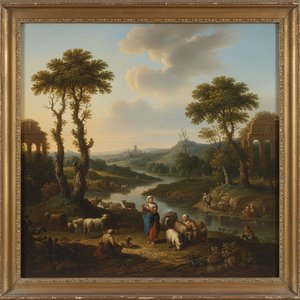
Nicolaes Berchem: Dutch Golden Age Pastoralism & the Evolution of Landscape Painting
Explore the captivating world of Nicolaes Berchem, a leading Dutch Golden Age painter. Discover his idyllic landscapes, masterful technique & lasting influence on art history. Learn more at OriginalUniqueArt.

Olandijos Aukso Amžius: 10 Šedevrų, Apibrėžiančių Meną ir Stilių
Atraskite Olandijos Aukso Amži\u017us meninius šedevrus! 10 legendin\u017iŴ paveikslžiai – Rembrandto, Vermeerio ir kt. darbai. Sužnkitę j\u016ungo namus aukso amži\u017us grožiu! Āukrai, interjero dizainas – viskas OriginalUniqueArt.com. Ižirkite kolekciją internete!
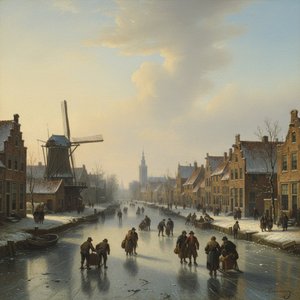
Charles Leickert: Capturing the Dutch Golden Age Light – A Comprehensive Study of Technique, Context, and Legacy
Explore the captivating winter landscapes of Charles Leickert, a master of Dutch Golden Age light & atmosphere. Discover his techniques, symbolism, and lasting legacy – a comprehensive study for art enthusiasts and collectors.