
 Peržiūrėti realaus dydžio版
 Pasidalinti
 Dalintis
 Išsamiau
 Vadovas

 Atsisiųsti
 Panašūs eksponatai
 Rentgeno spindulių nuotrauka
 Automatinė diorama
 问答
问答 Statistika
Children Playing in a Barn

- 23.0 x 29.0 cm


 Skaityti daugiau
Giclée / Meno spausdinimas
Muziejų lygio „giclée“ arba drobos spausdinimas: greita gamyba ir lankstios apdailos parinktys. ( Pirkti rankų darbo tapybą Perejti prie skaitmeninių vaizdų)




P118B €10

P118H €10

P118W €10

P438Z €10

P508JH €12

P508YH €12

P805H €10

P805Z €10

P919BZ €10

P919G €10

P919XJ €10

P959ZH €10

P968JZ €12

W106C €8

W218G €10

W218JH €8

W218Y €10

W307PJ €10

W316G €10

W316PJ €8

W316Y €10

W398PJ €8

W4111J €10

W500HY €15

W500JH €15

W692G €12

W849H €8

W940BG €15

W953PJ €8




Pasirinkite iš mūsų nustatytų dydžių, atitinkančių originalaus meno kūrinio proporcijas.

Įveskite jums reikiamą plotį ir aukštį, kad atvaizdas derėtų prie jūsų rėmo ar sienos. Spausdiną galima tik sumažinti, bet nepadidinti virš originalaus paveikslėlio dydžio, todėl keičiant proporcijas, dalis vaizdo prarandama. Prieš spausdinimą atsiųsime jums skaitmeninį maketą patvirtinimui. Šioje puslapio nuotraukoje matomas pjūvis nėra tikslus – jį rodo tik maketas.
Pristatymas visame pasaulyje () per 2 weeks, o ne įprastas 4/5 savaičių laikotarpis. (4 lapkritis)

Nemokamas greitasis pristatymas visame pasaulyje

Aukštos kokybės lininis drobė

Pilnas siuntimo draudimas

Muitinės mokesčių grąžinimo garantija

Tikro spalvų atitikimo garantija

100 dienų grąžinimo politika (tik esant įtaigoms)

100% pinigų grąžinimo garantija

Nuolaida dideliems užsakymams
 Stiklo variantas prieinamas tik pasirinkus dydį iki 110 cm

Children Playing in a Barn
Giclée / Meno spausdinimas
Reprodukcijos matmenys
-


Bendroji kaina
€ 72
A Glimpse into Golden Age Domestic Bliss
Adriaen van Ostade’s "Children Playing in a Barn" transports us directly into the heart of 17th-century Dutch life, offering more than just a depiction; it presents a carefully curated moment of pure, unadulterated joy. The scene unfolds within the rustic embrace of a barn, a space typically associated with labor and harvest, yet here, it has been transformed by the spontaneous energy of childhood play. One can almost hear the echoes of laughter mingling with the quiet sounds of the countryside filtering through the wooden beams. The composition is rich with life, featuring several children deeply engrossed in their games, overseen perhaps by a gentle adult presence whose role anchors the scene in domestic warmth.
Mastery of Genre and Detail
Van Ostade, a master practitioner of Dutch genre painting, possessed an unparalleled gift for rendering the everyday into something monumental. His technique is characterized by meticulous detail—a hallmark of the period that allowed him to imbue humble objects with profound significance. Observe the placement of the simple chair, the sturdy dining table, and even the solitary cup resting upon a surface; these elements are not mere props but integral parts of the narrative tapestry. Van Ostade’s brushwork, while capturing the lively movement of the children, retains a subtle, almost luminous quality that speaks to his technical brilliance. It is this combination of high realism with an atmosphere of gentle fantasy that makes the painting so enduringly captivating.
The Symbolism of Childhood and Community
Beyond the surface gaiety, the artwork resonates with deeper themes pertinent to Dutch culture during the Golden Age. The depiction of children at play often served as a subtle commentary on innocence, the passage of time, and the importance of community bonds. In this barn setting, the interaction between the figures suggests a harmonious microcosm—a temporary sanctuary from the rigors of adult life. The hay-strewn floor grounds the scene in nature, while the gathering itself speaks to the value placed on familial connection and simple pleasures within the burgeoning Dutch mercantile society.
Bringing Nostalgia Home
For the modern collector or interior designer, this piece offers an unparalleled infusion of warmth into any space. Reproducing "Children Playing in a Barn" allows one to curate not just artwork, but an entire mood—one steeped in nostalgia and gentle vitality. It suggests a life lived slowly, where moments of shared laughter held more value than material accumulation. Owning this reproduction is inviting a piece of that idealized Dutch pastoral memory into your home, transforming a wall from mere surface to a window onto a sun-drenched afternoon long past.
Klausimai ir atsakymai
Kur rekomenduojama eksponuoti „Children Playing in a Barn“ Landscape formatą?
Formatas (Landscape) ir rekomenduojama erdvė (Lounge) yra du nurodyti išdėstymo faktai kūriniui „Children Playing in a Barn“ – Adrijenas Van Ostadė.
Ar galima atsisiųsti „Children Playing in a Barn“ vaizdą?
Kūrinį „Children Playing in a Barn“ galima atsisiųsti: jo Atsisiųsti skaitmeninį vaizdą puslapyje siūloma aukštos raiškos skaitmeninio vaizdo atsisiuntimas.
Kokia spalvų ryškumas ir intensyvumas pasižymi „Children Playing in a Barn“ – Adrijenas Van Ostadė?
Kūrinys „Children Playing in a Barn“ – Adrijenas Van Ostadė pasižymi Balanced Soft nasyginimu ir Monochromatic intensyvumu.
Autoriaus biografija
Adriaen van Ostade: Olandų Žanro Tapybos Meistras
Adriaen van Ostade (1610–1685) – vienas ryškiausių XVII amžiaus olandų tapytojų, garsėjęs savo žanriniais paveikslais, atspindinčiais kasdienio gyvenimo paprastumą ir grožį. Gimęs Haarleme, Nyderlanduose, jis užaugo šeimoje, susijusioje su menu – jo tėvas, Jan van Ostade, buvo gobelenų audėjas. Ši aplinka turėjo didelės įtakos jaunojo Adriaeno pomėgiui vizualioms menams ir ankstyvam kūrybiniam polinkiui. Pradžioje Van Ostade’s mokėsi pas garsų olandų tapytoją Frans Halsą, žinomą dėl savo gyvybingų portretų ir žanrinių scenų. Tačiau jo studijos pas Halsą truko neilgai; netrukus broliai Adriaen ir Isaack Jansz van Ostade ėmė kurti savitą tapybos stilių, atsiribodami nuo Hals’o ekspresyvumo.Ankstyvieji Darbai ir Stiliaus Formavimasis
Pirmuosiuose savo darbuose (apie 1630 metus) Van Ostade sekė Hals’o laisva tepties maniera, tačiau palaipsniui tobulino techniką. Jis vis daugiau dėmesio skyrė žanriniams paveikslams – kasdienio gyvenimo vaizdavimui, ypač scenoms su valstiečiais ir darbininkais. Jo stilių pasižymi kruopštumas, subtilus šviesos ir šešelio naudojimas (chiaroscuro) bei realistiškas jo personažų atvaizdavimas. Van Ostade meistriškai perteikė drabužių tekstūras, daiktus ir aplinką, sukuriant autentiškumo įspūdį savo darbuose. Dažnos temos apėmė tavernas, kaimo muges, valstiečių interjerus ir ruralios gyvenimo scenas. Jo ankstyvieji darbai jau rodė talentą stebėti smulkias detales ir perteikti kasdienio gyvenimo atmosferą, tačiau vėliau jo kūryba įgijo didesnį gilumą ir emocinį turinį.Pagrindiniai Darbai ir Pasiekimai
Vienas žymiausių Van Ostade’s darbų – paveikslas „Malda prieš valgį“ (apie 1660 metus), saugomas Klivlando meno muziejuje. Šis darbas laikomas jo šedevru, puikiai iliustruojančiu gebėjimą įnešti orumą ir poetišką grožį net į kukliausius personažus. Kitas svarbus kūrinys – „Juokiantis valstietis“ (1634), saugomas Kremer kolekcijoje Amsterdame, demonstruojantis jo talentą perteikti ekspresyvius veidus ir gestus. Van Ostade sukūrė daugybę tavernų scenų, leidžiančių pažvelgti į XVII amžiaus olandų visuomeninį gyvenimą. Šie paveikslai dažnai vaizduoja gyvybingas susibūrimus su gėrimu, rūkymu ir muzika. Nors pagrinde žinomas dėl savo žanrinių darbų, jis taip pat kūrė peizažus, dažniausiai atvaizduojančius kaimišką aplinką ir kasdieninėmis veiklomis užsiimančias figūras.Įtakos ir Palikimas
Van Ostade’s ankstyvieji mokytojai turėjo didelės įtakos jo kūrybai, ypač Frans Halsas, suteikęs pagrindus olandų tapybos technikoms ir žanriniam stiliui. Tačiau vėliau jis sukūrė savitą braižą, atsiribodamas nuo Hals’o ekspresyvumo ir sutelkiantis dėmesį į smulkias detales bei kasdienio gyvenimo vaizdavimą. Menininkai dažnai lygina Van Ostade’s darbus su David Teniers the Younger kūryba, tačiau jų paveiksluose atsispindi skirtingos regioninės ypatybės – Van Ostade koncentravosi į Olandiją, o Teniers vaizdavo Brabantą. Van Ostade’s pabrėžimas naturalizmui ir kasdieniam gyvenimui nutiesė kelią vėlesniems meno judėjimams, tokiems kaip Impresionizmas ir Realizmas. Jo dėmesys šviesai ir šešeliui turėjo įtakos Baroko tapybai. Jis laikomas svarbia figūra olandų Aukso amžiaus tapyboje, suteikiančiu vertingų įžvalgų apie XVII amžiaus olandų visuomenės gyvenimą ir papročius.Vėlesni Metai ir Mirtis
1634 metais Van Ostade tapo Haarlem Guild of St. Luke nariu, tai patvirtino jo pripažinimą kaip profesionalų menininką. Jis sulaukė nuolatinės sėkmės visos savo karjeros metu, gaudamas užsakymus iš turtingų patronų ir įsitvirtindamas kaip gerbiamas tapytojas. Adriaen van Ostade mirė Haarleme 1685 metais. Jo darbai tebėra garbinami dėl realizmo, žavesio ir istorinės reikšmės. Jo paveikslai – tai ne tik kasdienio gyvenimo vaizdavimas, bet ir gili įžvalga į XVII amžiaus olandų kultūrą ir visuomenę.
Adrijenas Van Ostadė
1610 - 1685 , Nyderlandai
Trumpa informacija
- Gimimo Data: 1610 m.
- Gimimo Vieta: Haarlem, Nyderlandai
- Meninis Stilius: Nyderlandų aukso amžius
- Mirties Data: 1685 m.
- Pilietybė: Olandas
- Pilnas Vardas: Adriaen van Ostade
- Įtakoję Menininkai: ['Frans Hals']
- Žymiausi Darbai:
- Saying Grace
- A Laughing Peasant
Susiję straipsniai

Rembrandto van Rijn šedevrai: 25 paveikslai, įkvėpę amžius | OriginalUniqueArt
Atraskite 25 įspūdingiausius Rembrandto paveikslus! Išsami istorija, meno technikos ir simbolika. Olandų baroko šedevrai jūsų interjerui – aukštos kokybės reprodukcijos OriginalUniqueArt.com. Explore the full collection online!
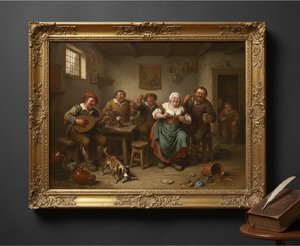
Adriaen van Ostade: A Master of Dutch Genre Painting & Social Commentary
Explore the life & work of Adriaen van Ostade, a leading Dutch Golden Age painter. Discover his realistic genre scenes, social commentary, and lasting influence on art history. Learn more at OriginalUniqueArt.

Dutch Baroque Masters: 10 Paintings That Shaped an Era | OriginalUniqueArt
Journey through the Golden Age with our guide to the Top 10 Dutch Baroque masterpieces! Explore iconic paintings by Rembrandt, Vermeer & Frans Hals. Find museum-quality art reproductions and elevate your home decor at OriginalUniqueArt.com.
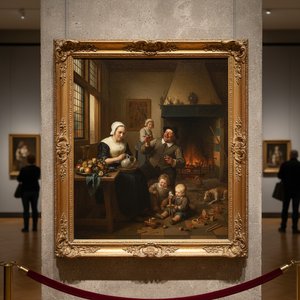
Genre Painting: A Window into Daily Life & Societal Values of the Dutch Golden Age
Explore the captivating world of Dutch Golden Age genre painting! Discover realistic depictions of daily life, masterful artists like Ostade & Metsu, and hidden symbolism. Learn about this influential art movement with OriginalUniqueArt.

Chiaroscuro and Character: A Definitive Guide to Light and Shadow in the Dutch Baroque Era
Explore the dramatic mastery of the Dutch Baroque era. Discover how masters like Rembrandt used chiaroscuro to transform everyday life into timeless art. An expert guide for collectors and enthusiasts seeking to understand the profound interplay of light and shadow.