

 Peržiūrėti realaus dydžio版
 Siųsti
 Dalintis
 Išsamiau
 Gidas
Gidas

 Atsisiųsti
 Panašūs eksponatai
 Rentgeno spindulių nuotrauka
 Diaporama
 Statistika
La Raccommodeuse de filet

 Rodyti daugiau
Rankų darbo aliejinės reprodukcijos
Rankiniu būdu tapytas aliejus ant droblio jūsų pageidaujamame dydį ir rėmuose – mūsų menininkų darbas pagal užsakymą. ( Perjungti į spausdinimą Perejti prie skaitmeninių vaizdų)




































Pasirinkite iš mūsų nustatytų dydžių, atitinkančių originalaus meno kūrinio proporcijas.

Galite įvesti savo matmenis, kad jie atitiktų konkretų rėmą ar erdvę. Jei pasirinktas dydis neatitinka originalaus paveikslėlio proporcijų, mes arba apkropsime meno kūrinį, arba papildysime tapybą rankomis dažytい elementais. Prieš pradėdami gamybą, jūsų patvirtinimui atsiųsime skaitmeninį maketą.
Atkreipkite dėmesį, kad ekrane rodomas vaizdas neatspindi tikrojo apkarpymo ar papildymo. Tik maketas tiksliai parodys galutinę kompoziciją.
Nors galima rinktis ir individualius dydžius, rekomenduojame pasirinkti matmenis iš nustatytos sąrašo, kad būtų išlaikytos originalios proporcijos.
Gavus užsakymą, OriginalUniqueArt.com komanda susisieks su klientu el. paštu dėl instrukcijų ir pateiks maketo pavyzdį
Pristatymas visame pasaulyje () per 3–4 savaites, o ne įprastai – per 5 savaites. (21 rugsėjis). Kokybė lieka nepakeičiama.

Nemokamas greitasis pristatymas visame pasaulyje

Aukštos kokybės lininis drobė

Pilnas siuntimo draudimas

Muitinės mokesčių grąžinimo garantija

Tikro spalvų atitikimo garantija

100 dienų grąžinimo politika (tik esant įtaigoms)

100% pinigų grąžinimo garantija

Nuolaida dideliems užsakymams
 Stiklo variantas prieinamas tik pasirinkus dydį iki 110 cm

La Raccommodeuse de filet
Reprodukcijos technika
Reprodukcijos dydis
-


Visų pasirinktų variantų kaina
$ 325
Autoriaus biografija
Constant Troyon: Bridging Porcelain and Pastoral
August 28, 1810, in Sèvres, France, marked the birth of Constant Troyon – a painter whose journey began far from the grand salons of Paris, amidst the meticulous world of porcelain decoration. His early life was steeped in the traditions of his father’s workshop, a seemingly restrictive environment that nonetheless honed his eye for detail and precision. Yet, beneath this veneer of craftsmanship lay a restless spirit, a yearning to capture the fleeting beauty of the natural world. It wasn't until he reached twenty-one that Troyon truly embraced his artistic destiny, embarking on a nomadic existence as a landscape painter, fueled by wanderlust and the necessity of earning a living. This early period, characterized by sketches and watercolors, laid the groundwork for his later mastery – a synthesis of technical skill with an increasingly profound understanding of light, color, and atmosphere. His initial travels exposed him to diverse artistic influences, but it was the Barbizon school, centered around Paris, that would fundamentally shape his approach to painting.The Barbizon Influence and Early Landscapes
The Barbizon school represented a deliberate rejection of the academic traditions dominating the Parisian art world. Artists like Rousseau, Dupré, and Troyon sought inspiration directly from nature, eschewing studio work in favor of *en plein air* painting – working outdoors to capture the immediacy of the landscape. Troyon’s early landscapes, produced between 1840 and 1847, reflect this influence, displaying a sincerity and freshness that resonated with contemporary audiences. While technically proficient, these works often lacked the distinctive character that would later define his oeuvre. However, a pivotal encounter in 1846 – a visit to the Hague and a profound study of Paulus Potter’s “Young Bull” – proved transformative. Potter's masterful depiction of animal anatomy and behavior ignited within Troyon a new passion: painting animals with an unprecedented level of realism and emotional depth. This experience, coupled with his admiration for the works of Cuyp and Rembrandt, spurred him to develop a unique style characterized by dramatic lighting, rich textures, and a palpable sense of movement.Mastering Animal Painting and International Recognition
Following Potter’s influence, Troyon rapidly evolved as an animal painter, achieving remarkable success in both Britain and America. His paintings weren't merely representations of animals; they conveyed their personalities, instincts, and the subtle nuances of their interactions with the environment. He meticulously observed his subjects – cattle, horses, sheep – capturing not just their physical appearance but also their moods and behaviors. This dedication to realism was further enhanced by his ability to render textures with astonishing accuracy, from the rough hide of a bull to the soft wool of a lamb. His work gained international acclaim, finding favor in prestigious collections across Europe and the United States. Critics lauded his technical skill, emotional sensitivity, and his ability to evoke a sense of connection between the viewer and the animal subjects. The art critic Albert Wolff famously described Troyon’s later works as “masterpieces,” recognizing their profound artistic merit and enduring appeal.A Shift Towards Pastoral Scenes and Later Works
As Troyon matured, his subject matter broadened beyond purely animalistic scenes. He increasingly explored pastoral landscapes – depictions of rural life, featuring shepherds, farm animals, and the serene beauty of the countryside. These later works demonstrate a shift in focus from the dynamic energy of animal painting to a more contemplative and evocative approach to landscape. While some critics initially dismissed these paintings as less ambitious than his earlier work, they reveal a deepening of Troyon’s artistic vision – a subtle understanding of light, color, and composition that elevates them to a level of quiet beauty. His final works, produced in the years leading up to his death in 1865, are characterized by a remarkable serenity and a profound appreciation for the simple pleasures of rural life. They represent a culmination of his artistic journey – a testament to a lifetime dedicated to capturing the essence of nature on canvas.Legacy and Historical Significance
Constant Troyon’s legacy extends beyond his individual paintings. He played a crucial role in the development of the Barbizon school, demonstrating the value of *en plein air* painting and inspiring subsequent generations of artists. His meticulous observation of nature, combined with his technical skill and emotional sensitivity, established him as one of the most important animal painters of his era. Troyon’s work continues to be admired for its realism, beauty, and profound connection to the natural world. He stands as a bridge between the rigid traditions of academic art and the more expressive approach of the Barbizon school, embodying a spirit of artistic exploration and a deep appreciation for the enduring power of nature. His paintings offer a valuable glimpse into 19th-century rural life and provide a lasting testament to the artist’s remarkable talent and dedication.
adolphe félix cals
1810 - 1880
Trumpa informacija apie kūrėją
- Artistic Movement Or Style: Barbizon School
- Artists Or Movements Influenced By This Artist:
- Camille Roqueplan
- Jules Dupré
- Artists Who Influenced This Artist:
- Paulus Potter
- Aelbert Cuyp
- Rembrandt
- Date Of Birth: August 28, 1810
- Date Of Death: February 21, 1865
- Full Name: Constant Troyon
- Nationality: French
- Notable Artworks:
- Young Bull
- The Raft of the Medusa
- Place Of Birth: Sèvres, France
Susiję straipsniai

Paul Cézanne: 25 Šedevrai, Keičiantys Meno Pasaulį | OriginalUniqueArt.lt
Atraskite 25 Paul Cézanno šedevrus! Išsami analizė, istorijos ir įkvėpimas interjero dekorui. Modernus menas, impresionizmas, natiurmortai – viskas OriginalUniqueArt.com. Explore the full collection online!
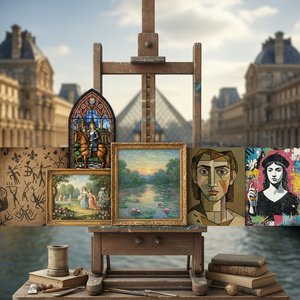
The Enduring Legacy of French Art: Movements, Masters & Cultural Impact
Explore the rich history of French art, from the Salon to Impressionism & beyond. Discover iconic masters, key movements, and expert guidance for collecting timeless masterpieces. OriginalUniqueArt.

Impressionism's Masterpieces: 10 Paintings That Defined a Movement | OriginalUniqueArt
Journey through Impressionism's heart with 10 iconic paintings by Monet, Renoir & Degas. Explore light, color & the stories behind these masterpieces. Find museum-quality art reproductions and elevate your home decor on OriginalUniqueArt.com.

Šviesos ir Spalvų Užuominos: Impresionizmo bei Postimpresionizmo Tapybos Kolekcioneiriui
Atraskite impresionizmo ir postimpresionizmo pasaulį su OriginalUniqueArt.com! Meno konsultacijos, originalių paveikslų įvertinimas, kokybiškos reprodukcijos bei patarimai kolekcionieriams. Investuokite į meno kūrinius išmaningai.
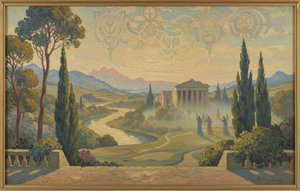
Henri Martin: A Synthesis of Impressionism & Symbolism in the French Landscape Tradition
Explore the captivating world of Henri Martin, a French Post-Impressionist bridging Impressionism & Symbolism. Discover his unique style, influential landscapes, and lasting legacy with OriginalUniqueArt.