
 Peržiūrėti realaus dydžio版
 Pasidalinti
 Dalintis
 Išsamiau
 Vadovas

 Atsisiųsti
 Panašūs eksponatai
 Rentgeno spindulių nuotrauka
 Automatinė diorama
 问答
问答 Statistika
Barges on a River

- 43.0 x 35.0 cm


 Skaityti daugiau
Giclée / Meno spausdinimas
Muziejų lygio „giclée“ arba drobos spausdinimas: greita gamyba ir lankstios apdailos parinktys. ( Pirkti rankų darbo tapybą Perejti prie skaitmeninių vaizdų)




P118B €10

P118H €10

P118W €10

P438Z €10

P508JH €12

P508YH €12

P805H €10

P805Z €10

P919BZ €10

P919G €10

P919XJ €10

P959ZH €10

P968JZ €12

W106C €8

W218G €10

W218JH €8

W218Y €10

W307PJ €10

W316G €10

W316PJ €8

W316Y €10

W398PJ €8

W4111J €10

W500HY €15

W500JH €15

W692G €12

W849H €8

W940BG €15

W953PJ €8




Pasirinkite iš mūsų nustatytų dydžių, atitinkančių originalaus meno kūrinio proporcijas.

Įveskite jums reikiamą plotį ir aukštį, kad atvaizdas derėtų prie jūsų rėmo ar sienos. Spausdiną galima tik sumažinti, bet nepadidinti virš originalaus paveikslėlio dydžio, todėl keičiant proporcijas, dalis vaizdo prarandama. Prieš spausdinimą atsiųsime jums skaitmeninį maketą patvirtinimui. Šioje puslapio nuotraukoje matomas pjūvis nėra tikslus – jį rodo tik maketas.
Pristatymas visame pasaulyje () per 2 weeks, o ne įprastas 4/5 savaičių laikotarpis. (10 lapkritis)

Nemokamas greitasis pristatymas visame pasaulyje

Aukštos kokybės lininis drobė

Pilnas siuntimo draudimas

Muitinės mokesčių grąžinimo garantija

Tikro spalvų atitikimo garantija

100 dienų grąžinimo politika (tik esant įtaigoms)

100% pinigų grąžinimo garantija

Nuolaida dideliems užsakymams
 Stiklo variantas prieinamas tik pasirinkus dydį iki 110 cm

Barges on a River
Giclée / Meno spausdinimas
Reprodukcijos matmenys
-


Bendroji kaina
€ 73
A Serene Reflection: Adam Pynacker’s “Barges on a River”
The Dutch Golden Age was an era of unparalleled artistic flourishing, a time when painters sought to capture not just the likeness of reality but also its very essence. Among those who masterfully achieved this goal stands Adam Pynacker, and his 1655 painting, “Barges on a River,” offers a captivating glimpse into the heart of Dutch life during that period. Housed within the prestigious halls of The Hermitage in St. Petersburg, Russia, this oil-on-canvas masterpiece is more than just a landscape; it’s a carefully constructed tableau brimming with subtle details and profound emotional resonance.
At first glance, “Barges on a River” presents a deceptively simple scene: two barges gliding along a tranquil waterway. The foreground barge, laden with barrels and goods, hints at the bustling commerce that fueled the Dutch economy. A solitary figure stands poised at its bow, perhaps overseeing the cargo or navigating the vessel – an anonymous observer immersed in the rhythm of daily life. In the distance, a smaller barge reflects the light, adding depth and perspective to the composition. The surrounding landscape is equally evocative, featuring buildings that could be warehouses or even modest residences, all nestled against a backdrop of gently rolling hills and a cloudy sky.
A Masterclass in Light and Atmosphere
Pynacker’s genius lies not merely in his depiction of the scene but in his masterful manipulation of light and atmosphere. The painting is dominated by an earthy palette – browns, ochres, and greens – creating a warm and inviting mood. Yet, it's the interplay of light and shadow that truly elevates the work. Notice how the diffused sunlight catches the water’s surface, creating shimmering reflections that dance across the canvas. These subtle highlights not only add visual interest but also imbue the scene with a sense of tranquility and serenity. The artist’s attention to detail is remarkable; every ripple in the water, every texture on the barges, feels meticulously rendered.
The technique employed by Pynacker further enhances the painting's impact. He utilizes a loose, expressive brushstroke—a hallmark of the Dutch Golden Age—that conveys both immediacy and depth. The strokes are visible, lending a tactile quality to the canvas and inviting the viewer to lose themselves in the scene. This approach contrasts sharply with the more polished techniques favored by some of his contemporaries, suggesting a deliberate choice to prioritize emotional impact over photographic realism.
Historical Context and Artistic Significance
Adam Pynacker was a prominent figure within the Dutch Golden Age art world, known primarily for his landscapes. His work reflects the period’s fascination with capturing everyday life and its emphasis on realism. Born in Schiedam around 1622, Pynacker spent formative years studying in Italy, absorbing the artistic principles of the Renaissance and Baroque periods. This exposure profoundly influenced his style, particularly his use of light, color, and perspective. “Barges on a River” exemplifies this Italianate influence, showcasing a sophisticated understanding of atmospheric perspective and a keen eye for detail.
The painting’s significance extends beyond its aesthetic qualities. It offers a valuable window into the social and economic life of 17th-century Holland – a nation renowned for its maritime prowess and thriving trade networks. The barges themselves represent the vital arteries of commerce, transporting goods across the country and fueling the prosperity of Dutch cities like Amsterdam.
Symbolism and Emotional Resonance
Beyond its literal depiction of a riverside scene, “Barges on a River” carries deeper symbolic weight. The tranquil waterway can be interpreted as a metaphor for the passage of time, while the barges themselves represent the flow of commerce and the interconnectedness of society. The solitary figure at the bow embodies a sense of contemplation and observation – perhaps reflecting on the complexities of human existence or simply appreciating the beauty of the natural world.
Ultimately, “Barges on a River” is a testament to Pynacker’s artistic skill and his ability to evoke profound emotions through seemingly simple imagery. It's a painting that invites contemplation, offering viewers a moment of respite from the hustle and bustle of modern life. High-quality reproductions of this stunning artwork are available at OriginalUniqueArt.com, allowing art lovers to bring a piece of Dutch Golden Age history into their homes.
For more information about Adam Pynacker and his other works, visit: OriginalUniqueArt.co
Klausimai ir atsakymai
Kaip kūrinys „Barges on a River“ dera su Adamas Pynackeris temomis ir stiliumi?
„Barges on a River“ priklauso Adamas Pynackeris Dutch Golden Age kūrybai, kurios įrašytoms temoms priskiriamas landscape series focus, realist landscape style, early career work", italianate landscape, van goyen's influence, atmospheric perspective, dutch commerce & trade, riverine society.
Kokio atspalvio link tendencija yra „Barges on a River“?
Dominuojantis „Barges on a River“ – Adamas Pynackeris atspalvis yra Ochre to Sepia.
Į kokį meno kryžminę ir kokį laikotarpį priskiriama „Barges on a River“ – Adamas Pynackeris?
Kūryboje „Barges on a River“ – Adamas Pynackeris Dutch Golden Age kryptis susilieja su Ankstyvasis modernusis laikotarpis laikotarpiu.
Autoriaus biografija
Ramybės horizontų meistras: Adamas Pynackeris – gyvenimas ir palikimas
Didžioji Olandijos Aukso amžiaus tapetė, kurioje dramatiškos Rembrandto šešvys ir apšvenusi Vermeer’o kasdienybė dažniausiai dominuoja šviesos dėėsme, turi ir kitą, ramesnį siūlą, kurį išvėlė Adamas Pynackeris. Gimęs Schiedame 1622 metais, iš išmintingų vynuotojų šeimos, Pynackerio ankstyvoji gyvenimo etapa buvo prispietęs prie darbinės, tačiau kultūriškai turtingos Olandijos aplinkos. Nors jo šaknys tvirtai įsiperė į olandų žemę, jo meninė siela buvo skirta daug plagesniems horizontams. Jo darbai yra langas į erą, kuri siekė rasti dieviškąjį prigimtinėje pasaulyje, užfiksuodama ne tik žemės topografiją, bet ir paties atmosferos kvapą.
Tikrasis Pynackerio stiliaus metamorfozas įvyko jo transformatyvios kelionės į Italiją apyglaidos 1658 metais. Per tris formatyvinius metus jis klaidžiojo saulės apgaibis Romos ir Florencijos krašniuose – tai patirtis, kuri iš esmės pakeitė jo vizualų žodyną. Šis pasindulimas leido jam įsisiugti italikų kraštoilavimo tradicijos esmę – judlį, pasižymintį idealizuotu, auksinu šviesos spinduliu ir klasikinės harmonijos pojūčiu. Grįžęs į Olandiją, jis ne tik papildė savo kelionių įžvalgas, bet ir sujungė savo šalies kietą realizmą su šilta, atmosferine Viduržemio jūros perspektyva, sukuriant unikalią estetiką, kuri atrodo kartu ir intymiai artima, ir romantiškai tolsti.
Šviesos ir atmosferos simfonija
Pynackerio techninis meistriškumas labiausiai pasireiškia jo gebėjime manipuliuoti šviesa, siekiant sukelti gilią emocinę reakciją. Jis buvo perėjimų paveikslavėjas – piešė ne švelnų aušros švytėjimą virš upenės ir miglotą, išsklaidytą vėlyvo pomeriggio saulės šilumą. Jo kompozicijos dažnai apima vingiantes vandens aikštus, panašus į jo garsiuosius Laivius upėje, kur vanduo veikia kaip dangaus veidroklis, стирая ribą tarp žemės ir eterio. Šis atmosferinės perspektyvos meistriškumas leido jam kurti milžinišką gylį vienoje kadrate, veddamas žiūrovą per žalių lapų sluoksnius, tolimus kalnus ir minkštas, kvepiantis debesnis.
Jo meninė linija yra aiškiai matoma jo giminystėje su kitais to laiko šviesos šarlonais. Jo stiliaus įtaką galima atsegti per kelis pagrindinius ryšius:
- Jan Both: Bendras auksinės, italikų šviesos ir auksinio odų kraštoilavimų siekis.
- Nicolaes Berchem: Bendras susidomėjimas mažų, gyvybingų figūrų integravimu plačiuose, peiliškosios erdvės panoramos.
- Johannes Baptiste Weenix: Bendras atsidavimas užfiksuoti tekstūruotą, organišką gamtos pasaulio grožį.
Beyond individual canvases, Pynackeris pasiekė retą prestižo lygį dėl savo gebėjimo dekoruoti ištolinus interjerus. Jis turėjo retaletą paversti architektūros erdvę į įtraukiantį vizualinį patyrimą, tapant muralus, kurie išplėtė kambario ribas į begalę, ramią erdvę. Šis praktika atspindėjo XVII amžiaus globėjų sofistikuotą skonį, siekiantį kurti apmąstymui ir tyliam didenybei tinkamas aplinkas.
Istorinė reikšmė ir amžinoji elegancija
Nors jo gyvenimas buvo santyma trumpas ir pasibaigė 1673 metais, Pynackerio įtampas kraštoilavimo žanre išlieka neištrinamas. Jis stiaugėsi kaip klasikinio idealų gynėjas spartaus meninės transformacijos laikotarpiu – ištikimybė, kuri jam pelnė tiek samtų, tiek istorinės svarbos. Nors kai kurie gali matyti jo atsidavimą tradicijoms kaip atsisakymą evoliucijai, menoriai dažnai tai mato kaip gilią atsidavimą amžinojo grožio ieškojimui. Jo darbai nešaukia karo smurtumu ar religinio martyrdomo intensyvumu; vietoj to jie šnabžda apie amžiną ramybę, randamą tylioje miške ar lėtai tekančioje upėje.
Šiandien Pynackerio palikimas gyvena muziejuose ir kolekcijose, kuriose saugomi jo šedevrai, tokie kaip Ermitažas. Jo gebėjimas įamžinti ramią kraštoilavimą ir toliau rezonuoja su šiuolaikiniais žiūrovais, siūlydamas reikalingą poilsį nuo šiuolaikinės pasaulio chaoso. Per jo brushį mes primenami, kad gamtos tylyje slypi gili, neišnykstanti majestika, ir kad stipriausi emociniai poteliai dažniausiai randami švelniausioje šviesoje.

Adamas Pynackeris
1622 - 1673 , Nivolžijos
Trumpa informacija
- Artistic Movement Or Style: Italikinė landšafto tradicija
- Artists Or Movements Influenced By This Artist: ['Romantinis landšaftas']
- Artists Who Influenced This Artist:
- Jan Both
- Nicolaes Berchem
- Jan Asselyn
- Date Of Birth: 1622 m.
- Date Of Death: 1673 m.
- Full Name: Adam Christiaensz Pynacker
- Nationality: Olandų
- Notable Artworks:
- Laivai upe
- Landšaftas su billynių piemeniu
- Landšaftas su vingiuotu keliu
- Place Of Birth: Schiedamas, Nyderlandai
Susiję straipsniai

Golden Light & Dutch Skies: The Timeless Magic of Dutch Golden Age Landscapes
Discover the breathtaking beauty of Dutch Golden Age landscapes. Explore the mastery of light, chiaroscuro, and 17th-century realism through an expert art history lens, celebrating the enduring legacy of the Dutch Masters for discerning collectors and art lovers.
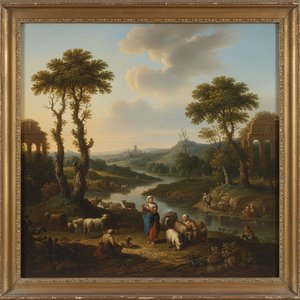
Nicolaes Berchem: Dutch Golden Age Pastoralism & the Evolution of Landscape Painting
Explore the captivating world of Nicolaes Berchem, a leading Dutch Golden Age painter. Discover his idyllic landscapes, masterful technique & lasting influence on art history. Learn more at OriginalUniqueArt.

Olandijos Aukso Amžius: 10 Šedevrų, Apibrėžiančių Meną ir Stilių
Atraskite Olandijos Aukso Amži\u017us meninius šedevrus! 10 legendin\u017iŴ paveikslžiai – Rembrandto, Vermeerio ir kt. darbai. Sužnkitę j\u016ungo namus aukso amži\u017us grožiu! Āukrai, interjero dizainas – viskas OriginalUniqueArt.com. Ižirkite kolekciją internete!

Golden Light & Dutch Skies: Bringing the Magic of Dutch Golden Age Landscapes into Your Home
Transform your home with the breathtaking light of Dutch Golden Age landscapes. Discover how hand-painted oil reproductions of masterworks like Ruisdael and Vermeer bring timeless elegance, atmosphere, and soulful texture to modern interiors. Elevate your space with museum-quality art.
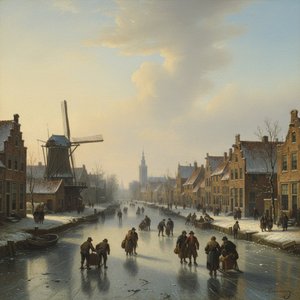
Charles Leickert: Capturing the Dutch Golden Age Light – A Comprehensive Study of Technique, Context, and Legacy
Explore the captivating winter landscapes of Charles Leickert, a master of Dutch Golden Age light & atmosphere. Discover his techniques, symbolism, and lasting legacy – a comprehensive study for art enthusiasts and collectors.