

 Peržiūrėti realaus dydžio版
 Siųsti
 Dalintis
 Išsamiau
 Vadovas

 Atsisiųsti
 Panašūs eksponatai
 Rentgeno spindulių nuotrauka
 Diaporama
 Statistika
Head
 Expressionism
 1945
1945 22.0 x 12.0 cm
 Rodyti daugiau
Giclée / Meno spausdinimas
Muziejų lygio „giclée“ arba drobos spausdinimas: greita gamyba ir lankstios apdailos parinktys. ( Pirkti rankomis tapytą reprodukciją Perejti prie skaitmeninių vaizdų)




P118B $10

P118H $10

P118W $10

P438Z $10

P508JH $12

P508YH $12

P805H $10

P805Z $10

P919BZ $10

P919G $10

P919XJ $10

P959ZH $10

P968JZ $12

W106C $8

W218G $10

W218JH $8

W218Y $10

W307PJ $10

W316G $10

W316PJ $8

W316Y $10

W398PJ $8

W4111J $10

W500HY $15

W500JH $15

W692G $12

W849H $8

W940BG $15

W953PJ $8




Pasirinkite iš mūsų nustatytų dydžių, atitinkančių originalaus meno kūrinio proporcijas.

Galite nurodyti savo matmenis, kad vaizdas atitiktų konkretų rėmą ar erdvę. Jei pasirinktas dydis nesutaps su originalaus paveikslėlio proporcijomis, mes arba apkirpsime kūrinį, arba išplėsime vaizdą naudojant veideliu atspindėtą arba vientisą šoną. Skaitmeninis maketas bus išsiųstas jums patvirtinti prieš pradedant gamybą.
Atkreipkite dėmesį, kad ekrane matomas vaizdinys neatspindi tikrojo apkirpimo ar išplėtimo. Tik maketas tiksliai parodytų galutinę kompoziciją.
Nors galima rinktis ir individualius dydžius, rekomenduojame pasirinkti vieną iš išanksti nustatytų matmenų, kad būtų išlaikytos originalios proporcijos.
Pristatymas visame pasaulyje () per 2 weeks, o ne įprastas 4/5 savaičių laikotarpis. (25 rugsėjis)

Nemokamas greitasis pristatymas visame pasaulyje

Aukštos kokybės lininis drobė

Pilnas siuntimo draudimas

Muitinės mokesčių grąžinimo garantija

Tikro spalvų atitikimo garantija

100 dienų grąžinimo politika (tik esant įtaigoms)

100% pinigų grąžinimo garantija

Nuolaida dideliems užsakymams
 Stiklo variantas prieinamas tik pasirinkus dydį iki 110 cm

Head
Giclée / Meno spausdinimas
Reprodukcijos dydis
-


Visų pasirinktų variantų kaina
$ 80
Artist Background
Abraham Rattner was an American artist born in 1895 in Poughkeepsie, New York. He studied at the Corcoran School of Art and later moved to Paris, where he was influenced by Claude Monet's palette. Rattner's work is characterized by its bold lines, vibrant colors, and emotive subject matter. His paintings often feature distorted or deformed figures, which add to the sense of mystery and intrigue.Painting Analysis
The painting "Head" is a prime example of Rattner's unique style. The subject's face is partially obscured, adding to the sense of enigma and intrigue. The use of ink on paper creates a sense of intimacy and immediacy, as if the artist is sharing a private thought or emotion with the viewer. The bold lines and expressive brushstrokes evoke a sense of energy and movement, drawing the viewer into the painting.- View more artworks by Abraham Rattner on https://OriginalUniqueArt.com, including his notable piece Moses I Am.
- Learn more about the Smithsonian American Art Museum and its collection of American art on Wikipedia.
In conclusion, "Head" by Abraham Rattner is a thought-provoking piece that showcases the artist's innovative style and technique. As a professional expert in Art and https://OriginalUniqueArt.com salesman, I highly recommend exploring more of Rattner's artworks and learning about his fascinating life and career.
Autoriaus biografija
Ekspresija įrašyta į gyvenimą: Abrahamo Rattnero pasaulis
Abrahamas Rattneris, gimęs 1895 m. Niujorko valstijoje, Poughkeepsie mieste, buvo menininkas, kurio gyvenimas ir kūryba buvo neatsiejami nuo audringų XX amžiaus sūdu būdų. Jo kelionė, vedanti nuo Pirmojo pasaulinio karo mūšio laukų iki gyvybingos Paryžiaus ir Niujokio meno scenos, suformavo unikalų meninį balsą – charakterizuojamą drąsia ekspresija, dvasine troškimu ir vaizduojančiu neišliekamą, gražų spalvų naudojimą. Ankstyvoji Rattnero ambicija linko architektūrai, kurią jis pradėjo studijuoti Džordžo Vašingtono universitete, tačiau tikrasis kvapas iškvietė jį į paveislinę meną, nukreipdamas jį studijoms Corcoran mokykloje bei Pensilvanijos gražaus meno akademijoje. Šis pagrindinis mokymasis tapo lemiamu veiksniniu jam naviguojant evoliuojančiame moderniojo meno pasaulyje.Nuo kamufliažo iki drobės: Karas ir meninis pažaradimas
Pirmojo pasaulinio karo išbrėzimas dramatiškai pakeitė Rattnero kelią. Prisitrauktas Homerio Saint-Gaudensio į JAV armijos Amerikos kamufliažo korpusą, jis tarnavo Prancūzijoje – tai buvo formavimo patirtis, kuri negrįžtamai paliko žynetį jo meniniame vizijoje. Dalyvaudamas tokiuose svarčiuose mūšiuose kaip Antrasasis Marnos mūšis, Château-Thauks ir Belleau Wood, Rattner nebuvo tik konflikto stebėtojas; jis aktyviai dalyvavo jį slėpiant – tai buvo paradokslingas vaidmuo menininkui, kurio vėlesnė kūryba būtų apibrėžta gryna emocinė sąžiningumu. Didelė nugaros trauma, patyrta tarnybos metu, atnešė visą gyvenimą trukdančią fizinę skausmą, tačiau kartu suteikė ir gilią jautrumą gyvenimo traumoje bei neblėstančiai žmogaus dvasios galiai. Ši patirtis įsidėmėjo jo kūryboje kaip tema apie pažeidžiamumą ir atsparumą, kuri persmelkė visą jo opusą. Po karo Cresson kelionės stipendija suteikė Rattnerui galimybę grįžti į Prancūziją – šį kartą ne kaip żsoldžį, bet kaip menininką, ieškojančią įkvėpimo ir tobulinančią savo meistriškumą.Parisienio metai: Stiliaus krosnis
1920-mečiai Paryzijoje buvo magnetas menininkams iš viso pasaulio, ir Rattner visiškai pasinerė į dinamišką meno aplinką. Jis studijavo prestižinėse akademijose – École des Beaux-Arts, Academies Julian, Ransom ir Grande Chaumière – sugerбdamas įtakas iš tokių meistrų kaip Claude Monet, Georges Rouault ir Pablo Picasso. Tačiau jis neapmėgavo šių menininkų; priešgi reverse, jis sujungė jų pamokas į išskirtinę stilių, kuris buvo tik jo paties. Jo parisienio laikotarpį pasižymėjo ekspresinio požiūrio vystymasis, charakterizuojamas turtais, dažnai tamsiais spalvų tonais, iškraipytomis formomis ir surrealistiniu vaizdu. Religinės temos pradėjo iškilsti kaip pagrindiniai motyvai jo darbe, atspindėdami gilią dvasinę ieškojimą ir susižavėjimą tikėjimo mystika. Tai nebuvo tradiciniai religiniai paveikslai; tai buvo intensyvūs asmeniški tikėjimo, abejonės ir žmogaus būklės tyrimai.Grįžimas į Ameriką ir ilgalaikis palikimas
Artėjanti nazizmo grėsmė 1940 metais privertė Rattnerą grįžti į Niujorką. Atvykęs jis nepasidavė stagnacijai; kartu su rašytoju Henryju Milleriu jis išvyko į kelionę per visą šalį, dokumentuodamas jų patirtis ir dar labiau praturtindamas savo meninę perspektyvą. Rattner taip pat pas dedicatingosi mokymui, dalindamas savo žinias ir aistrą tokiuose įstaikose kaip The New School, Yale universitetas ir Columbia universitetas. Jo kūryba sulaukė pripažinimo žinomuose muziejuose, tokiuose kaip Chicago meno institutas, Whitney mokomasis amerikos meno muziejus ir Albright-Knox meno galerija, užtvirtindama jo vietą amerikietiško meno kanone. Be tapinimo, Rattnerio meninės talentai išsiplėtė į stiklapjūdį; 1960 m. jis suprojektavo nuostabų rytinį sieną Chicago Loop sinagogos – šedį, garsėjančią savo išskirtiniu grožiu ir dvasine rezonancia. Šiandien Leepa-Rattner meno muziejus Tarpon Springs mieste, Floridoje, stovi kaip jo neblėstančio palikimo įrodymas, saugojantis reikšmingą jo kūrybos kolekciją kartu su jo samtvorių darbiu. Abrahamo Rattnero menas užtaria tiltą tarp Europos modernizmo ir amerikietiško ekspresionizmo, suteikdamas žiūrėtojams galingą žvilgsnio į menininko sielą, kuris išgyveno – ir apmąstė – neįtikėtinų pokyčių šimtmetį. Jo unikalus religinės simbolikos, surrealistinių vaizdų ir ryškių spalvų derinys ir toliau sužavė ir įkvėpia, užtikrinant jam vietą pasaulio meno istorijoje.
Abrahamas Rattneras
1895 - 1978 , JAV
Trumpa informacija apie kūrėją
- Gimimo Data: 1895 m. liepos 8 d.
- Gimimo Vieta: Poughkeepsie, JAV
- Menininkai, Paveikę Šį Menininką:
- Claude Monet
- Georges Rouault
- Pablo Picasso
- Menų Kryptis Ar Stilius: Ekspresionizmas, Surrealizmas
- Mirties Data: 1978 m. vasario 14 d.
- Tautybė: Amerika
- Visas Vardas Ir Pavardė: Abraham Rattner
- Šioymeno Įtaką Gavę Menininkai Ar Kryptys: ['Amerikos ekspresionizmas']
Susiję straipsniai

Ephemeral Expressions: Exploring the Nuances of Ink on Paper Through History & Contemporary Art
Explore the captivating world of ink wash painting – from its ancient origins to contemporary masters. Discover techniques, symbolism & conservation insights with OriginalUniqueArt.com.
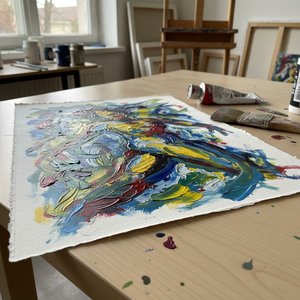
Acrylic on Paper: A Modern Canvas for Contemporary Expression
Explore the versatility of acrylic painting on paper! Discover expert techniques, artist insights & archival practices for creating stunning contemporary art. Learn more at OriginalUniqueArt.

Mastering Ink on Paper: The Timeless Art of Precision, Flow, and Calligraphic Heritage
Explore the profound mastery of ink on paper. From Japanese haiku traditions to Ming Dynasty calligraphy, discover the delicate balance of precision and flow that defines this timeless art form through an expert historical lens.
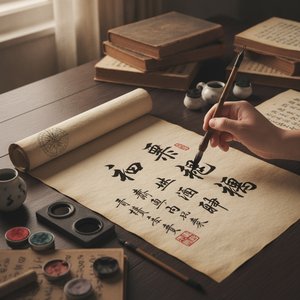
Mastering the Flow: The Timeless Art of Ink on Paper and the Legacy of Calligraphic Mastery
Explore the profound elegance of ink on paper. From the rhythmic running script of the Ming Dynasty to Zen-inspired haiku, discover the history, technique, and meditative mastery behind the world's most timeless calligraphic traditions.
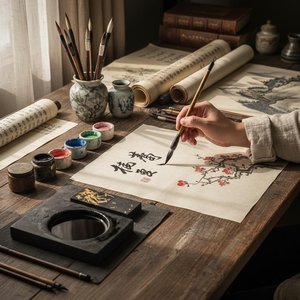
The Alchemy of Ink: Mastering the Timeless Beauty and Art History of Paper and Brush
Embark on a sophisticated exploration of ink wash painting and Sumi-e. Uncover the profound historical lineages, Zen philosophies, and technical mastery behind this timeless medium in our authoritative guide for fine art enthusiasts.