A Brushstroke of Change: The World of Xie Zhiguang
Xie Zhiguang stands as a compelling figure in contemporary Chinese art, though his work is deeply rooted in tradition. He isn’t an artist who sought to dismantle the past but rather one who chose to engage with it—to interpret its beauty and relevance within the rapidly evolving landscape of modern China. Born in a time of immense societal shift, Xie Zhiguang's artistic journey reflects both a reverence for classical techniques and a keen observation of the changing world around him. While biographical details remain somewhat elusive, his art speaks volumes about a life attuned to the rhythms of rural existence, the delicate grace of nature, and the complex interplay between tradition and progress. He continues to live and work, offering a unique perspective on Chinese identity through evocative calligraphy and paintings.Early Influences & The Foundation of Style
Xie Zhiguang’s artistic foundation is firmly planted in the rich soil of traditional Chinese painting and calligraphy. His mastery isn't simply technical; it’s imbued with a deep understanding of the philosophical underpinnings that have shaped these art forms for centuries. He likely received rigorous training in classical techniques, focusing on brush control, ink wash painting (shuimohua), and the expressive power of Chinese characters. The influence of earlier masters is subtly present in his work—a delicate balance between reverence and individual expression. However, Xie Zhiguang wasn’t content to merely replicate the past. He began to incorporate elements that reflected his own experiences and observations, particularly those related to the changing rural environment he inhabited. This early period was crucial in establishing his distinctive style: a harmonious blend of traditional skill and contemporary sensibility.Themes & Symbolism: Rural Life & Modernization
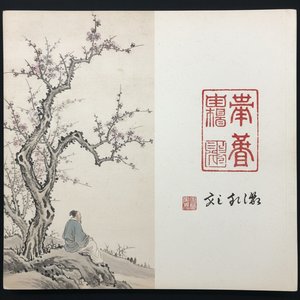
The core themes within Xie Zhiguang’s oeuvre revolve around the beauty of rural life, the delicate transience of flowers, and the impact of modernization on the Chinese countryside. His paintings often depict scenes of everyday existence—farmers working in their fields, quiet villages nestled amongst rolling hills, and intimate portraits of nature's bounty. These aren’t idealized depictions; they possess a grounded realism that speaks to the artist’s genuine connection with his subject matter.- Plantain Leaves: A recurring motif in Xie Zhiguang’s work is the plantain leaf, often rendered with remarkable detail and sensitivity. The plantain holds symbolic significance in Chinese culture, representing resilience, longevity, and a connection to nature.
- Flowers as Metaphor: Flowers are not merely decorative elements in his paintings; they serve as powerful metaphors for the fleeting beauty of life, the cyclical nature of time, and the enduring power of hope. He often focuses on blossoms that embody strength and grace, such as plum blossoms (symbolizing perseverance) and orchids (representing refinement).
- The Changing Landscape: Xie Zhiguang doesn’t shy away from depicting the impact of modernization—the encroachment of urban development, the changing agricultural practices. However, his approach isn't one of outright condemnation; rather, he seeks to capture the complex emotions associated with these transformations—a sense of loss mingled with a cautious optimism.
Technique & Artistic Process
Xie Zhiguang’s technique is characterized by its precision and control. He demonstrates an exceptional command of brushwork, utilizing varying ink densities and textures to create depth and atmosphere. His calligraphy is equally impressive—each character imbued with a sense of energy and vitality. The artist often works on xuan paper (rice paper), allowing the ink to bleed and blend naturally, creating subtle gradations of tone. He employs both color and monochrome techniques, adapting his approach to suit the specific subject matter and desired effect. His paintings are not simply representations of reality; they’re carefully constructed compositions that invite contemplation and evoke a sense of tranquility. The artist's process is one of mindful observation and deliberate execution—a testament to the enduring power of traditional Chinese artistic principles.Historical Significance & Contemporary Relevance
Xie Zhiguang’s work occupies a unique position within contemporary Chinese art. He isn’t part of any particular school or movement, yet his paintings resonate with audiences both in China and abroad. His ability to seamlessly blend tradition and modernity sets him apart—offering a nuanced perspective on the complexities of Chinese identity in the 21st century. While many artists have explored themes of social change and cultural upheaval, Xie Zhiguang’s approach is characterized by its quiet dignity and understated beauty. He doesn't offer grand pronouncements or political statements; instead, he invites viewers to connect with the human experience—to appreciate the simple joys of life, the enduring power of nature, and the importance of preserving cultural heritage. His art serves as a poignant reminder that even in the face of rapid change, there is still value in tradition, beauty, and mindful observation.Q&A
Xie Zhiguang 작가의 작품을 감상할 수 있는 가상 박물관에 방문할 수 있나요?
가상 방문이 가능합니다: Xie Zhiguang의 3D 갤러리 페이지에서 3D 갤러리를 통해 작가의 작품들을 만나보실 수 있습니다.
Xie Zhiguang의 작품은 얼마나 인기가 있나요?
이 사이트에서 Xie Zhiguang의 작품에 관한 통계를 확인할 수 있는 방문 통계 페이지를 만나보세요.
Xie Zhiguang의 작품을 기법별로 모아볼 수 있는 곳은 어디인가요?
모든 매체별 페이지에서는 Xie Zhiguang의 작품을 기법별로 모아볼 수 있습니다.