1

10월 2026 업데이트 · 인기 점수 기준 순위 (각 작품의 검색, 방문 및 주문 수) · 27점의 Norman Bluhm 작품 (당사 카탈로그 기준)
요약하자면
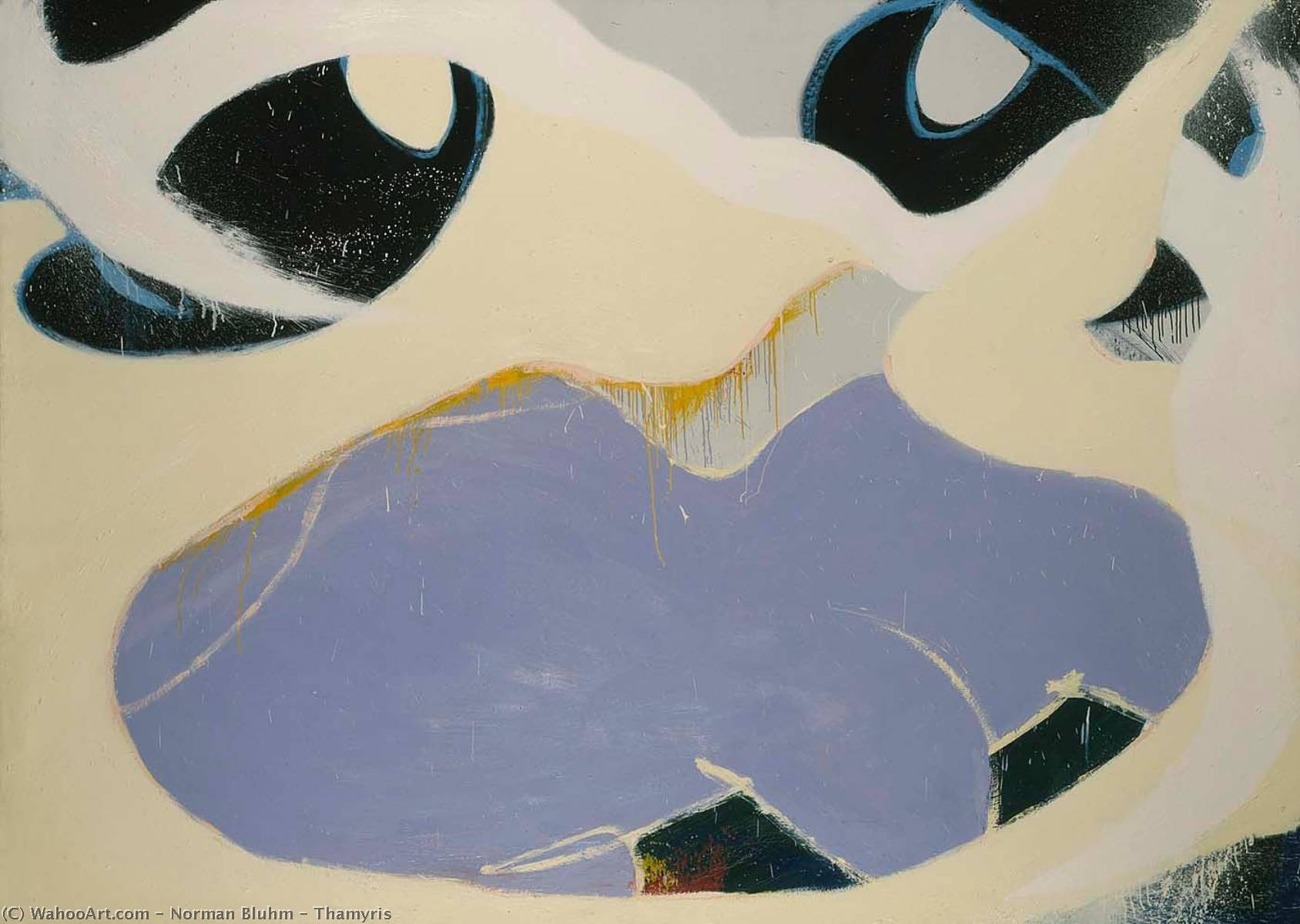
갤러리가 선정한 Norman Bluhm의 대표작은 Thamyris (1972)입니다. Untitled (1959)와 Study I, Yellow and Black (1960)가 더해져 누구나 한눈에 알아볼 수 있는 완벽한 트리오를 완성합니다. Norman Bluhm의 작품 27점 중, 갤러리는 가장 유명한 27점을 아래와 같이 소개합니다. 각 작품은 제작 연도, 소장 미술관 및 작품의 특징을 포함한 독창적인 원작입니다.
 Aritic1959
12
 Untitled1960
13
 It's Raining1960
14
 Excalibur1960
15
 Mojabe1966
16
 Mathematics1962
17
 Eudocia1967 · 스미소니언 미국 미술관
18
 Unused preparatory drawing from In Memory of My Feelings1967
19
 Preparatory drawing from In Memory of My Feelings1967
20
 Thetis1968
21
 Issac Comnenus1967
22
 Eudocia1967
23
 Erythea1971 · 스미소니언 미국 미술관
24
 Dido1973 · 스미소니언 미국 미술관
25
 Study 31973
26
 Erythea1971
27
 Dido1973
이 페이지에 있는 작품을 가장 많이 소장하고 있는 2개의 미술관
| 소장 미술관 | 도시 | Norman Bluhm의 작품 | 이 목록의 작품들 |
|---|---|---|---|
 스미소니언 미국 미술관 |
워싱턴 D.C. | 4 | Untitled, Eudocia, Erythea |
 메트로폴리탄 미술관 |
뉴욕 | 1 | It's Raining |
그 시대를 정의하는 오리지널 작품을 만나보려면 연대를 선택하세요.


Thamyris (1972). 다음은 Untitled (1959)와(과) Study I, Yellow and Black (1960)입니다.
51세: Thamyris은(는) 1972년 작품이며, Norman Bluhm은(는) 1921년에 태어났습니다.
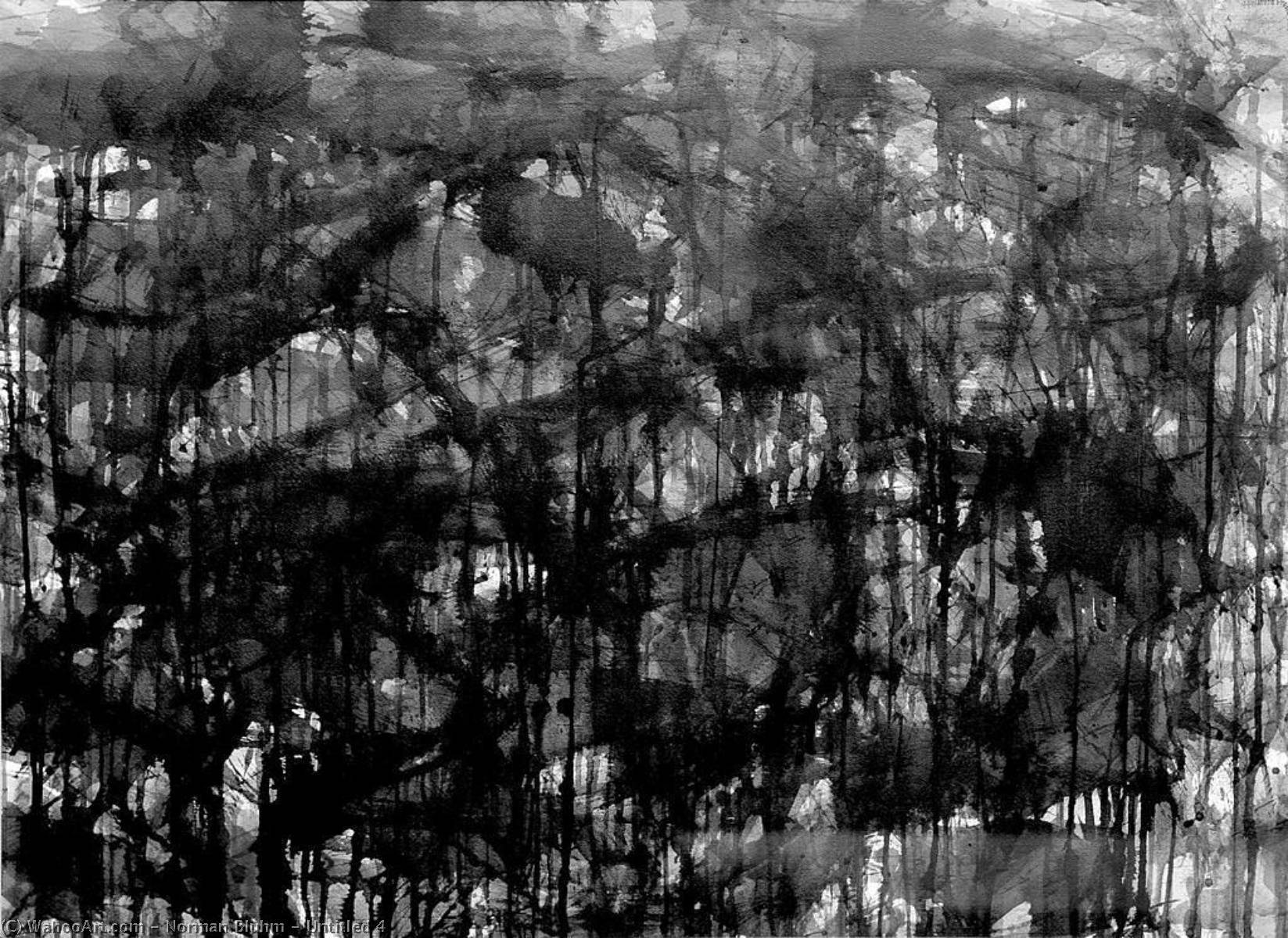
Thamyris, Untitled, Study I, Yellow and Black, Mathematics, Acheron, Untitled 4, Untitled, It's Raining, Study for Oz 및 Ariel. 위 순위는 각 작품의 제작 연도와 소장 박물관을 나타냅니다.
저희 카탈로그에는 1957년부터 1973년 사이의 Norman Bluhm 작가의 작품 27점이 수록되어 있습니다.
대부분 스미소니언 미국 미술관 (워싱턴 D.C.) 및 메트로폴리탄 미술관 (뉴욕)에 소장되어 있습니다. 위의 박물관 목록에서 전체 목록을 확인하실 수 있습니다.
1960s 동안: 이 페이지의 총 27점의 작품 중 16점이 해당 시기에 제작되었으며, 그중 Study I, Yellow and Black점입니다.
이 페이지에서 가장 오래된 작품은 Untitled 4 (1957)이며, 가장 최근 작품은 Dido (1973)입니다.
이 페이지의 원작들을 기준으로 볼 때, Abstract expressionism
Untitled, Eudocia 및 Erythea: 스미소니언 미국 미술관, 워싱턴 D.C.은(는) 이 페이지에 있는 작품 중 4점을 소장하고 있습니다.
To look at the work of Norman Bluhm is to witness the residue of a life shaped by profound disruption. He was an abstract expressionist painter who did not merely paint; he processed the wreckage of the mid-twentieth century through heavy, gestural application. His presence in the canon is cemented by his inclusion in the permanent collections of the Museum of Modern Art and the Metropolitan Museum of Art. These are not mere accolades; they are evidence of a technical command that forced the art world to pay attention.
Bluhm’s trajectory was never linear. He began with the rigid, structural logic of architecture, attending the Illinois Institute of Technology at sixteen. There, he operated in the shadow of giants like Mies van de Rohe and Frank Lloyd Wright. This early exposure to architectural precision provided a skeletal framework that his later, more chaotic abstraction would eventually dismantle.
The trajectory of his life shifted violently during World War II. Drafted into the U.S. Air Force, Bluhm returned from service physically injured and emotionally scarred by the loss of his brother. This period of trauma effectively killed the architect and birthed the painter. He sought a life that was entirely his own, trading blueprints for brushes. This pursuit led him to the heart of European tradition.
His training was rigorous and geographically diverse:
Bluhm’s significance lies in his ability to bridge the gap between formal training and raw, expressive energy. His works, such as "Chandelle" (1966) and "Oz", demonstrate a refusal to settle for easy aesthetics. The Smithsonian American Art Museum holds pieces that reflect this uncompromising stance. He did not rely on decorative flourishes; he relied on the physical reality of paint. His career remains a study in how personal devastation can be converted into a disciplined, visual language.