Simon Callery: Mapping the Urban Landscape Through Abstract Vision
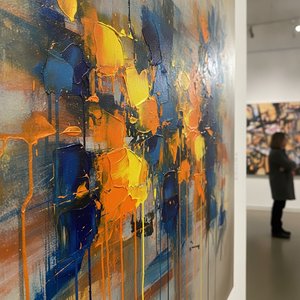
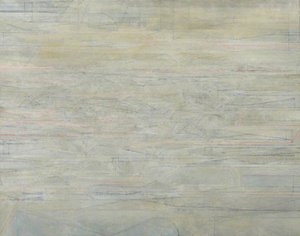
Simon Callery (born 1960) is an English artist whose distinctive approach to painting—characterized by fragmented, layered textures and evocative depictions of urban environments—has cemented his place as a pivotal figure within the Young British Artists movement and established him as one of Britain’s most respected contemporary painters. His work transcends mere representation; instead, it delves into psychological landscapes, exploring themes of memory, perception, and the elusive nature of experience. Born in London, Callery pursued formal artistic training at Cardiff College of Art, where he honed his skills in oil painting and developed a fascination with architectural forms and textures—influences that would profoundly shape his subsequent artistic endeavors. Early exhibitions showcased his burgeoning talent, establishing him within the vibrant milieu of British art during the nineties, alongside contemporaries like Liam Gilliland and Rachel Harrison. This period marked an initial foray into abstraction, where Callery began to dismantle recognizable imagery, prioritizing surface qualities and tonal harmonies over narrative content. Callery’s artistic trajectory gained considerable momentum with his inclusion in “Young British Artists III” at Saatchi Gallery (1994), a landmark exhibition that propelled him onto the international stage. This collective showcased a bold rejection of traditional art conventions, embracing experimentation and challenging viewers to reconsider established aesthetic boundaries. Subsequent projects—including collaborations with architects on the Segsbury Project—further solidified his commitment to exploring spatial relationships and materiality. The Segsbury project involved creating sculptural installations alongside archeologists at two significant sites in Wiltshire and Oxfordshire, reflecting Callery’s interest in engaging with history and uncovering hidden narratives within familiar landscapes. His work has been exhibited extensively across Europe and North America, garnering critical acclaim for its conceptual depth and visual impact. Notably, his paintings reside in the Tate Collection, a testament to their enduring artistic merit and contribution to British art history. Callery’s distinctive style—characterized by meticulous layering of pigment and textured surfaces—employs techniques reminiscent of Venetian Renaissance masters like Titian and Tintoretto, subtly referencing traditions of illusionistic painting while simultaneously forging an entirely original visual language. Through his exploration of urban spaces and psychological states, Simon Callery continues to provoke contemplation and inspire dialogue about the complexities of human perception and experience.- Notable Exhibitions: Young British Artists III (1994), Art Now at Tate Britain (2002), Galerie Philippe Casini, Paris (2002)
- Collection Holdings: Tate Collection
- Influences: Venetian Renaissance Masters (Titian & Tintoretto); Architectural Forms and Textures
질의응답
Simon Callery의 작품을 색상 스펙트럼별로 살펴볼 수 있나요?
Simon Callery의 작품은 작가의 색상별 인덱스 페이지에서 색상별로 살펴보실 수 있습니다.
Simon Callery 작가는 어떤 사조에 참여했나요?
Simon Callery 작가가 활동했던 예술 사조는 작품을 사조별로 분류하여 보여주는 작가의 모든 사조 페이지에서 확인하실 수 있습니다.
Simon Callery의 작품 세계는 시간이 흐름에 따라 어떻게 변화했나요?
Simon Callery의 연대기는 작가의 활동 시기별로 분류된 작품들을 연대순으로 보여주는 스크롤 방식의 타임라인입니다.