Katsukawa Shunshō: The Pioneer of Kabuki Portraiture
Katsukawa Shunshō (勝川 春章; 1726 – 19 January 1793) stands as a monumental figure in Japanese art history, recognized primarily for his transformative contribution to the ukiyo-e genre and specifically for establishing the Katsukawa school. Born into a family of artists—his father, Miyagawa Chōshun, was equally celebrated—Shunshō’s artistic journey began under the tutelage of Miyaagwa Shunsui, furthering the legacy of masterful Edo-period printmaking. Shunshō's impact transcends mere stylistic innovation; he fundamentally reshaped how kabuki actors were depicted, elevating them from secondary subjects to central figures worthy of monumental portraits.- Early Life and Training: Shunshō’s formative years saw him immersed in the traditions of haiku poetry and painting, laying the groundwork for his later artistic endeavors. He diligently honed his skills under Shunsui's guidance, absorbing techniques that would become hallmarks of the Katsukawa school’s distinctive aesthetic.
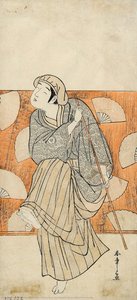
- The Birth of Yakusha-e: Shunshō irrevocably altered ukiyo-e conventions by pioneering yakusha-e—large-scale portraits of kabuki actors—a genre previously dominated by the Torii school. This bold decision signaled a decisive break from established artistic norms and ushered in an era of unprecedented realism and psychological depth within theatrical representations.
- Style and Technique: Shunshō’s style distinguished itself through meticulous attention to detail, masterful use of perspective, and innovative compositional arrangements. He championed the “long and narrow hashira-e” format, allowing for expansive depictions of actors' faces and expressions—a technique that profoundly impacted subsequent printmakers.
- Influence and Legacy: Shunshō’s influence extended far beyond his immediate contemporaries. He mentored artists like Shun’ei and Hokusai, fostering a vibrant artistic community and ensuring the continuation of his groundbreaking style. His legacy persists in the enduring beauty and psychological insight of countless yakusha-e prints that continue to captivate audiences worldwide.
Bijin-ga: Exploring Female Beauty Through Printmaking
While Shunshō’s fame rests largely on his yakusha-e achievements, he also produced a remarkable body of bijin-ga—images of beautiful women—that deserve considerable recognition. Scholars debate whether these paintings surpass the yakusha-e in artistic merit, arguing that Shunshō achieved unparalleled subtlety and nuance in capturing feminine grace and emotion. Notably, “Seirō Bijin Awase Sugata Kagami” (青楼美人合姿鏡), a collaborative project with Kitao Shigemasa, stands as one of the few surviving prints featuring bijin-ga by Shunshō—a testament to his versatility and artistic vision. The meticulous rendering of fabrics, hairstyles, and facial expressions exemplifies Shunshō’s dedication to portraying female beauty with breathtaking accuracy.Collaboration and Artistic Partnerships
Shunshō's creative spirit thrived in collaborative ventures, notably his partnership with Kitao Shigemasa on “Seirō Bijin Awase Sugata Kagami.” This ambitious project showcased Shunshō’s ability to synthesize diverse artistic influences—particularly lacquer techniques—resulting in a visually stunning book that cemented his reputation as a visionary innovator. Such collaborations underscored the importance of dialogue and exchange within the artistic landscape of Edo, fostering stylistic experimentation and enriching the cultural heritage of Japan.Notable Achievements & Recognition
Shunshō’s contribution to ukiyo-e is undeniable—he fundamentally redefined theatrical portraiture and elevated it to an art form worthy of scholarly contemplation. His pioneering use of realistic facial expressions and detailed depictions of actors' costumes established a new standard for artistic representation, influencing generations of printmakers who followed in his footsteps. Shunshō’s enduring legacy resides not only in the beauty of his artworks but also in their profound impact on Japanese visual culture.Q&A
Katsukawa Shunshō의 모든 작품을 어디에서 볼 수 있나요?
이 사이트에 등록된 Katsukawa Shunshō의 모든 작품은 작가의 전체 작품 보기 페이지에서 만나보실 수 있습니다.
Katsukawa Shunshō은(는) 어느 시대의 작품을 남겼나요?
Katsukawa Shunshō은(는) Early Modern 시대에 활동했습니다. 이 시기는 역사적 맥락 속에서 작가의 예술적 위치를 보여줍니다.
Katsukawa Shunshō의 작품 중 몇 점을 둘러보실 수 있나요?
전체 작품 보기 페이지에서 Katsukawa Shunshō의 작품 작품 22점점을 만나보실 수 있습니다.