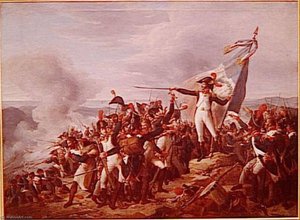
René Théodore Berthon: A Victorian Portraitist Shaping Canadian Identity
René Théodore Berthon (1806 – 1892) stands as a pivotal figure in the history of Canadian art, primarily recognized for his masterful execution of Victorian portraiture and his contribution to establishing the Royal Canadian Academy of Arts. Born in Tours, France, Berthon’s artistic journey began under the tutelage of Eugène Delacroix, arguably one of the most influential painters of his era—a formative experience that instilled within him a profound understanding of Romantic aesthetics and compositional dynamism. This early influence would permeate his subsequent works, shaping his distinctive style and cementing his reputation as a respected artist.- Early Life & Training: Berthon’s father, also René Théodore Berthon, served as Napoleon III's court painter, providing him with invaluable access to artistic circles and fostering an environment conducive to artistic development. This familial connection undoubtedly played a role in shaping his formative years and nurturing his passion for painting.
- Parisian Period & Artistic Influences: Following Delacroix’s guidance, Berthon honed his skills in Paris during the Romantic period, absorbing inspiration from artists like Eugène Fromentin and Alexandre Cabanel. These encounters exposed him to diverse artistic currents—particularly landscape painting—which would later inform his own approach to depicting the Canadian wilderness.
- Migration to Canada & Portraiture Career: In 1845, Berthon embarked on a significant relocation to Montreal, Quebec, driven by entrepreneurial ambition and a desire for new creative horizons. Immediately establishing himself as a portrait artist, he quickly gained prominence amongst prominent families and dignitaries of the burgeoning Canadian society.
The Victorian Style & Technique: Defining Berthon’s Artistic Vision
Berthon's artistic style is undeniably rooted in the conventions of Victorian portraiture—characterized by meticulous realism, subdued palettes dominated by earthy tones, and a focus on capturing psychological nuance alongside physical likeness. He skillfully employed glazing techniques—a hallmark of academic painting—to achieve luminous surfaces and subtle gradations of color, creating images that convey both grandeur and intimacy simultaneously. His canvases often depict subjects in formal poses against richly textured backgrounds—reflecting the aristocratic tastes of his clientele and demonstrating a mastery of compositional principles.- Glazing Techniques: Berthon’s glazing method involved applying thin layers of translucent paint over underlying colors, resulting in depth and luminosity that distinguished him from many contemporaries.
- Compositional Balance: He meticulously arranged elements within his canvases—creating harmonious compositions that prioritized balance and visual clarity—a technique honed through extensive observation and artistic experimentation.
- Psychological Depth: Beyond mere representation, Berthon sought to convey the inner life of his subjects—capturing expressions of emotion and conveying subtle psychological insights that elevated his portraits beyond superficial likenesses.
Notable Commissions & Legacy: Shaping Canadian Artistic Landscape
Berthon’s prolific portraiture career yielded a remarkable collection of images documenting the lives of influential figures across Canada—including Sir John Graves Simcoe, George Murray, Frederick Philipse Robinson, and Peter Russell. These commissions solidified his position as one of the foremost artists of his time and contributed significantly to preserving visual records of Canadian history. Furthermore, Berthon’s founding membership in the Royal Canadian Academy of Arts marked a pivotal moment in establishing Canada's artistic identity—promoting excellence in painting and fostering a vibrant cultural environment for generations to come. His enduring influence continues to resonate within Canadian art scholarship and inspires artists today to explore themes of realism, psychological portraiture, and historical documentation.Conclusion: An Artist Embodied in Victorian Tradition
René Théodore Berthon’s artistic legacy transcends mere stylistic imitation; he embodies the spirit of Victorian Canada—a nation striving for cultural sophistication and intellectual engagement. Through his unwavering dedication to mastering technique, capturing psychological depth, and documenting pivotal moments in Canadian history, Berthon secured his place as a cornerstone of Canadian art—a testament to the transformative power of artistic vision and enduring influence.Q&A
George Theodore Berthon의 작품을 분위기별로 모아둔 곳은 어디인가요?
George Theodore Berthon의 무드 룸에서는 작가의 작품들을 분위기별로 만나보실 수 있습니다.
특정 색상 팔레트의 George Theodore Berthon 작품은 어디에서 찾아볼 수 있나요?
특정 색상 팔레트의 George Theodore Berthon 작품을 찾으시려면, 작가의 컬러 팔레트별로 보기 페이지를 이용해 보세요.
George Theodore Berthon의 작품을 매체별로 찾아볼 수 있나요?
George Theodore Berthon의 작품은 작가 페이지인 모든 매체별에서 매체별로 둘러보실 수 있습니다.
George Theodore Berthon 작가의 작품에서 가장 자주 나타나는 색상은 무엇인가요?
이 사이트에 등록된 작품 전반에 나타나는 George Theodore Berthon의 색채 활용은 작가의 팔레트 지놈 페이지에서 자세히 살펴보실 수 있습니다.