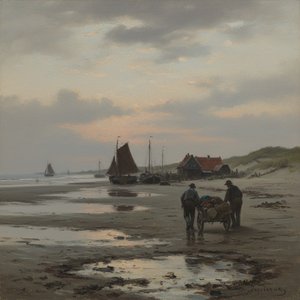
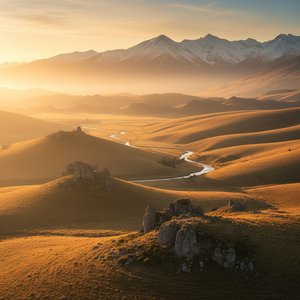
George Crummer: Chronicler of Cook Islands Life
George Crummer (c. 1852 – 1920), a New Zealand photographer, stands as an unassuming yet profoundly important figure in documenting the visual culture of the late nineteenth century Pacific. Born in obscurity, Crummer’s career blossomed during a period of intense colonial exploration and artistic endeavor, leaving behind a legacy of remarkable images that capture the essence of Cook Islands society and landscape.- Early Life & Photographic Training: Details about Crummer's upbringing are scarce, reflecting the limitations of archival records from his era. He honed his photographic skills primarily through self-education and experimentation, mastering techniques prevalent at the time – albumen printing, wet collodion process—methods that demanded meticulous precision and artistic sensibility. These formative years instilled in him a dedication to capturing reality with unwavering accuracy.
The Cook Islands Portfolio: A Window into Paradise Lost
Crummer’s fame rests principally upon his extensive photographic expeditions to the Cook Islands (Tahiti and Rarotonga) between 1889 and 1903. Driven by a desire to record the region's natural beauty alongside its vibrant cultural traditions, he produced an astonishing output of over 250 photographs—a monumental achievement for his time. His images depict scenes ranging from bustling marketplaces and ceremonial gatherings to serene landscapes showcasing volcanic peaks and lush tropical vegetation. Notably, Crummer’s portraits captured the faces of Cook Islanders with sensitivity and respect, portraying individuals engaged in daily life – farmers tending their crops, artisans crafting intricate carvings, and families celebrating special occasions.- Technique & Aesthetic Considerations: Albumen Printing: Crummer’s preferred printing process—albumen prints—produced images with exceptional tonal range and detail. This technique involved immersing paper in a solution of egg yolk, albumen, and potassium iodide before exposing it to light through a collodion emulsion. The resulting print was then carefully toned with chemicals like ferric ammonium citrate and potassium bichromate, achieving rich hues and subtle gradations that conveyed the atmosphere of his subjects.
- Influence & Legacy: Crummer’s work resonated deeply within the artistic circles of New Zealand and beyond. His photographs served as invaluable visual records for ethnographic studies conducted by prominent scholars like Walter Besant and Alfred Russel Wallace, contributing significantly to understanding Polynesian culture during a period of rapid change. Furthermore, his images continue to inspire artists today, demonstrating the enduring power of documentary photography to preserve cultural heritage and convey emotional truth.
Recognition & Exhibitions
A pivotal moment in Crummer’s artistic recognition arrived in 1989 when Govett-Brewster Art Gallery hosted a dedicated exhibition showcasing his Cook Islands photographs. This event underscored the significance of Crummer's contribution to visual culture and cemented his place as one of New Zealand’s foremost photographers of the era.- Further Exploration: Collectors and researchers alike continue to appreciate Crummer’s oeuvre, recognizing its artistic merit alongside its historical importance. Examining Crummer's photographs offers a unique glimpse into a bygone world—a testament to his unwavering commitment to documenting the beauty and complexity of the Cook Islands during a formative period in their history.
Q&A
George Crummer의 작품 중 몇 점을 둘러보실 수 있나요?
전체 작품 보기 페이지에서 George Crummer의 작품 작품 5점점을 만나보실 수 있습니다.
George Crummer의 작품 중 조회수가 가장 높은 것은 무엇인가요?
George Crummer의 방문 통계 페이지에서는 이 사이트에 등록된 작가의 작품들을 바탕으로 산출된 통계 정보를 제공합니다.
George Crummer 작가의 국적은 어디인가요?
George Crummer은(는) New Zealand 출신입니다.
George Crummer 작가는 어떤 사조의 작품 활동을 했나요?
George Crummer 작가의 작품을 예술 사조별로 모아둔 모든 미술 사조 페이지에서 해당 작가가 활동했던 사조를 확인하실 수 있습니다.