Daniel Macnee: A Highland Visionary
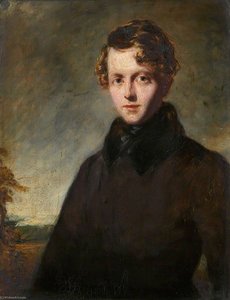
Daniel Macnee (1806 – 1882) stands as a pivotal figure in Scottish art history, recognized primarily for his evocative depictions of the Highlands and his contribution to establishing the Royal Scottish Academy. Born into a prominent London family, Macnee’s artistic journey began amidst considerable privilege but swiftly found its focus on capturing the rugged beauty and spirit of Scotland – a fascination that would define his oeuvre.
- Early Life & Education: Macnee received an excellent education at Eton College and subsequently pursued studies at Christ's Hospital, honing his artistic skills before embarking on a distinguished naval career. This formative experience instilled in him discipline and observation—qualities that would prove invaluable to his painting practice.
- The Highland Influence: Macnee’s artistic sensibilities were profoundly shaped by the landscapes of Scotland, particularly the Cairngorms National Park where he resided for extended periods. He meticulously studied topographical drawings and sketches, striving to accurately represent the dramatic vistas and subtle tonal variations characteristic of these mountainous regions.
- Royal Scottish Academy Membership & Leadership: Macnee’s dedication to artistic excellence culminated in his election to the Royal Scottish Academy in 1837—a prestigious honor that cemented his position as a leading voice within Scotland's artistic community. He served as President from 1869 until his death, championing innovation and fostering a supportive environment for aspiring artists.
Notable Paintings & Artistic Style
- “A Lady in Grey” (1859): Perhaps Macnee’s most celebrated work is “A Lady in Grey,” a portrait of his daughter, later Mrs Wiseman. Executed with remarkable realism and sensitivity, the painting exemplifies Macnee's mastery of tonal gradation—a technique he skillfully employed to convey mood and texture. The muted palette reflects the prevailing artistic trends of the era while simultaneously capturing the quiet dignity of his subject.
- Highland Scenes: Beyond portraiture, Macnee produced numerous landscapes that showcase his acute understanding of light and color. His canvases depict dramatic mountain ranges bathed in golden sunlight, conveying a palpable sense of grandeur and tranquility. He achieved this effect through meticulous observation and careful brushwork—characteristics that distinguish his work from more generalized depictions of the Highlands.
- Technique & Influences: Macnee’s artistic style drew inspiration from luminism—a movement emphasizing atmospheric effects and subtle tonal variations—and he skillfully adopted techniques pioneered by artists like George Caleb Bingham and Frederic Church. His meticulous attention to detail and his unwavering commitment to capturing the essence of his subjects ensured that his paintings would endure as timeless expressions of Scottish landscape and portraiture.
Legacy & Historical Significance
Daniel Macnee’s contribution to Scottish art extends beyond individual masterpieces; he played a crucial role in establishing the Royal Scottish Academy, fostering artistic discourse and promoting excellence within Scotland's visual arts landscape. His paintings continue to resonate with viewers today, serving as reminders of a bygone era characterized by Romantic idealism and an unwavering appreciation for the sublime beauty of nature. Macnee’s legacy resides not only in his artistic achievements but also in his enduring influence on subsequent generations of Scottish artists.
질의응답
Daniel Macnee의 작품 중 몇 점을 둘러보실 수 있나요?
모든 작품 보기 페이지에서 Daniel Macnee의 작품 작품 108점점을 만나보실 수 있습니다.
Daniel Macnee 작가의 작품을 감상할 수 있는 3D 가상 투어가 있나요?
Daniel Macnee의 3D 뮤지엄는 작가의 작품들을 가상 3D 갤러리로 선보이는 페이지입니다.
Daniel Macnee의 작품을 사조별로 둘러볼 수 있나요?
Daniel Macnee 작가가 활동했던 예술 사조는 작품을 사조별로 분류하여 보여주는 작가의 모든 사조 페이지에서 확인하실 수 있습니다.