

Introduction
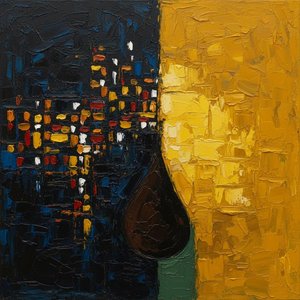
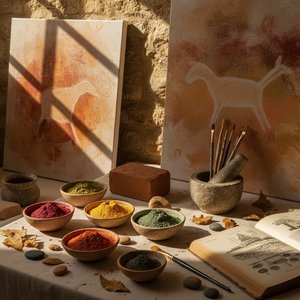
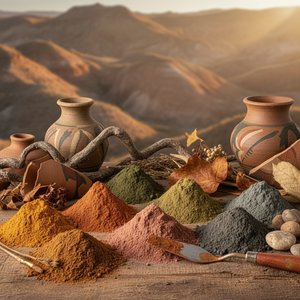
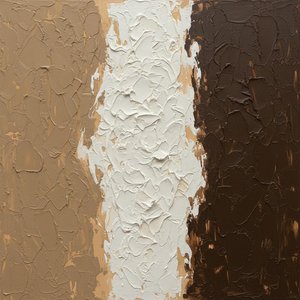
Close your eyes and imagine a world steeped in earth tones—the rich, warm embrace of raw umber. It’s a color that whispers of ancient caves, the first pigments ground from soil and charcoal, and the very beginnings of artistic expression. For centuries, artists have harnessed the power of this humble hue to evoke feelings of grounding, nostalgia, and profound depth. Raw umber isn't merely a pigment; it's a portal to history, a connection to our ancestors, and a testament to the enduring beauty of the natural world.
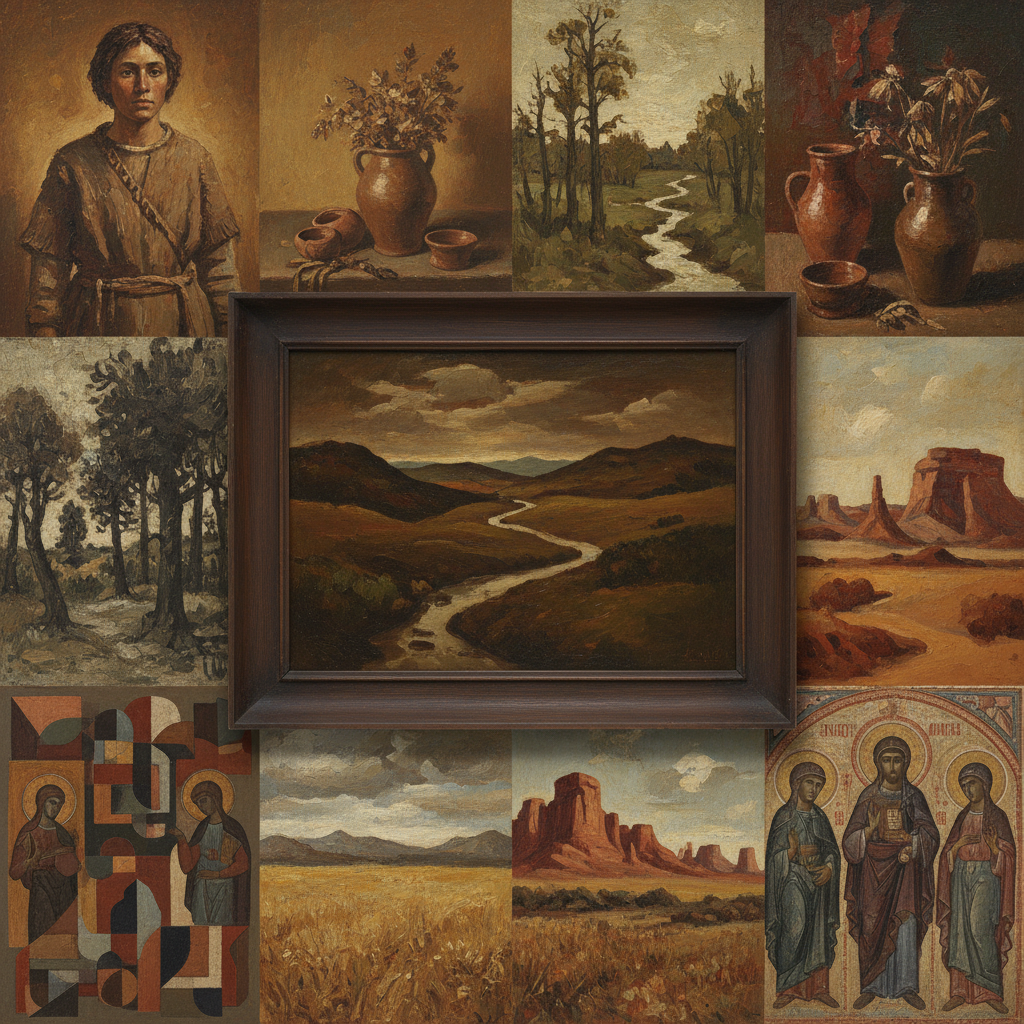
The prevalence of raw umber in masterworks wasn’t accidental. Before the advent of synthetic pigments, earth tones were readily available and remarkably stable, making them foundational to painting traditions across cultures. From the Renaissance workshops of Europe to the landscapes of Dutch masters and beyond, raw umber provided a crucial base for building shadows, modeling form, and creating atmospheric perspective. It was the color of everyday life—the soil beneath our feet, the wood of our homes, the very fabric of existence.
But these paintings transcend mere historical significance. They speak to universal human experiences: loss, love, contemplation, and the search for meaning. The artists who wielded raw umber weren’t simply depicting scenes; they were capturing emotions, exploring philosophical ideas, and leaving behind legacies that continue to resonate with us today. Their works invite us to slow down, observe closely, and connect with something deeper within ourselves.
In the following list, we'll embark on a journey through ten iconic paintings where raw umber takes center stage—works that demonstrate its versatility, emotional power, and enduring appeal. Prepare to be captivated by the subtle nuances of this remarkable color and the stories it holds within each brushstroke.
The Death of Sardanapalus - ferdinand victor eugène delacroix
 The Death of Sardanapalus - ferdinand victor eugène delacroix
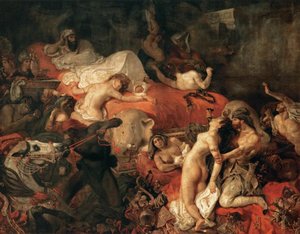
Imagine a suffocating heat, the scent of incense mingling with fear and desperation. A king watches, impassive, as his world collapses around him—a spectacle of unimaginable decadence unfolding before his eyes. This is the scene Eugène Delacroix conjures in his 1827 masterpiece, “The Death of Sardanapalus,” a painting that pulsates with raw emotion and unrestrained energy.
Inspired by Lord Byron’s dramatic poem, Delacroix doesn't simply depict a historical event; he plunges us into the heart of Assyria’s final moments. The canvas explodes with writhing bodies, shimmering fabrics, and the glint of gold—all rendered in a palette dominated by rich, earthy tones, most notably raw umber. This isn’t a painting about destruction alone; it's an exploration of power, sensuality, and the fatalistic acceptance of fate.
“The Death of Sardanapalus” earns its place among the Top 10 Famous Paintings Dominated by 'Raw Umber' Tones’ through its sheer visceral impact. The color isn’t merely a backdrop; it *is* the atmosphere—a tangible representation of decay and impending doom. Delacroix masterfully uses umber to create shadows that envelop the scene, intensifying the drama and drawing us into Sardanapalus’s tragic world.
Today, this painting reminds us of art's power to confront difficult truths and explore the complexities of human nature. A touch of these deep, grounding tones in our own spaces—perhaps through a textured canvas or an earthy accent wall—can evoke a similar sense of contemplation and remind us of the beauty found even within chaos.
I and the Village - Marc Chagall
 I and the Village - Marc Chagall
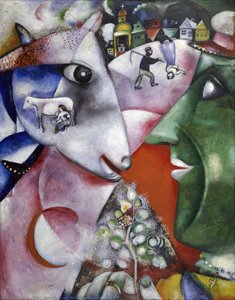
Close your eyes and imagine a village suspended between memory and reality—a place where rooftops tilt at impossible angles, and figures float amidst fields of vibrant color. This is the world Marc Chagall invites us into with his 1911 masterpiece, “I and the Village,” a painting that resonates with a profound sense of nostalgia and belonging.
While exhibiting Cubist influences in its fragmented forms, this work transcends categorization, forging a uniquely personal artistic language. The canvas is awash in earthy tones—particularly raw umber—which grounds the dreamlike imagery and evokes a feeling of rustic warmth. These aren’t simply colors; they are echoes of Chagall's childhood in Vitebsk, Belarus.
“I and the Village” rightfully claims its place among the Top 10 Famous Paintings Dominated by 'Raw Umber' Tones’ for its innovative approach to representation. The umber isn’t used to depict reality but rather to *create* a feeling—a sense of interconnectedness between the artist, his memories, and the world around him.
Today, this painting reminds us that art can be a powerful tool for preserving our own personal histories. The layered textures and warm color palette found in Chagall’s work translate beautifully into modern interiors—think cozy living spaces with earthy accents, textured walls, and artwork that evokes a sense of comfort and belonging.
The School of Athens (detail 1) (Stanza della Segnatura) - Raphael
 The School of Athens (detail 1) (Stanza della Segnatura) - Raphael
Imagine stepping into a world where ancient wisdom comes alive—a space filled with calm contemplation and intellectual energy. This is the experience Raphael offers us within “The School of Athens,” and particularly in this exquisite detail featuring Plato and Aristotle. The muted, earthy tones—dominated by raw umber—create an atmosphere of timeless gravitas, inviting us to join their philosophical discourse.
This fragment rightfully earns its place among the Top 10 Famous Paintings Dominated by 'Raw Umber' Tones’ for Raphael’s masterful use of color and light. The subtle *sfumato* technique softens contours and creates an ethereal depth, while the warm palette evokes a sense of intellectual warmth and harmony.
More than just a depiction of ancient thinkers, this is a visual manifesto celebrating human intellect. At , we believe in making such profound beauty accessible—allowing you to bring the spirit of the Renaissance into your own home. A reproduction of this detail, with its grounding umber tones and serene composition, can transform any space into a sanctuary for contemplation and inspire a deeper connection to art history.
Ram's Head, White Hollyhock-Hills - Georgia O'Keeffe
 Ram's Head, White Hollyhock-Hills - Georgia O'Keeffe
Imagine a landscape stripped bare—a bleached animal skull resting beneath a vast, turbulent sky. This is the haunting beauty Georgia O’Keeffe captures in “Ram's Head, White Hollyhock-Hills,” a painting that speaks to the enduring spirit of nature and the cyclical rhythms of life and death.
This work earns its place among the Top 10 Famous Paintings Dominated by 'Raw Umber' Tones’ through O’Keeffe’s masterful use of color and composition. The warm, earthy tones of the landscape—rich browns and reds—provide a striking contrast to the stark white skull, creating a powerful visual tension that draws the eye.
More than just a depiction of bone and desert, this painting is a meditation on mortality and resilience. At , we believe in bringing such profound beauty into your home. A reproduction of “Ram's Head, White Hollyhock-Hills” can serve as a quiet reminder of life’s fragility—a striking focal point that invites contemplation and adds a touch of understated elegance to any space.
The Lamentation over the Dead Christ - Andrea Mantegna
 The Lamentation over the Dead Christ - Andrea Mantegna
A silence hangs heavy—a moment frozen in time, steeped in grief and profound vulnerability. Andrea Mantegna’s “The Lamentation over the Dead Christ” isn't merely a depiction of sorrow; it’s an intimate encounter with human loss rendered with breathtaking realism.
This masterpiece rightfully claims its place among the Top 10 Famous Paintings Dominated by 'Raw Umber' Tones’ for Mantegna’s masterful use of color and perspective. The muted palette—rich browns, ochres, and creams—emphasizes the physicality of death while drawing our gaze to the raw emotion etched on Mary’s face.
The painting’s innovative composition, with its dramatic foreshortening and unsettling intimacy, challenges conventional depictions of grief. At , we believe in bringing such profound beauty into your home—allowing you to experience a sense of quiet contemplation and timeless elegance. A reproduction of “The Lamentation” can serve as a powerful reminder of our shared humanity and the enduring power of art.
The Blue Boy (Jonathan Buttall) - Thomas Gainsborough
 The Blue Boy (Jonathan Buttall) - Thomas Gainsborough
A whisper of silk, a gaze lost in contemplation—Thomas Gainsborough’s “The Blue Boy” isn't simply a portrait; it’s an evocation of youth, elegance, and the fleeting beauty of aristocratic life.
This masterpiece earns its place among the Top 10 Famous Paintings Dominated by 'Raw Umber' Tones’ through Gainsborough’s masterful use of light and shadow. While celebrated for its vibrant blue hues, it is the subtle interplay of umber tones—in the landscape background and the delicate shading of the boy’s features—that grounds the composition and lends it a sense of timeless depth.
The loose brushwork and atmospheric quality create an emotional resonance that transcends mere representation. A reproduction of “The Blue Boy” can bring this same sense of quiet sophistication to your home, inviting contemplation and adding a touch of Rococo charm to any space. It’s a reminder that true beauty lies not in perfection but in the delicate balance of light, color, and emotion.
Saturn Devouring His Son - Francisco José de Goya y Lucientes
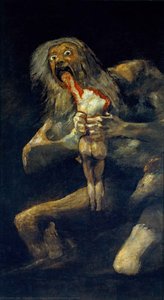 Saturn Devouring His Son - Francisco José de Goya y Lucientes
A primal scream frozen on canvas—Francisco Goya’s “Saturn Devouring His Son” is not merely a painting; it's a visceral embodiment of fear, tyranny, and the relentless passage of time.
This haunting image rightfully claims its place among the Top 10 Famous Paintings Dominated by 'Raw Umber' Tones’ for Goya’s masterful use of chiaroscuro and texture. The limited palette—dominated by blacks, browns, ochres, and grays—amplifies the painting’s somber mood, while thick impasto creates a rough, tactile surface that heightens the sense of rawness.
Beyond its disturbing imagery, “Saturn Devouring His Son” invites contemplation on the darker aspects of human nature. While not a piece to be casually displayed, a carefully considered reproduction—perhaps in a smaller format—can serve as a powerful reminder of art’s ability to confront difficult truths and evoke profound emotional responses.
Premonition of Civil War - Salvador Dalí
 Premonition of Civil War - Salvador Dalí
Unveiling “Premonition of Civil War” is to encounter a vision both haunting and profoundly moving—a testament to Salvador Dalí’s unparalleled ability to translate psychological turmoil into breathtaking imagery.
This masterpiece earns its place among the Top 10 Famous Paintings Dominated by 'Raw Umber' Tones’ through Dalí’s masterful use of distortion and symbolism. The limited palette—anchored by earthy browns and ochres—amplifies the painting’s sense of unease, while the meticulous detail creates a startling contrast between dreamlike reality and visceral emotion.
More than just a premonition of conflict, this artwork is an exploration of human fragility. A carefully chosen reproduction can serve as a powerful focal point in a refined interior—a reminder of art’s ability to confront difficult truths and evoke contemplation on the complexities of the human condition.
The Battle between Lent and Carnival - pieter bruegel the younger
 The Battle between Lent and Carnival - pieter bruegel the younger
To gaze upon Pieter Bruegel the Younger’s “The Battle between Lent and Carnival” is to step into a vibrant, chaotic world—a microcosm of 16th-century life brimming with both joy and subtle moral anxieties.
This masterpiece earns its place among the Top 10 Famous Paintings Dominated by 'Raw Umber' Tones’ through Bruegel’s meticulous detail and masterful composition. The earthy palette—anchored by browns, ochres, and reds—creates a sense of immersive realism, while the dynamic arrangement invites viewers to contemplate the complexities of human existence.
More than just a depiction of village life, this painting is a timeless allegory for the struggle between indulgence and repentance. A carefully chosen reproduction can serve as a powerful focal point in a refined interior—a reminder of art’s ability to provoke thought and inspire reflection on our own choices.
The Ruins of the Old Kreuzkirche in Dresden - Bernardo Bellotto
 The Ruins of the Old Kreuzkirche in Dresden - Bernardo Bellotto
Bernardo Bellotto’s “The Ruins of the Old Kreuzkirche in Dresden” is more than a meticulously rendered cityscape; it's a poignant testament to resilience, capturing a pivotal moment in history with both sorrow and quiet determination.
This masterpiece earns its place among the Top 10 Famous Paintings Dominated by 'Raw Umber' Tones’ through Bellotto’s masterful *veduta* technique and atmospheric color palette. The subdued tones—earthy browns, grays, and faded reds—amplify the somber mood while highlighting the textures of stone and brick with remarkable precision.
Beyond its historical significance, this painting invites reflection on the enduring spirit of humanity in the face of loss. A carefully chosen reproduction can serve as a powerful focal point in a refined interior—a reminder that even amidst devastation, beauty and hope can endure.
Conclusion
As the light fades, and these ten canvases recede into memory, we are left not with a collection of historical artifacts, but with echoes—whispers of human emotion, resilience, and the enduring power of artistic vision. Each brushstroke, each carefully chosen hue of raw umber and its companions, speaks to a deeper truth about our shared experience.
These paintings are not frozen in time; they live on, breathing within the walls of museums and—perhaps more intimately—within the spaces we create for ourselves. A glimpse of that earthy palette can transport us back centuries, reminding us of both the beauty and fragility of life. They invite contemplation, spark conversation, and offer a quiet solace in a world often defined by chaos.
And so, as you step out into your own day, we encourage you to carry these echoes with you—to seek out the moments of stillness, to appreciate the subtle nuances of color and form, and to remember that art is not merely something to be observed, but a living force that shapes our perceptions and enriches our souls. Explore our full collection and discover more masterpieces waiting to ignite your imagination.