Introduction: The Enduring Appeal of Earth’s Palette
From the ochre caves of prehistoric Lascaux to the sun-drenched landscapes of Renaissance Italy, a certain palette has consistently captivated artists and resonated deeply within the human spirit. These are the earth tones – hues born from the very ground beneath our feet, pigments derived from minerals, soils, and organic matter that connect us to the natural world in a profoundly visceral way. Their enduring appeal isn’t merely aesthetic; it lies in their ability to evoke feelings of stability, warmth, and timelessness, qualities that have made them central to artistic expression for millennia. The subtle variations within this spectrum—the russets of iron oxides, the muted greens of copper compounds, the creamy yellows of clays—offer a depth and complexity often absent in more vibrant, synthetic colors. This exploration delves into the historical significance, psychological impact, and enduring beauty of earth tones in painting, revealing why they continue to inspire artists and enrich our visual experience.
A Historical Canvas: Earth Tones in Renaissance Art
 Flood
FloodExplore 'Flood' by Paolo Uccello – a stunning Renaissance fresco depicting biblical scenes & historical figures. Detailed analysis reveals its unique style & enduring beauty. #art #renaissance #Uccello
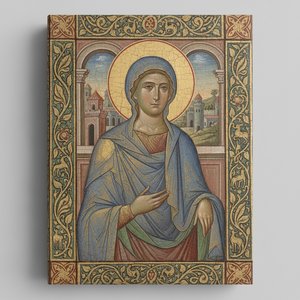
The Renaissance witnessed a remarkable revival of artistic techniques, and with it came a renewed appreciation for the materiality of paint itself. Artists like Paolo Uccello, in his stunning fresco “Flood,” masterfully employed earth pigments to depict biblical scenes with both dramatic realism and symbolic depth. While often overshadowed by the brilliance of later colorists, Uccello’s use of layered ochres and umbers creates a sense of atmospheric perspective and weight that grounds the fantastical elements of his composition. Similarly, Giotto di Bondone's “Raising of Drusiana” (1320) showcases an early Renaissance realism achieved through carefully modulated earth tones; the muted palette isn’t simply a stylistic choice but a deliberate attempt to convey emotional gravity and human vulnerability. The pigments themselves were often locally sourced, reflecting the specific geological character of the region and imbuing the artwork with a sense of place. Even Duccio di Buoninsegna, a pivotal figure in Sienese Gothic art, utilized earth tones—evident in fragments like “Christ before Caiaphas”—to create layered symbolism and impasto textures that brought his religious narratives to life. These early masters understood that the color wasn’t merely decorative; it was integral to the narrative power of their work.
The Psychology of Color: Why Earth Tones Evoke Emotion
Earth tone is a term used to describe a palette of colors that are similar to natural materials and landscapes. These colors are inspired by the earth's natural hues, including browns, greens, grays, and other warm and muted shades. The term earth to...
Our connection to earth tones is deeply rooted in our evolutionary history. As humans, we evolved surrounded by natural landscapes—the browns of forests, the greens of grasslands, the reds and yellows of deserts. These colors became associated with survival, security, and a sense of belonging. Psychologically, earth tones are perceived as grounding and comforting. They evoke feelings of stability, warmth, and connection to nature, reducing stress and promoting relaxation. The subtle variations within the palette also play a crucial role; warmer ochres can inspire feelings of optimism and energy, while cooler umbers convey a sense of introspection and melancholy. This inherent emotional resonance makes earth tones particularly effective in creating spaces that feel inviting and harmonious. They don’t demand attention but rather create a soothing backdrop that allows other elements—light, texture, form—to take center stage.
Ochre and Umber: The Foundations of Natural Pigments
Ochre ( OH-kər; from Ancient Greek ὤχρα (ṓkhra), from ὠχρός (ōkhrós) 'pale'), iron ochre, sometimes ocher in American English, is a natural clay earth pigment, a mixture of ferric oxide and varying amounts of clay and sand. It ranges in colour from...
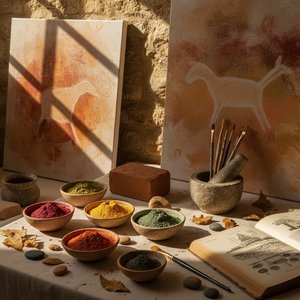
At the heart of the earth tone palette lie two foundational pigments: ochre and umber. Ochre, derived from iron oxide clays, ranges in color from pale yellow to deep orange-brown, its hue determined by the amount of iron present and the geological conditions under which it formed. Historically, ochre was one of the first pigments used by humans, found in cave paintings dating back tens of thousands of years. Umber, a darker, cooler pigment containing manganese oxide, offers a richer, more complex tone often associated with shadows and depth. Both pigments are remarkably stable and lightfast, ensuring their longevity in artworks. The process of obtaining these pigments was often laborious, involving digging, grinding, and washing the raw materials to separate the desired color from impurities. The very act of creating these pigments—connecting directly with the earth’s resources—imbued them with a sense of authenticity and value that synthetic colors simply cannot replicate.
Harmonizing Spaces: Utilizing Earth Tone Palettes for Interior Design
The principles that guided Renaissance artists in their use of earth tones are equally applicable to contemporary interior design. Creating harmonious spaces involves understanding the subtle interplay between different shades and textures within the palette. A neutral base of warm grays or creamy beiges provides a calming foundation, while accents of terracotta, rust, or olive green can add depth and visual interest. Layering textures—linen fabrics, woven rugs, natural wood—further enhances the earthy feel, creating a sense of warmth and sophistication. The key is to avoid stark contrasts; instead, opt for subtle gradations within the palette, allowing colors to blend seamlessly and create a cohesive atmosphere. As highlighted in guides on color palettes, earth tones are versatile enough to complement both rustic and modern aesthetics, offering a timeless appeal that transcends fleeting trends.
Contemporary Expressions: Earth Tones in Modern Painting
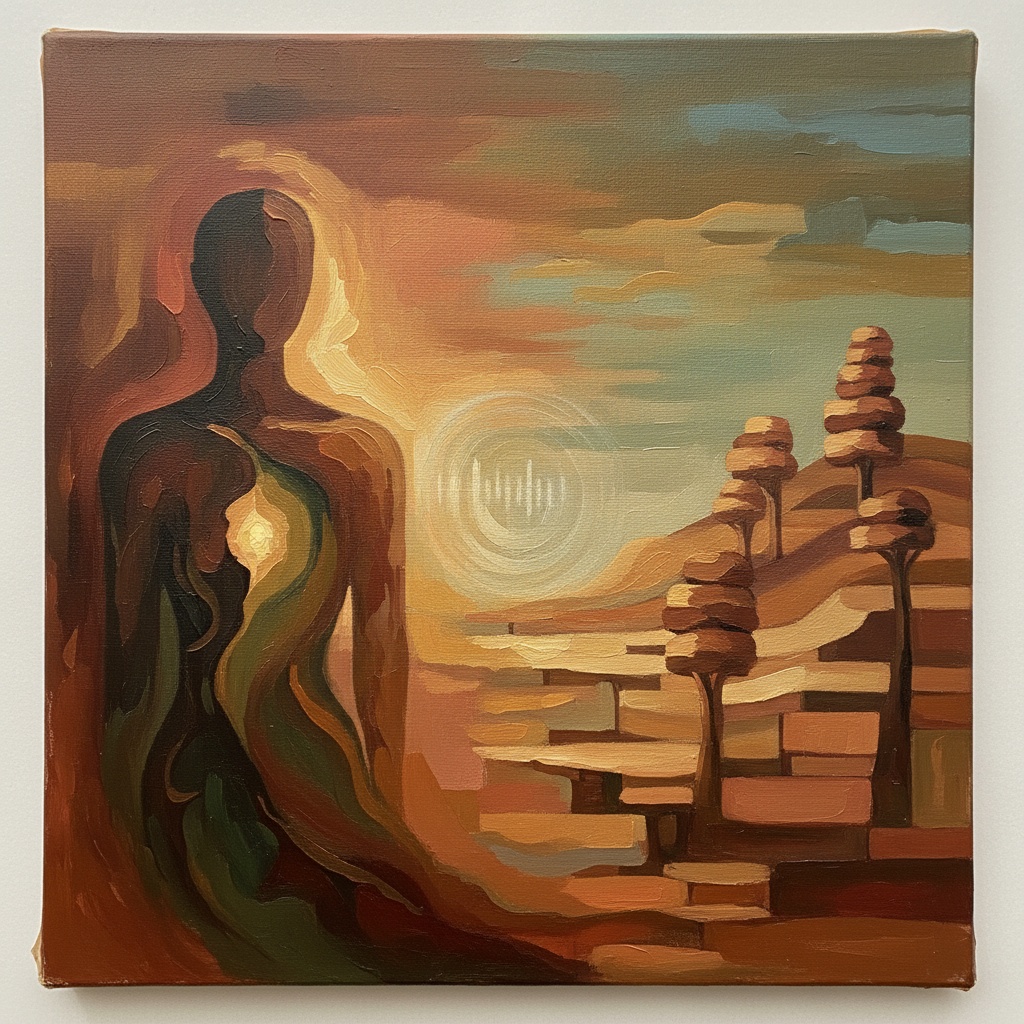
While often associated with historical styles, earth tones continue to inspire contemporary artists seeking authenticity and emotional depth. Many painters today are returning to natural pigments, embracing the laborious process of sourcing and preparing their own materials as a way to connect more deeply with their craft. This renewed interest reflects a broader cultural shift towards sustainability and a desire for art that feels grounded in nature. Artists like Melissa Dickenson explore earth-based art using liquified crushed minerals across canvas creating stunning imagery, while others experiment with layering techniques and unconventional supports to create unique textures and effects. The use of earth tones isn’t simply about replicating the colors of the natural world; it's about capturing its essence—its subtle variations, its inherent beauty, and its profound emotional resonance. At OriginalUniqueArt.com, we celebrate this enduring legacy by offering high-quality reproductions of masterpieces that showcase the timeless appeal of earth tones, as well as custom painting services allowing you to bring your own vision to life with these captivating hues. Explore our collection today and discover the transformative power of nature’s palette.