

 실제 크기로 보기
 보내기
보내기 공유하기
공유하기
 상세 보기
상세 보기 가이드 보기

 이미지 다운로드
 유사 작품 더 보기
 X-레이
X-레이 슬라이드 쇼 보기
 통계 정보
통계 정보Woman by a window beneath a wutong tree
 1923
1923 19.0 x 55.0 cm
 상세 보기
상세 보기
지클레 / 아트 프린트
빠른 제작과 다양한 마감 옵션을 선택할 수 있는 박물관 수준의 지클레이 및 캔버스 프린트. ( 수작업 채색 복제본 주문하기 디지털 이미지 판매 채널로 전환)




































작품의 원본 비율을 그대로 유지하는 프리셋 사이즈 중에서 선택해 보세요.

특정 프레임이나 공간에 맞춰 직접 치수를 입력하실 수 있습니다. 선택하신 사이즈가 원본 이미지의 비율과 일치하지 않을 경우, 작품을 크롭(자르기)하거나 이미지를 대칭 또는 단색 채우기로 확장하여 제작합니다. 제작 시작 전, 최종 확인을 위해 디지털 목업이 전송됩니다.
화면상의 미리보기는 실제 크롭이나 확장 상태를 반영하지 않으므로, 최종 구도는 오직 목업을 통해서만 정확하게 확인하실 수 있습니다.
맞춤 사이즈 제작도 가능하지만, 원본 비율을 유지하기 위해서는 사전 정의된 목록에서 치수를 선택하시는 것을 권장합니다.


 유리 옵션은 110cm 미만 크기에서만 선택 가능합니다.

Woman by a window beneath a wutong tree
지클레 / 아트 프린트
복제본 규격
-


총 결제 금액
$ 80
작가 소개
The Harmonious World of Yu Ming: Bridging Tradition and Innovation
Yu Ming, a contemporary master deeply rooted in Chinese artistic heritage, stands as a compelling figure bridging the gap between centuries-old traditions and modern sensibilities. While biographical details remain intentionally focused on his work – a testament to the artist’s preference for allowing his creations speak for themselves – Yu Ming's impact on the landscape of Asian art is undeniable. Emerging from a lineage steeped in calligraphy, painting, and sculpture, he has cultivated a unique artistic voice that resonates with both connoisseurs and newcomers alike. His pieces aren't merely reproductions of classical styles; they are vibrant re-interpretations, imbued with a personal vision and technical prowess honed over decades of dedicated practice. Yu Ming’s art is born from a profound understanding of Chinese philosophy, particularly the concepts of harmony, balance (yin and yang), and the interconnectedness of nature and humanity. This philosophical underpinning informs every brushstroke, every curve of his sculptures, creating works that are not just visually stunning but also deeply contemplative.Early Influences and Artistic Development
Yu Ming’s artistic journey began with a rigorous immersion in traditional Chinese techniques. He dedicated years to mastering the art of calligraphy, recognizing it as the foundation for all subsequent forms of expression within Chinese painting. This early training instilled in him not only technical skill but also an appreciation for the spiritual dimension inherent in the practice – the importance of *qi* (life force) and its flow through the brush. He then expanded his studies to encompass landscape painting, absorbing the styles of renowned masters like Guo Xi and Fan Kuan, whose monumental depictions of nature profoundly influenced his own approach. However, Yu Ming didn’t simply replicate these historical precedents. He began experimenting with composition, color palettes, and subject matter, seeking to infuse traditional forms with a contemporary sensibility. This exploration led him to develop a distinctive style characterized by bold brushwork, subtle gradations of ink, and a masterful use of negative space. Later in his development, Yu Ming turned his attention to sculpture, initially working with wood before embracing bronze as his primary medium. He applied the same principles of harmony and balance that guided his painting, creating sculptures that are both powerful and graceful, often depicting scholars, figures from Chinese mythology, or abstract representations of natural forms.Themes and Symbolism in Yu Ming’s Art
The recurring themes within Yu Ming's oeuvre offer a window into his philosophical worldview. Landscapes are not merely depictions of physical environments but rather metaphors for the inner landscape of the human spirit – spaces for contemplation, self-discovery, and connection with the natural world. His scholar figures, often depicted engaged in activities such as reading, writing poetry, or playing musical instruments, embody the Confucian ideals of learning, virtue, and refinement. These figures are not simply portraits but rather archetypes representing the pursuit of wisdom and enlightenment.- Landscapes: Representing inner peace and harmony with nature.
- Scholar Figures: Embodying Confucian ideals of learning and virtue.
- Calligraphy: Serving as a meditative practice and expression of *qi*.
- Mythological Subjects: Exploring ancient stories and cultural values.
Yu Ming’s Legacy and Historical Significance
Yu Ming's work has garnered international acclaim, exhibited in galleries and museums across Asia, Europe, and North America. He is celebrated not only for his technical mastery but also for his ability to breathe new life into traditional Chinese art forms. In a world increasingly dominated by Western artistic trends, Yu Ming stands as a powerful advocate for the preservation and continuation of China’s rich cultural heritage. His pieces serve as a reminder of the enduring value of ancient wisdom and the importance of finding harmony between tradition and innovation. He doesn't simply paint or sculpt; he cultivates an experience—a dialogue between past, present, and future. His influence extends beyond the realm of fine art, inspiring contemporary designers, architects, and thinkers to embrace the principles of balance, simplicity, and interconnectedness that lie at the heart of Chinese philosophy. Yu Ming’s legacy is one of artistic excellence, cultural preservation, and a profound commitment to fostering understanding and appreciation for the beauty and wisdom of Asian art. He continues to create, pushing the boundaries of his craft while remaining deeply rooted in the traditions that have shaped his vision, ensuring his place as a pivotal figure in the ongoing evolution of Chinese art.
관련 기사
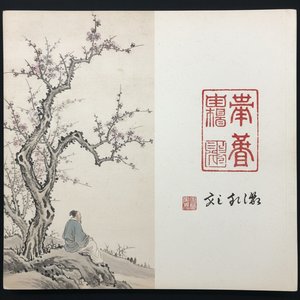
Xie Zhiliu: A Legacy of Ink Wash Painting & Modern Chinese Literati Tradition
Explore the legacy of Xie Zhiliu, a master of Chinese ink wash painting & prominent figure in modern art. Discover his techniques, influences, and contributions to literati tradition. A guide for discerning collectors.

Mastering Ink on Paper: The Timeless Art of Precision, Flow, and Calligraphic Heritage
Explore the profound mastery of ink on paper. From Japanese haiku traditions to Ming Dynasty calligraphy, discover the delicate balance of precision and flow that defines this timeless art form through an expert historical lens.

Ephemeral Expressions: Exploring the Nuances of Ink on Paper Through History & Contemporary Art
Explore the captivating world of ink wash painting – from its ancient origins to contemporary masters. Discover techniques, symbolism & conservation insights with OriginalUniqueArt.com.
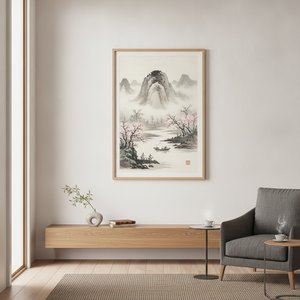
The Beauty of Ink Wash: Discover Serene & Soulful Art for Your Home
Discover the tranquil beauty of ink wash painting. Explore how Sumi-e and monochrome landscapes bring Zen-inspired serenity and soulful elegance to your home decor through expert curation and timeless East Asian aesthetics.
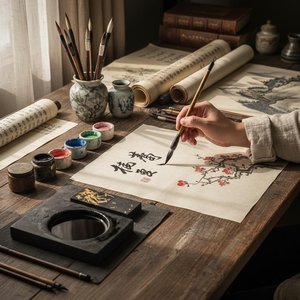
The Alchemy of Ink: Mastering the Timeless Beauty and Art History of Paper and Brush
Embark on a sophisticated exploration of ink wash painting and Sumi-e. Uncover the profound historical lineages, Zen philosophies, and technical mastery behind this timeless medium in our authoritative guide for fine art enthusiasts.