
 미리보기
미리보기
 공유하기
공유하기 공유하기
공유하기
 상세 정보
상세 정보

 다운로드
다운로드
 유사 작품
유사 작품 X-레이
X-레이 슬라이드 쇼
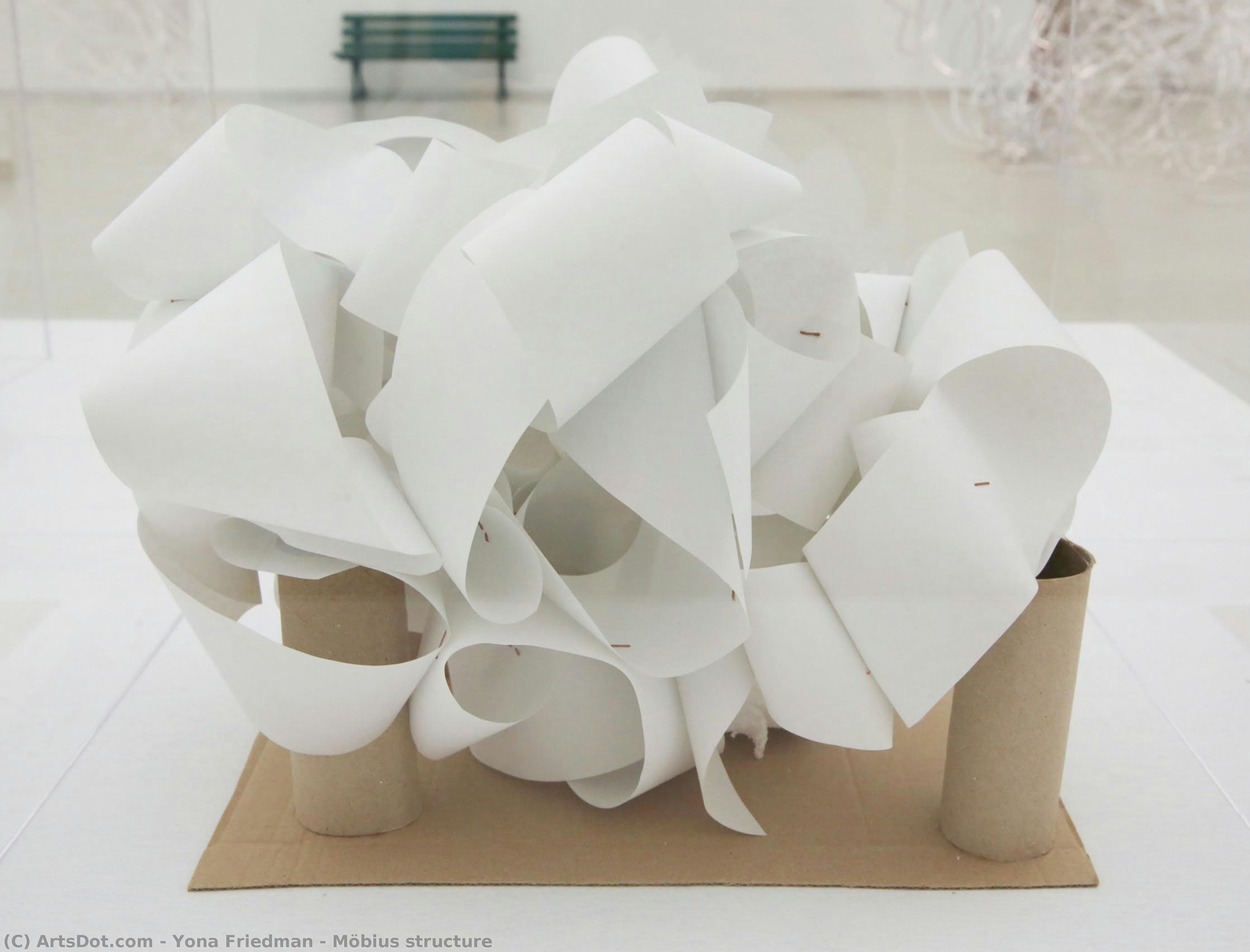
Möbius structure
 2000
2000 32.0 x 23.0 cm
 Power Station of Art
 더 보기
더 보기
온라인 미리보기보다 훨씬 뛰어난 품질의 고해상도 디지털 이미지를 구매해 보세요.
각 파일은 사내 전문가가 고급 도구와 숙련된 수동 리터칭 기술을 사용하여 세심하게 준비합니다. 우리는 모든 이미지가 탁월한 선명도, 정확한 색상 재현력, 그리고 미세한 디테일까지 완벽하게 갖추도록 보장합니다.
최종 파일은 전문적인 편집 및 인쇄 환경에서 즉시 사용할 수 있도록 최적화되어 72시간 이내에 이메일로 발송됩니다. 이는 세계적인 디자인 스튜디오, 출판사 및 갤러리가 신뢰하는 것과 동일한 품질입니다.
디지털 이미지
개인 소장 및 전시, 인쇄, 창작 프로젝트를 위한 고해상도 파일을 다운로드하세요. ( 프린트 구매 손으로 그린 그림 구매)
모든 디지털 이미지 주문에 포함된 혜택
전문적인 디지털 이미지 전송 보장
OriginalUniqueArt.com를 선택하시면 단순히 이미지를 받는 것을 넘어, 정밀한 보정 과정을 거친 전문적인 디지털 예술 작품을 만나보실 수 있습니다. 모든 작품에는 만족 보장 서비스가 함께 제공되며, 주문 시 다음과 같은 사항들이 자동으로 포함됩니다:

빠른 이메일 전송
주문 후 72시간 이내에 고해상도 디지털 이미지 파일이 이메일로 발송되며, 즉시 사용하실 수 있습니다.

AI 기술로 향상된 디지털 파일
귀하의 작품은 고급 AI 도구와 수동 편집 과정을 거쳐 전문적으로 최적화되며, 이를 통해 디테일과 선명도, 색상의 정확도를 극대화합니다.

평생 무료 재전송 서비스
파일을 실수로 삭제하거나 분실하셨나요? 걱정 마세요. 언제든 무료로 다시 보내드립니다.

추가 수입 비용 없음 - 언제나
관세나 부가세, 배송비 부담 없이 작품을 즉시 감상하세요 - 디지털 다운로드는 언제나 면세 혜택이 적용됩니다.

정확한 색상 보장
전문적인 도구와 색상 관리 시스템을 통해 디지털 이미지가 원본의 색상을 최대한 정확하게 구현하도록 보장합니다.

60일 만족 보장제
구매하신 디지털 이미지에 만족하지 못하실 경우, 60일 이내에 수정 또는 100% 환불을 진행해 드립니다 - 어떠한 문의도 필요 없습니다.

100% 환불 보장
만족하지 못하셨나요? 디지털 파일을 수령하신 후 60일 이내라면 별도의 이유를 밝힐 필요 없이 전액 환불해 드립니다.

대량 주문 할인
이미지 3매 구매 시 10% 할인 - 5매 구매 시 15% 할인 - 10매 이상 구매 시 20% 할인. 크리에이티브 프로젝트, 갤러리, 에이전시에 매우 유용합니다.
수집품 상세 설명
작가 소개
Yona Friedman (1923–2020): Architect of Mobile Utopia
Yona Friedman (5 June 1923 – 20 February 2020) was a Hungarian-born French architect, urban planner and designer. He was influential in the late 1950s and early 1960s, best known for his theory of ‘mobile architecture,’ which envisioned a radical reimagining of cities as dynamic systems capable of adapting to evolving needs and conditions. Friedman’s pioneering approach challenged conventional architectural dogma and cemented his place as a visionary figure in the history of modernism.Early Life and Education
Born in Budapest, Hungary, into an ethnic Jewish family grappling with antisemitic legislation during the period of Nazi occupation, Friedman faced considerable obstacles pursuing higher education. Despite these difficulties, he persevered, securing admission to Technische Universität Wien (TU Wien) where he studied architecture—a formative experience that instilled in him a lifelong fascination with spatial exploration and experimentation. Following his graduation in 1948, Friedman embarked on a journey of artistic discovery, relocating to Israel in 1957 at the invitation of Jean Prouvé, cementing his connection to the burgeoning Bauhaus movement’s spirit of innovation.The Genesis of Mobile Architecture
Friedman's intellectual breakthrough arrived in 1956 with the publication of *Mobile Architecture,* a manifesto that fundamentally altered perceptions of urban design and architectural practice. Rejecting static structures as inherently inflexible and unresponsive, Friedman argued for a paradigm shift toward “mobile architecture”—a concept he elaborated upon through intricate drawings and diagrams—where buildings could expand outwards to accommodate growth without sacrificing their core identity. This audacious proposition drew inspiration from the principles of Gestalt psychology and explored connections between mathematics, geometry, and spatial perception. He envisioned cities as interconnected networks of structures that would adapt to changing populations and circumstances, prioritizing human comfort and fostering a sense of collective dynamism.Collaborations with Archigram and Superstudio
Friedman’s theoretical framework quickly gained traction within the influential Team 10 architectural group—a collective dedicated to challenging established norms and advocating for humanist values in design. He collaborated closely with fellow architects Richard Rogers, Ernő Goldfinger, Dennis Lasdun, and Alison Macintosh on projects that embodied the spirit of Team 10's rebellious idealism. Notably, Friedman’s partnership with Archigram produced groundbreaking experimental buildings—such as Habitat ’67—that pushed the boundaries of structural engineering and architectural aesthetics. Similarly, his collaboration with Superstudio resulted in iconic artworks—like *Container Structures II*—which utilized paper cutouts to generate mesmerizing visual patterns—a precursor to future urban landscapes and a testament to Friedman’s ability to transform conceptual ideas into tangible realities.Recognition and Legacy
Throughout his prolific career, Friedman received numerous accolades for his contributions to architecture and urban planning, including the Austrian Frederick Kiesler Prize for Architecture and the Arts in 2018—a prestigious honor recognizing his enduring influence on architectural thought. His drawings were exhibited internationally, captivating audiences with their meticulous detail and evocative exploration of spatial relationships. Friedman’s work continues to inspire architects and artists alike, serving as a reminder that innovation stems from questioning assumptions and embracing imaginative possibilities. He passed away peacefully in Paris in February 2020 at the age of 96, leaving behind an indelible mark on the history of modern architecture—a legacy characterized by unwavering optimism and a steadfast belief in the transformative power of design to shape human experience.
yona friedman
1923 - 2020 , Hungary
주요 정보
- Artistic Movement Or Style: Mobile Architecture
- Artists Or Movements Influenced By This Artist: ['Spatial City']
- Artists Who Influenced This Artist:
- Jean Prouvé
- Archigram
- Superstudio
- Date Of Birth: 1923
- Date Of Death: 2020
- Full Name: Yona Friedman
- Nationality: Hungarian-French
- Notable Artworks:
- Container Structures II
- Möbius structure
- Place Of Birth: Budapest, Hungary

