
 미리보기
미리보기
 공유하기
공유하기 공유하기
공유하기
 상세 정보
상세 정보 가이드 보기

 다운로드
다운로드
 유사 작품 더 보기
 X-레이
X-레이 슬라이드 쇼 보기
 질의응답
질의응답 통계 정보
통계 정보Chickens (En Mangeant du Maiz)


 더 보기
더 보기
이 페이지에 표시된 작품은 저작권법의 보호를 받으며, 이에 따라 동일한 복제품을 제작하거나 판매하는 것은 법으로 금지되어 있습니다. 이러한 권리 보호는 다음과 같은 국제 협약에 따라 시행됩니다. 베른 협약 또한 다음에서 명시하는 법률을 포함한 국내법에 의해 보호됩니다. 미국 저작권법 제17조.
이 방식은 저작권 보호를 받는 예술 작품을 복제하거나 그대로 재현하는 것이 아니기에 저작권 규정을 완벽히 준수합니다. 대신, 이는 창의적인 재해석의 과정을 거칩니다. 즉, 원작에서 영감을 받되 원작과 동일하지 않은 새로운 회화 작품을 의미합니다.
지클레 / 아트 프린트
빠른 제작과 다양한 마감 옵션을 제공하는 박물관 수준의 지클레이 및 캔버스 프린트. ( 수작업 채색 복제본 주문하기 디지털 이미지로 전환)




P118B ₩10

P118H ₩10

P118W ₩10

P438Z ₩10

P508JH ₩12

P508YH ₩12

P805H ₩10

P805Z ₩10

P919BZ ₩10

P919G ₩10

P919XJ ₩10

P959ZH ₩10

P968JZ ₩12

W106C ₩8

W218G ₩10

W218JH ₩8

W218Y ₩10

W307PJ ₩10

W316G ₩10

W316PJ ₩8

W316Y ₩10

W398PJ ₩8

W4111J ₩10

W500HY ₩15

W500JH ₩15

W692G ₩12

W849H ₩8

W940BG ₩15

W953PJ ₩8




작품의 원본 비율을 그대로 유지하는 프리셋 사이즈 중에서 선택해 보세요.

액자나 벽면 크기에 맞춰 필요한 가로와 세로 길이를 입력해 주세요. 프린트는 원본 이미지보다 크게 제작할 수 없으며 오직 자르는 것만 가능하므로, 비율이 다른 사이즈를 선택할 경우 이미지의 일부가 잘려 나갈 수 있습니다. 인쇄 작업에 들어가기 전, 최종 확인을 위해 디지털 목업을 보내드립니다. 이 페이지에 표시된 이미지는 실제 잘리는 영역을 나타내지 않으며, 오직 목업을 통해서만 정확한 확인이 가능합니다.


 유리 옵션은 110cm 미만 크기에서만 선택 가능합니다.

Chickens (En Mangeant du Maiz)
지클레 / 아트 프린트
복제본 크기
-


최종 결제 금액
₩ 108463
A Vibrant Symphony of Haitian Life
In the heart of Wilson Bigaud’s 1957 masterpiece, Chickens (En Mangeant du Maiz), we are invited into a moment of pure, unadulterated pastoral joy. This painting serves as a breathtaking window into the rhythmic simplicity of rural life, capturing a group of five chickens gathered around a bountiful pile of corn. The composition is anchored by a magnificent central figure, a large bird that commands the viewer's attention with its presence, while smaller companions flutter at its sides, creating a sense of natural movement and communal harmony. Through Bigaud’s lens, a mundane agricultural task is transformed into a vibrant spectacle of color and life, where every grain of corn and every feather seems to pulse with the energy of the Caribbean landscape.
The artistry of Bigaud is deeply rooted in his unique ability to blend sculptural depth with the fluid expressionism of Haitian painting. Having begun his journey as a sculptor, Bigaud brings an extraordinary sense of volume and materiality to this canvas. The chickens are not merely flat shapes; they possess a tactile quality that suggests weight and substance, as if one could reach out and feel the texture of their plumage. This technique, combined with a palette of rich, saturated hues, allows the foreground to pop against the soft, receding majesty of the distant mountains. The backdrop provides more than just depth; it offers a sense of permanence and peace, framing the lively feeding frenzy within the eternal embrace of the Haitian terrain.
The Soul of Caribbean Expressionism
To behold this work is to experience the essence of Caribbean Expressionism, a movement where color serves as the primary language of emotion. Bigaud utilizes light and pigment to evoke the warmth of the tropical sun, making the scene feel as though it is bathed in a perpetual afternoon glow. There is a profound symbolism found in the act of feeding; it represents abundance, fertility, and the interconnectedness of all living things within the natural order. For the collector or interior designer, this piece offers much more than mere decoration. It brings an infusion of vitality and warmth into any space, acting as a focal point that sparks conversation and invites contemplation.
For those seeking to adorn their homes with high-quality reproductions, Chickens (En Mangeant du Maiz) stands as an exemplary choice for creating an atmosphere of serenity and spirited charm. The painting’s ability to balance complex textures with a clear, engaging narrative makes it a versatile treasure for modern interiors. Whether placed in a sunlit gallery or a cozy living space, the artwork radiates a timeless quality, reminding us of the beauty found in life's simplest, most nourishing moments. It is an invitation to slow down, to observe the intricate dance of nature, and to celebrate the enduring spirit of Haitian creativity.
질의응답
현재 Wilson Biguad의 "Chickens (En Mangeant du Maiz)"은(는) 어디에서 관람할 수 있나요?
Chickens (En Mangeant du Maiz)의 원작은 Haitian Art Society, Washington, D.C., United States of America에서 만나보실 수 있습니다.
Wilson Biguad의 "Chickens (En Mangeant du Maiz)"의 저작권으로 복제가 가능한가요?
"Chickens (En Mangeant du Maiz)"의 원작은 Haitian Art Society에 소장되어 있으며, 이 작품은 저작권 보호 대상입니다 상태입니다.
Wilson Biguad의 "Chickens (En Mangeant du Maiz)"의 전체적인 분위기는 밝은 편인가요, 아니면 어두운 편인가요?
Wilson Biguad의 "Chickens (En Mangeant du Maiz)"의 느껴지는 밝기는 brilliant입니다. 이는 배치할 공간의 조명과 자연스럽게 어우러집니다.
작가 정보
A Life Shaped by Clay and Canvas
Wilson Bigaud began his life in Port-au-Prince, Haiti, finding his first expression through the tactile world of sculpture. As a child, he worked with clay, molding figures that captured the weight and presence of the earth. This early focus on three-dimensional form gave him a unique way of seeing volume and light, a skill that would later define his paintings. His path changed when DeWitt Peters encouraged him to move away from carving and toward the two-dimensional surface of the canvas.
The legendary Hector Hyppolite played a significant role in bringing Bigaud into the Centre d'Art in 1946. Through this connection, he found himself part of a community where art was deeply tied to the rhythms of Haitian life. His work often drew from his own memories of the city, pulling from the sights and sounds of social gambling, Vodou ceremonies, and local melodramas. He did not merely paint scenes; he recorded the atmosphere of his surroundings.
The Weight of Color and Light
Bigaud developed a style that relied on thick layers of paint, known as impasto, to create surfaces you could almost feel. He had a particular way of using light and shadow to give his figures weight. While he was influenced by the techniques of artists like Edvard Munch and Oskar Kokoschka, his subject matter remained firmly rooted in the streets and traditions of Haiti. His palette often featured a specific, strange yellow light that bathed his scenes, from cemetery gatherings to village life.
His paintings often explored the tension between joy and hardship. He captured the energy of Carnival and the solemnity of religious life with equal intensity. Some of his most notable subjects included:
- The rituals of Vodou ceremonies
- Scenes of poverty and social gambling
- The movement of the rhythms of drums and rara
- Biblical narratives reimagined through a local lens
Recognition and Personal Struggles
In 1950, at the age of nineteen, Bigaud achieved international notice when his painting “Paradise” won second place at an International Exhibit in Washington, D.C. That same year, he worked on one of his most significant large-scale projects, a mural for the Holy Trinity Cathedral in Port-au-Prince depicting the wedding at Cana. This work allowed him to use scale to tell stories of faith and community.
However, the pressure of his success and the political shifts in Haiti took a heavy toll on his well-being. Between 1957 and 1961, Bigaud faced periods of acute depression and entered a mental institution. During these difficult years, he eventually retreated to Petit-Goave to find peace. When he returned to painting in the mid-sixties, some observers noted that the fire of his earlier work had changed, reflecting more of the fear and defeat he had experienced. Yet, even in these later years, works like “Village Wedding” showed a persistent spirit and an ability to reclaim the energy of his youth.

Wilson Biguad
1931 - 2010 , Haiti
작가 정보 요약
- Artistic Movement Or Style: Caribbean Expressionism
- Artists Or Movements Influenced By This Artist: ['Contemporary Haitian artists']
- Artists Who Influenced This Artist:
- Hector Hyppolite
- Edvard Munch
- Oskar Kokoschka
- Full Name: Wilson Biguad
- Nationality: Haitian
- Notable Artworks:
- Paradise
- The Wedding at Cana
- Untitled (Guédés at the Cemetary)
- Place Of Birth: Port-au-Prince, Haiti
- Date Of Birth: 1931
- Date Of Death: 2010
관련 콘텐츠

German Expressionism's 10 Defining Masterpieces | Art for Your Home
Explore 10 defining German Expressionism masterpieces – from Munch's 'The Scream' to Kandinsky’s abstracts. Discover the artists, stories & bold colors behind this powerful art movement. Find museum-quality reproductions at OriginalUniqueArt.com.

추상표현주의를 정의한 10대 걸작: 예술과 인테리어의 새로운 영감
추상표현주의의 심장을 뛰게 한 10대 걸작을 만나보세요. 폴록, 로스코 등 거장의 작품 비하인드 스토리와 예술적 영감을 OriginalUniqueArt에서! 지금 바로 미술품 컬렉션을 탐험하고, 당신의 공간에 특별한 예술적 감성을 더하세요. OriginalUniqueArt.com
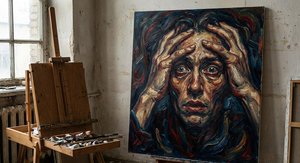
Figurative Expressionism: Emotional Intensity & Subjective Reality in 20th-Century Art
Explore the powerful world of Figurative Expressionism with OriginalUniqueArt. Discover key artists like Kirchner & Beckmann, understand its emotional depth, and learn how to collect this influential 20th-century art movement.

Unmasking Emotion: A Journey Through the Raw Power and Visceral Beauty of German Expressionism
Explore the raw emotional power of German Expressionism. From Kirchner to Die Brücke, discover how artists used distortion and vibrant color to unmask the human psyche. A deep dive into art history for the discerning collector and enthusiast.
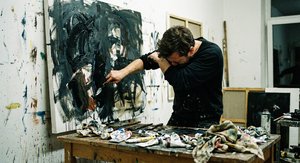
The Raw Emotion of Expressionism: A Deep Dive into its History, Characteristics & Enduring Influence
Explore the raw emotion of Expressionism with OriginalUniqueArt. Discover its history, key artists like Kirchner & Munch, and lasting influence on modern art. Expert insights for collectors & enthusiasts.