

 실제 크기로 보기
 보내기
보내기 공유하기
공유하기
 상세 보기
상세 보기 가이드 보기

 이미지 다운로드
 유사 작품 더 보기
 X-레이
X-레이 슬라이드 쇼 보기
 통계 정보
통계 정보The Wounded Hound


 상세 보기
상세 보기
핸드메이드 유화 복제화
작가가 직접 캔버스에 손으로 그린 유화 작품으로, 원하는 크기와 액자로 맞춤 제작해 드립니다. ( 프린트 판매로 전환 디지털 이미지 판매 채널로 전환)




P118B ₩10

P118H ₩10

P118W ₩10

P438Z ₩10

P508JH ₩12

P508YH ₩12

P805H ₩10

P805Z ₩10

P919BZ ₩10

P919G ₩10

P919XJ ₩10

P959ZH ₩10

P968JZ ₩12

W106C ₩8

W218G ₩10

W218JH ₩8

W218Y ₩10

W307PJ ₩10

W316G ₩10

W316PJ ₩8

W316Y ₩10

W398PJ ₩8

W4111J ₩10

W500HY ₩15

W500JH ₩15

W692G ₩12

W849H ₩8

W940BG ₩15

W953PJ ₩8




작품의 원본 비율을 그대로 유지하는 프리셋 사이즈 중에서 선택해 보세요.

액자나 벽면 크기에 맞춰 필요한 가로와 세로 길이를 입력해 주세요. 본 작품은 수작업으로 제작되므로, 요청하신 비율에 따라 작가가 그림의 가장자리를 조금 더 넓게 그리거나 일부를 조정하여 작업할 수 있습니다. 작업 시작 전, 최종 확인을 위해 디지털 목업 이미지를 보내드립니다. 이 페이지에 표시된 이미지는 실제 결과물과 다를 수 있으며, 오직 목업 이미지만이 정확한 결과물을 보여줍니다.
주문 완료 후 OriginalUniqueArt.com 팀에서 상세 안내를 위해 고객님께 이메일을 보내드리며, 미리보기 시안을 함께 제공해 드립니다.


 유리 옵션은 110cm 미만 크기에서만 선택 가능합니다.

The Wounded Hound
재현 매체
복제본 규격
-


총 결제 금액
₩ 410582
William Tylee Ranney: A Pioneer of American Genre
William Tylee Ranney (1813-1857) stands as an unexpectedly significant figure in the annals of 19th-century American art. He wasn’t nurtured by the gilded halls of European academies or propelled forward by established artistic lineages; rather, his artistic journey unfolded organically within the burgeoning spirit of a nation aggressively expanding westward—a landscape profoundly shaped by frontier encounters and evolving perceptions of the American experience. His formative years, spent relocating to Fayetteville, North Carolina, at age thirteen to reside with an uncle, witnessed him apprenticed as a tinsmith – a practical trade that instilled in Ranney a grounded sensibility and meticulous attention to detail, qualities which would subsequently become hallmarks of his distinctive artistic style. This period of craftsmanship honed observational skills and fostered a deep understanding of textures and forms inherent in everyday life—a foundation upon which he built his celebrated oeuvre. The irresistible pull of artistry ultimately superseded pragmatic considerations, leading him to Brooklyn in 183- Early Life & Apprenticeship: Ranney’s formative years instilled in him a keen eye for observation and craftsmanship honed through an apprenticeship as a tinsmith. This grounding experience profoundly influenced his artistic sensibilities.
- Brooklyn Residence: Moving to Brooklyn solidified Ranney's commitment to art, establishing him within a vibrant artistic milieu characterized by experimentation and innovation.
The Wounded Hound: A Portrait of Resilience “The Wounded Hound” exemplifies Ranney’s masterful command of American genre painting—a movement that sought to depict scenes from daily life with unflinching realism, capturing the essence of the era's social and psychological landscape. Executed in 1850, this oil on canvas portrays a man and woman seated upon a horse, accompanied by several dogs – notably one exhibiting visible signs of injury or demise. The composition is deliberately austere, prioritizing clarity of form and tonal harmony over elaborate ornamentation. Ranney’s technique—characterized by smooth brushstrokes and subtle gradations of color—creates an atmosphere of contemplative solemnity, reflecting the profound impact of wartime suffering on the human spirit.
Symbolism & Narrative Depth Beyond its surface depiction, “The Wounded Hound” resonates with symbolic significance rooted in the broader context of mid-century American culture. The horse represents strength and nobility—a cornerstone of the frontier ethos—while the dogs embody loyalty and companionship. However, the presence of a deceased canine serves as a poignant reminder of mortality and vulnerability—themes prevalent throughout Ranney’s artistic explorations. The inclusion of birds adds an element of serenity to the scene, juxtaposed against the palpable sorrow conveyed by the central figures.
Historical Context & Influence Ranney's work emerged during a period of intense national introspection following the Civil War—a time marked by profound social upheaval and a yearning for artistic expression that mirrored the anxieties and aspirations of the era. His stylistic innovations—particularly his embrace of tonal realism—anticipated developments in Impressionism, establishing him as a precursor to this transformative movement. “The Wounded Hound” stands as testament to Ranney’s ability to distill complex emotions into visual form—a feat achieved through meticulous observation and unwavering dedication to artistic integrity.
Virginia Museum of Fine Arts Acquisition “The Wounded Hound” resides within the Virginia Museum of Fine Arts collection, where it continues to inspire viewers with its evocative portrayal of human resilience amidst adversity. Its accession number is 2002.538 and was created in 1850. The painting’s provenance underscores its enduring artistic merit—a legacy solidified by scholarly research and meticulous documentation.
질의응답
"The Wounded Hound"의 다운로드가 가능한가요?
윌리엄 타일리 레니의 "The Wounded Hound"은(는) 디지털 이미지로 고해상도 디지털 이미지 다운로드할 수 있으며, 작품의 다운로드 페이지에서 다운로드 가능합니다.
윌리엄 타일리 레니의 "The Wounded Hound"은(는) 퍼블릭 도메인인가요?
윌리엄 타일리 레니의 "The Wounded Hound"의 저작권 정보: 해당 작품은 퍼블릭 도메인 - 저작권 보호 기간이 만료되었습니다 상태입니다. 이는 이미지 복제 가능 여부를 결정하는 기준이 됩니다.
"The Wounded Hound"은(는) 작가의 국가에 소장되어 있나요?
네, 해당 작품은 작가의 본국에 보관되어 있습니다.. "The Wounded Hound"은(는) 미국에 소장되어 있는 반면, 윌리엄 타일리 레니의 출생지는 미국입니다.
작가 소개
미국 풍속화의 선구자: 윌리엄 타일리 랜니의 삶과 예술
1813년 5월 9일 코네티컷주 미들타운에서 태어난 윌리엄 타일리 랜니는 19세기 미국 미술사에서 중추적이면서도 종종 과소평가된 위치를 차지하고 있습니다. 그는 유럽의 아카데미나 기성 예술계의 산물이 아니었습니다. 대신 그의 여정은 서부로 급격히 확장되던 국가의 태동하는 정신 속에서 자신을 발견하고 몰입해가는 과정이었습니다. 13세 때 삼촌과 살기 위해 노스캐롤린주 페이엣빌로 이주한 어린 시절, 그는 양철공 밑에서 도제로 일했습니다. 이 실용적인 기술은 아마도 그의 관찰력과 세밀한 주의력을 연마했을 것이며, 이는 훗날 그의 예술적 스타일을 정의하는 핵심적인 자질이 되었습니다. 비록 회화의 세계와는 거리가 멀어 보이는 이 도제 시절은 랜니에게 현실에 뿌리를 둔 감수성과 일상의 질감 및 형태를 포착하는 예리한 눈을 심어주었습니다. 결국 예술에 대한 열망은 그를 이끌었고, 1833년 그는 브루클린으로 향했습니다. 비록 독학에 가까웠으나, 타고난 재능과 끊임없는 헌신을 바탕으로 그는 자신의 열정을 쫓기 시작했습니다.텍사스의 들판에서 캔버스로: 독창적인 예술적 비전의 형성
랜니의 인생에서 결정적인 장은 1836년 알라모 요새의 비극적인 함락 이후 예상치 못하게 텍사스군에 입대하면서 펼쳐졌습니다. 이는 단순한 애국심의 발로가 아니었습니다. 코네티컷과 노스캐롤린의 정적인 풍경과는 전혀 다른 세계로의 몰입이었습니다. 그는 9개월 동안 샘 휴스턴 장군 휘하에서 복무하며 개척지 삶의 가공되지 않은 현실을 경험했고, 심지어 산 자신토 전투 이후 산타 안나를 감시했다는 기록도 전해집니다. 이러한 경험은 단순한 전기적 사실을 넘어 그의 예술적 비전의 근간이 되었습니다. 1837년 브루클린으로 돌아온 랜니는 전쟁이나 영웅에 관한 거창한 역사적 서사를 그리는 대신, 그 공간을 점유했던 이들, 즉 미국 개척지에서 새로운 삶을 일구어 나가던 사냥꾼, 모피 사냥꾼, 개척자, 그리고 평범한 개인들의 삶에 집중했습니다. 1838년 내셔널 아카데으로 오브 디자인(National Academy of Design)에서 선보인 “A Courting Scene”의 초기 성공은 유망한 재능의 등장을 알렸지만, 그를 진정으로 차별화시킨 것은 텍사스에서의 강렬한 경험을 설득력 있는 시각적 이야기로 번역해내는 능력이었습니다. 그는 단순히 서부를 묘사하는 것에 그치지 않고, 당시에는 보기 드문 진정성을 통해 그곳의 분위기와 도전, 그리고 내재된 드라마를 전달했습니다.풍속화와 스포츠 장면의 거장: 세밀하게 구현된 세계
랜니의 예술적 스타일은 놀라운 사실주의와 세밀한 묘사가 특징입니다. 그는 이상화된 표현이나 낭만적인 환상에 매달리지 않았습니다. 대신 삶의 복잡성과 미묘함을 있는 그대로 포착하고자 했습니다. 그의 작품 속 인물들은 조각 같은 견고함으로 그려지며, 그들의 의복과 장비는 철저한 조사를 바탕으로 정교하게 묘사되었습니다. 이러한 헌신은 풍경 자체로도 이어져, 배경은 단순한 무대가 아닌 서사의 필수적인 구성 요소가 되었습니다. 여러 버전이 존재하는 그의 가장 유명한 작품 “On the Wing”은 이러한 접근 방식을 잘 보여줍니다. 이 그림은 사냥의 찰나의 성공을 마치 사진과 같은 명료함으로 포착하며, 빛과 질감, 구도에 대한 랜니의 숙련된 통제력을 과시합니다. 마찬가지로 "Prairie Burial"이나 "Scouting Party"와 같은 작품들은 고요한 드라마와 심리적 깊이를 담고 있어, 미지의 세계로 뛰어든 이들이 겪어야 했던 고난과 회복력을 드러냅니다. 서부 장면을 넘어 랜니는 오리 사냥과 승마를 다룬 스포츠 예술에서도 탁월함을 보였으며, 미국 혁명기 일상을 다룬 역사적 풍속화에서도 두각을 나타냈습니다.유산과 의의: 남북 전쟁 전 미국을 대변하는 목소리
1850년대 초에 이르러 랜니는 내셔널 아카데미 오브 디자인과 아메리칸 아트 유니온(American Art Union) 전시회에 정기적으로 참여하며 미국 미술계의 선도적인 인물로 자리매김했습니다. 1853년 뉴저지주 웨스트 호보컨으로 이주한 것은 맨해튼의 스카이라인이 내려다보이는 작업실과 그의 영감의 원천이 된 자연 풍경에 접근할 수 있는 기회를 동시에 제공했습니다. 그는 뉴저지에 진정한 의미로 자리를 잡은 첫 번째 주요 풍속화가로 평가받았으며, 그의 영향력은 주 경계를 넘어 멀리 퍼져나갔습니다. 비극적이게도 랜니의 경력은 질병으로 인해 짧게 끊기고 말았습니다. 그는 1857년 11월 18일, 아마도 결핵으로 인해 44세라는 젊은 나이에 세상을 떠났습니다. 그의 삶은 상대적으로 짧았지만, 미국 미술에 남긴 충격은 부정할 수 없습니다. 그는 미국 서부의 묘사를 대중화하는 데 기여했으며, 거대한 역사적 사건이나 귀족적인 초상화 대신 평범한 사람들의 삶에 초점을 맞춘 풍속화의 발전에 크게 이바지했습니다. 동시대인들은 그의 중요성을 인정했습니다. 한 관찰자는 “미국 미술 컬렉션이 존재하는 곳이라면 어디든 랜니의 작품 하나쯤은 반드시 있어야 한다”라고 언급하기도 했습니다. 오늘식으로 볼 때, 윌리엄 타일리 랜니는 미국 초기 풍경화 및 풍속화 전통과 남북 전쟁 이후 등장할 더욱 복잡한 예술 운동 사이를 잇는 핵심적인 연결 고리로 서 있습니다. 그의 작품은 19세기 미국에서 펼쳐진 탐험 정신, 회복력, 그리고 일상의 영원한 아름다움을 증언하는 강력한 유산으로 남아 있습니다.주요 작품
- "On the Wing"
- "Prairie Burial"
- "Scouting Party"
- "Hunting Wild Horses"
- "Trapper's Last Shot"
- "The Match Boy"
- "Old Oaken Bucket"
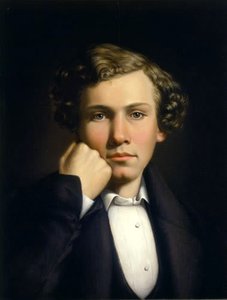
윌리엄 타일리 레니
1813 - 1857 , 미국
작가 정보 요약
- Artistic Movement Or Style: 장르 회화, 낭만주의
- Artists Or Movements Influenced By This Artist: 미국 장르 화가들
- Date Of Birth: 1813년 5월 9일
- Date Of Death: 1857년 11월 18일
- Full Name: 윌리엄 타일리 레니
- Nationality: 미국인
- Notable Artworks:
- 날아오르는 순간 (On the Wing)
- 프레리 매장 (Prairie Burial)
- 정찰대 (Scouting Party)
- 회수 (The Retrieve)
- 피디 강을 건너는 마리온 (Marion Crossing the Peedee)
- Place Of Birth: 미국 미들타운
관련 기사
William Aiken Walker: A Southern Luminist's Vision of River Life & Antebellum Society
Explore the evocative paintings of William Aiken Walker, a master of Southern Luminism. Discover his poignant depictions of post-Civil War life, African American culture & antebellum landscapes. Learn about this important artist's legacy.

William Owen: A Poetic Vision of War & Landscape in British Modernism
Explore the poignant war poetry of Wilfred Owen, a key figure in British Modernism. Discover his innovative style, themes of loss & camaraderie, and lasting impact on 20th-century literature. Analysis & historical context included.

Frederick William Jackson: Capturing the American West Through Luminist Vision & Narrative Detail
Explore the captivating works of Frederick William Jackson, a pioneer of Western realism & Luminist painting. Discover his atmospheric landscapes, depictions of Native American life, and lasting legacy. Learn more at OriginalUniqueArt.

Grant Wood & American Regionalism: Identity, Myth & the Rural Landscape
Explore the world of Grant Wood & American Regionalism with OriginalUniqueArt. Discover the symbolism behind 'American Gothic', recurring themes, and the movement's lasting impact on art history. High-quality reproductions available.
William Henry Hope: Illuminating American Genre Painting Through Luminosity & Narrative
Explore the captivating landscapes & genre scenes of William Henry Hope, a pivotal Canadian artist. Discover his mastery of light, realism, and narrative in this insightful guide. Learn about collecting his work & its place in art history.